






In a significant step to expand the cooperative movement into the services economy, the Centre is working on a new national-level cooperative society for skilled workers such as carpenters, plumbers, electricians and technicians.
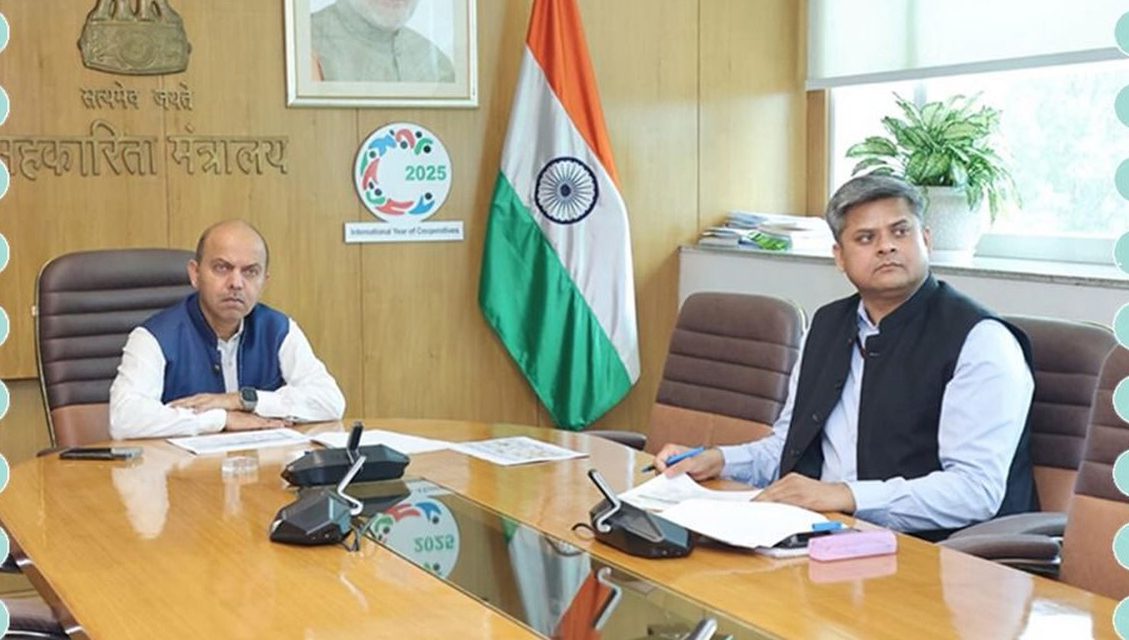
The proposal was reviewed at a high-level meeting chaired by Cooperation Secretary Ashish Kumar Bhutani, where senior officials deliberated on the framework, scale and operational blueprint of the initiative.
The proposed cooperative aims to bring a largely fragmented and informal workforce into an organized structure. By doing so, it seeks to enhance income stability, improve service standards and create a collective platform for skilled professionals who often operate in isolation.
Officials discussed mechanisms for integrating workers into a cooperative ecosystem that would enable access to institutional finance, insurance coverage and digital platforms for service delivery.
The initiative is aligned with the broader vision of “Sahkar Se Samriddhi,” championed by Union Home and Cooperation Minister Amit Shah. Under this approach, cooperatives are being positioned as engines of inclusive growth, capable of generating livelihoods while strengthening grassroots economic participation.
The proposed service-sector cooperative is expected to create sustainable employment opportunities and improve bargaining power for workers in the gig and informal economy.
The move also reflects the Ministry’s strategy of expanding cooperatives beyond traditional domains like agriculture and credit into emerging sectors. By formalizing skilled service providers under a cooperative model, the government hopes to build trust, standardize pricing and ensure quality assurance for consumers while safeguarding worker interests.
This initiative builds on the success of newly established national cooperatives such as the National Cooperative Exports Limited (NCEL), which has opened global markets for Indian produce by aggregating cooperative exports and strengthening supply chains. NCEL has helped small producers gain better price realization and visibility in international trade, showcasing the potential of scale-driven cooperative models.
Similarly, the Bharatiya Beej Sahakari Samiti Limited (BBSSL) has been instrumental in ensuring the availability of quality seeds to farmers across the country. By promoting indigenous seed production and distribution through cooperatives, BBSSL is reducing dependence on imports while boosting farm productivity and resilience.
In the organic segment, the National Cooperative Organics Limited has emerged as a key player in promoting chemical-free farming and building dedicated supply chains for organic produce. It connects farmers directly with markets, enhances traceability and supports premium pricing, thereby encouraging sustainable agricultural practices.
Another innovative step has been the rollout of Sahakar Taxi, a cooperative-based mobility platform designed to provide an alternative to private ride-hailing aggregators. The initiative aims to ensure fair earnings for drivers, lower commissions and greater transparency, while offering reliable services to commuters.
Together, these initiatives signal a decisive shift in the cooperative landscape, with the Ministry pushing boundaries into new and diverse sectors. The proposed service cooperative for skilled workers is expected to further deepen this transformation, bringing dignity, structure and financial security to millions engaged in India’s informal services economy.