






Maharashtra’s cooperative politics is set for an interesting contest as the Eknath Shinde-led Shiv Sena is reportedly preparing to contest the upcoming Mumbai District Central Cooperative Bank (Mumbai Bank) election with full strength, potentially taking on its Mahayuti ally, the BJP.
The move is being seen as a direct challenge to the long-standing influence of Mumbai Bank Chairman, BJP MLC and NCUI Governing Council Member Pravin Darekar, whose Sahakar Panel swept all 21 seats in the Bank’s 2021 election.
The Shinde camp is expected to enter the contest under the leadership of MP Shrikant Shinde, son of Maharashtra Deputy Chief Minister Eknath Shinde. It is learnt that the camp’s confidence has grown following the recent Thane-Palghar District Central Cooperative Bank election, where the Shinde-backed Sahakar Panel won 16 of the 21 seats.
Although the BJP and the Shinde-led Shiv Sena share power in Maharashtra, the Mumbai Bank election could bring the two Mahayuti allies face-to-face, turning the cooperative poll into a test of political strength and organisational influence.
Reacting to the Shinde camp’s reported decision in a conversation with an Indian Cooperative correspondent, Darekar said he had no objection to anyone contesting the election and asserted that his side was ready for the challenge.
“Anyone is free to contest the election. We are ready to face them. Maharashtra has a Mahayuti alliance, and we will sit together and discuss the matter. This is democracy and everyone has the right to contest elections. We will not stop anyone; rather, we would encourage them to contest with their own panel,” Darekar said.
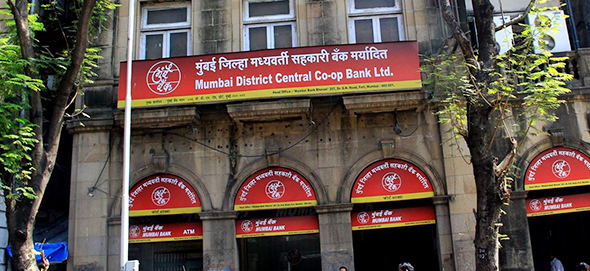
Mumbai Bank holds considerable importance in the city’s cooperative and financial landscape. As of March 31, 2026, the Bank had a deposit base of Rs 9,354 crore and loans and advances of Rs 6,907 crore, taking its total business to around Rs 16,261 crore.
The Bank also provides funding support for the self-redevelopment of cooperative housing societies, giving it a significant connection with Mumbai’s vast middle-class population.
Political observers believe the Shinde camp’s entry is aimed not only at gaining control of a major cooperative institution but also at expanding its outreach among Mumbai’s middle-class voters and strengthening its grassroots network.
The contest will be closely watched as it could provide fresh insights into the evolving political equations within Maharashtra’s ruling Mahayuti alliance.