






Primary Agricultural Credit Societies (PACS) are emerging as an important institutional link between India’s cooperative movement and the country’s transition towards renewable energy, with the convergence of the PM-KUSUM scheme at the PACS level opening new opportunities for solar-powered agriculture and additional income generation.
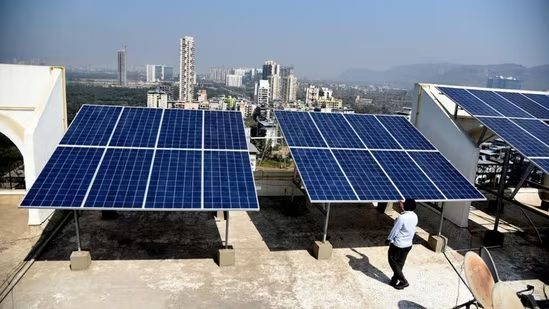
The Ministry of Cooperation has identified the convergence of PM-KUSUM at PACS level as one of its major initiatives. Under the initiative, farmers associated with PACS can adopt solar agricultural water pumps and install photovoltaic modules around their farms, helping them reduce dependence on conventional energy sources while strengthening energy security.
PM-KUSUM- Pradhan Mantri Kisan Urja Suraksha evam Utthaan Mahabhiyan, is designed to promote solar energy in agriculture, reduce diesel consumption, enhance farmers’ incomes and provide greater energy and water security.
The scheme has three broad components covering decentralized solar power plants, standalone solar agricultural pumps and solarisation of grid-connected agricultural pumps and feeders.
The role envisaged for cooperatives is particularly significant under Component A.
According to the Ministry of New and Renewable Energy (MNRE), individual farmers, groups of farmers, cooperatives, panchayats, Farmer Producer Organisations and Water User Associations can set up renewable energy power plants generally ranging from 500 kW to 2 MW. Electricity generated can be sold to distribution companies at tariffs approved by the respective State Electricity Regulatory Commissions.
MNRE’s PM-KUSUM FAQs specifically list PACS among the eligible entities under Component A. PACS can therefore potentially move beyond their traditional credit role and participate in decentralized renewable-energy generation. Solar projects can be established on barren or uncultivable land, while agricultural land can also be used in specified circumstances through stilt-mounted installations that allow farming activity to continue.
The cooperative dimension extends to solar irrigation as well. Government information states that PACS can participate in providing standalone solar pumps and in solarising existing grid-connected agricultural pumps. This creates the possibility of reducing irrigation expenditure for farmers while providing more reliable daytime power for agricultural operations.
For PACS, the initiative could also become a new source of revenue and economic activity. A cooperative that facilitates or participates in a decentralized solar project can help local farmers access clean energy while potentially generating income from renewable power. Farmers who lease suitable land for projects can also receive lease income, while solarisation can reduce recurring expenditure on diesel and electricity.
The scale of PM-KUSUM makes this cooperative opportunity particularly important. According to the latest MNRE dashboard, as of July 31, 2026, 8,067.50 MW had been sanctioned under Component A, with 1,602.45 MW installed. Component B had recorded 8,07,256 installed standalone solar pumps, while Component C had also seen substantial solarisation of agricultural pumps and feeders.
The wider programme is already benefiting millions of farmers. The government reported that more than 21.77 lakh farmers had benefited from PM-KUSUM as of December 31, 2025.
For the cooperative sector, the convergence represents more than an energy initiative. By bringing solar generation and irrigation solutions closer to villages through PACS, PM-KUSUM can help transform grassroots cooperatives into local hubs for clean energy, lower farm costs and new income opportunities, strengthening the broader objective of “Sahkar Se Samriddhi.”