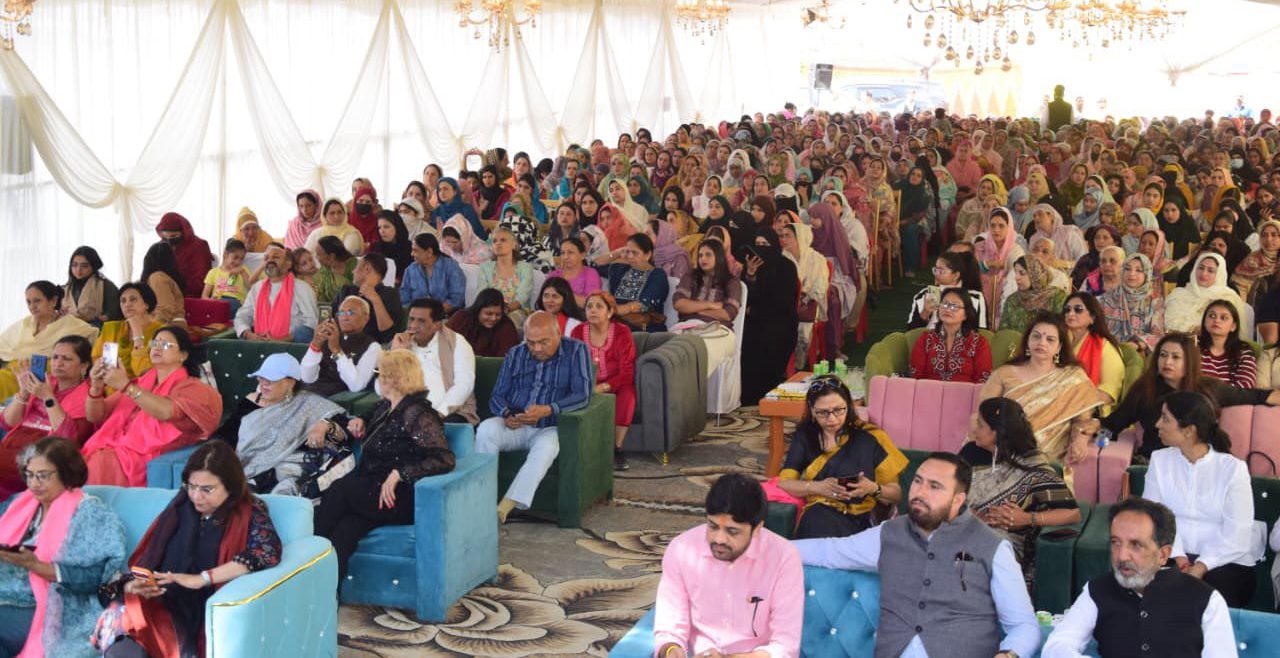







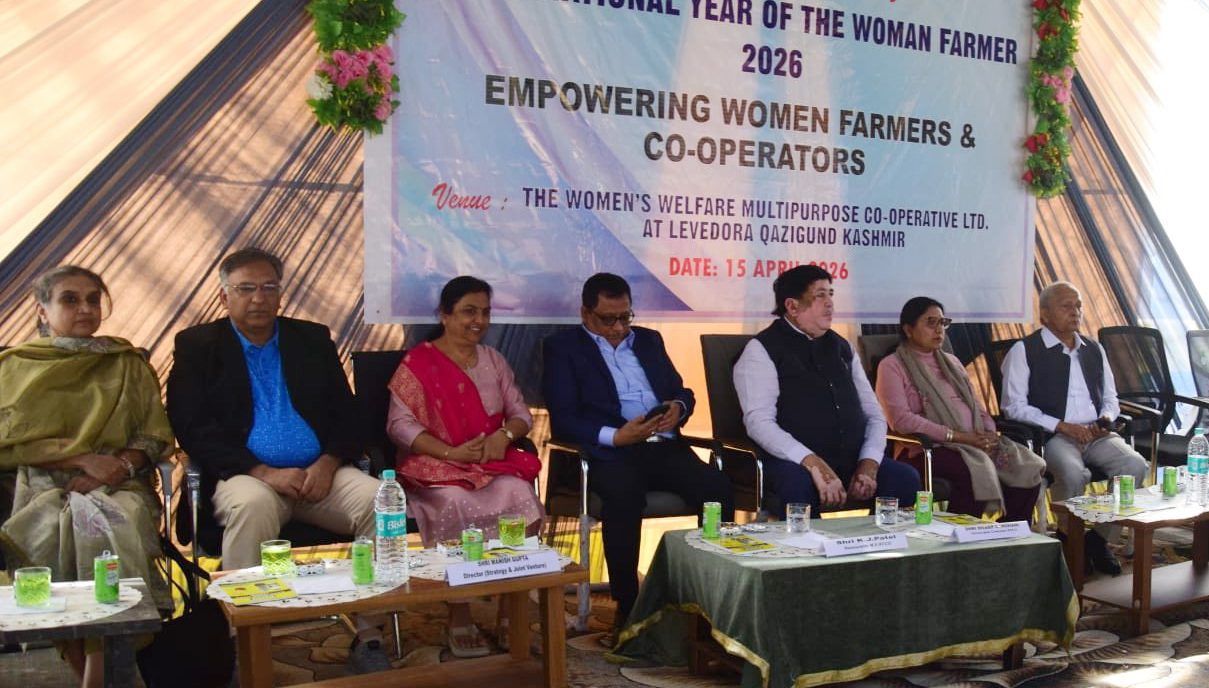
Dileep Sanghani, Chairman of IFFCO, has spearheaded a major cooperative outreach initiative in Jammu and Kashmir, placing women farmers and grassroots engagement at the centre of the campaign. The initiative began with a Women Farmers’ Conference in Anantnag, signalling a nationwide push to strengthen women-led agricultural development through cooperatives.
Addressing the gathering, Sanghani underscored the growing role of women in agriculture and called their empowerment vital for building a self-reliant rural economy. The initiative aligns with the declaration by the United Nations designating 2026 as the International Year of Women Farmers, giving global recognition to their contribution to the agri-sector. He said the Anantnag event marks the beginning of a series of similar programmes to be rolled out across the country.
 Sanghani highlighted that the campaign is being carried forward under the broader vision of cooperative strengthening promoted by the Ministry of Cooperation, established under Prime Minister Narendra Modi, with support from Union Cooperation Minister Amit Shah. He emphasised that empowering women farmers is key to ensuring inclusive growth, stronger rural economies, and sustainable agricultural practices.
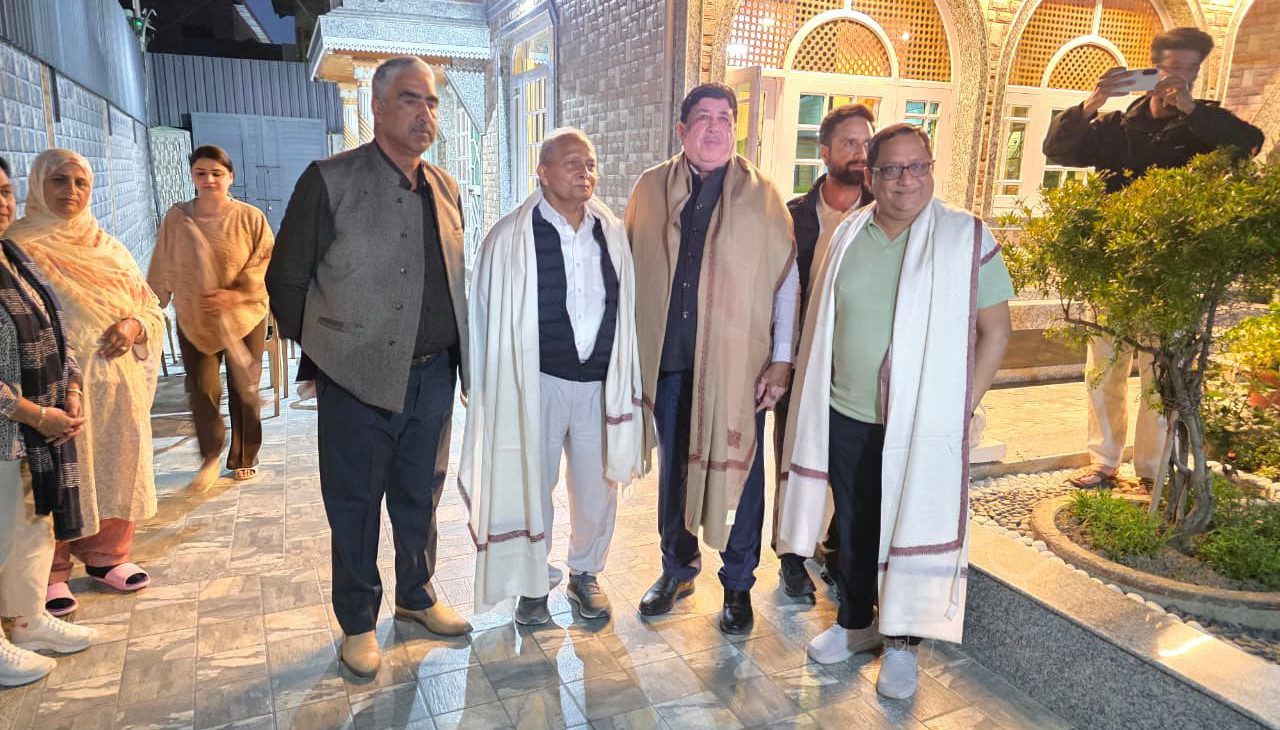
During his visit, Sanghani held extensive discussions with local cooperative leaders, agricultural stakeholders and institutional representatives to explore ways to expand participation and improve value chains in the region.
These interactions focused on enhancing institutional support, strengthening cooperative networks, and creating more opportunities for women in farming and allied sectors.
The outreach also included meetings with representatives linked to cooperative and agri-based organisations in Srinagar, where discussions centred on collaboration, organisational strengthening and regional development. Sanghani noted that such engagements help build trust and open new avenues for cooperative-driven growth.
The Women Farmers’ Conference, organised by a local cooperative society in Anantnag, brought together a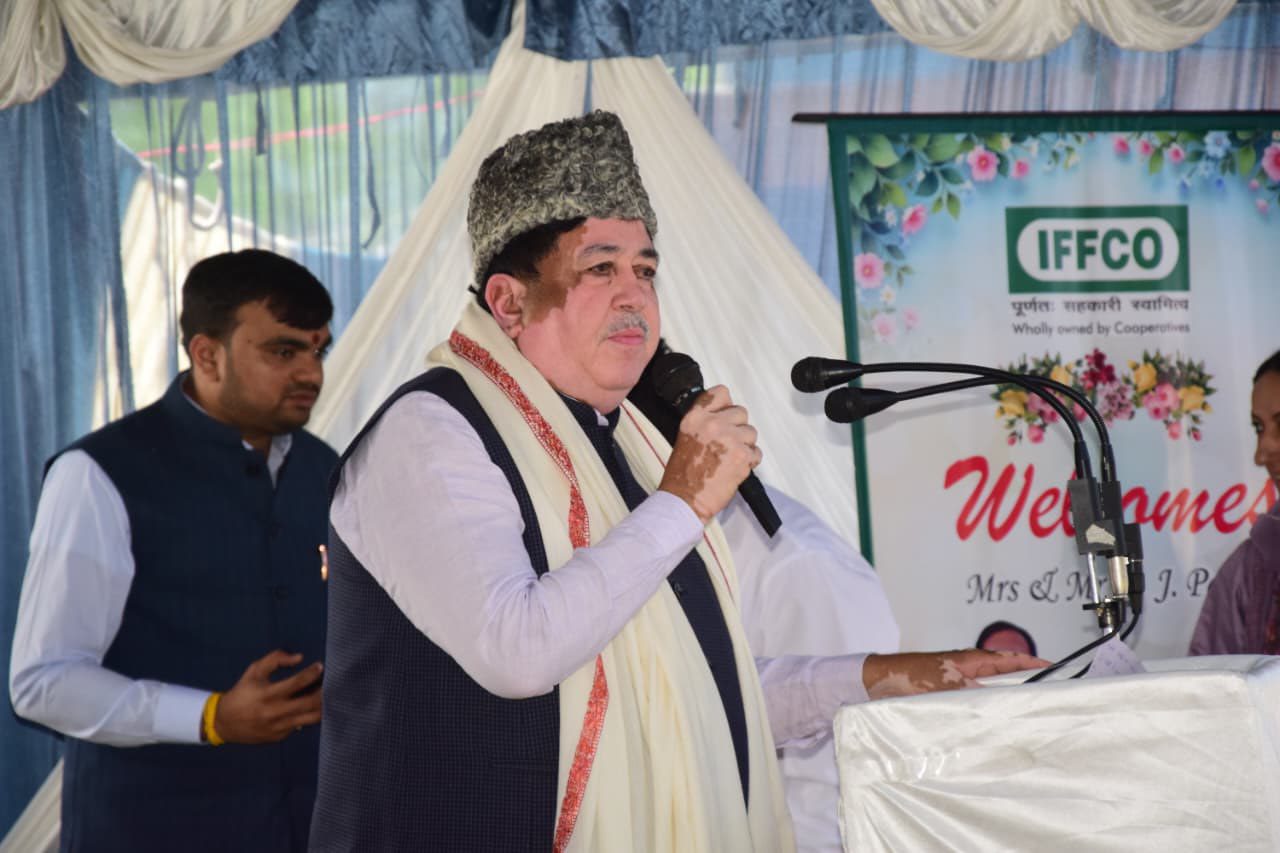 wide spectrum of participants including agricultural officers, cooperative members and grassroots leaders. Several dignitaries from IFFCO and regional cooperative bodies attended the event, reinforcing the importance of coordinated efforts in empowering rural women.
Sanghani reiterated that the initiative is not limited to awareness but aims to provide tangible opportunities, recognition and institutional backing to women farmers. He called for a collective resolve to ensure dignity, access to resources and self-reliance for women engaged in agriculture.
The visit reflects IFFCO’s broader strategy to deepen cooperative engagement in Jammu and Kashmir, with a clear focus on inclusivity, women-led development and rural economic strengthening. By positioning women at the heart of cooperative reforms, the initiative seeks to create a more resilient and equitable agricultural ecosystem across the country.