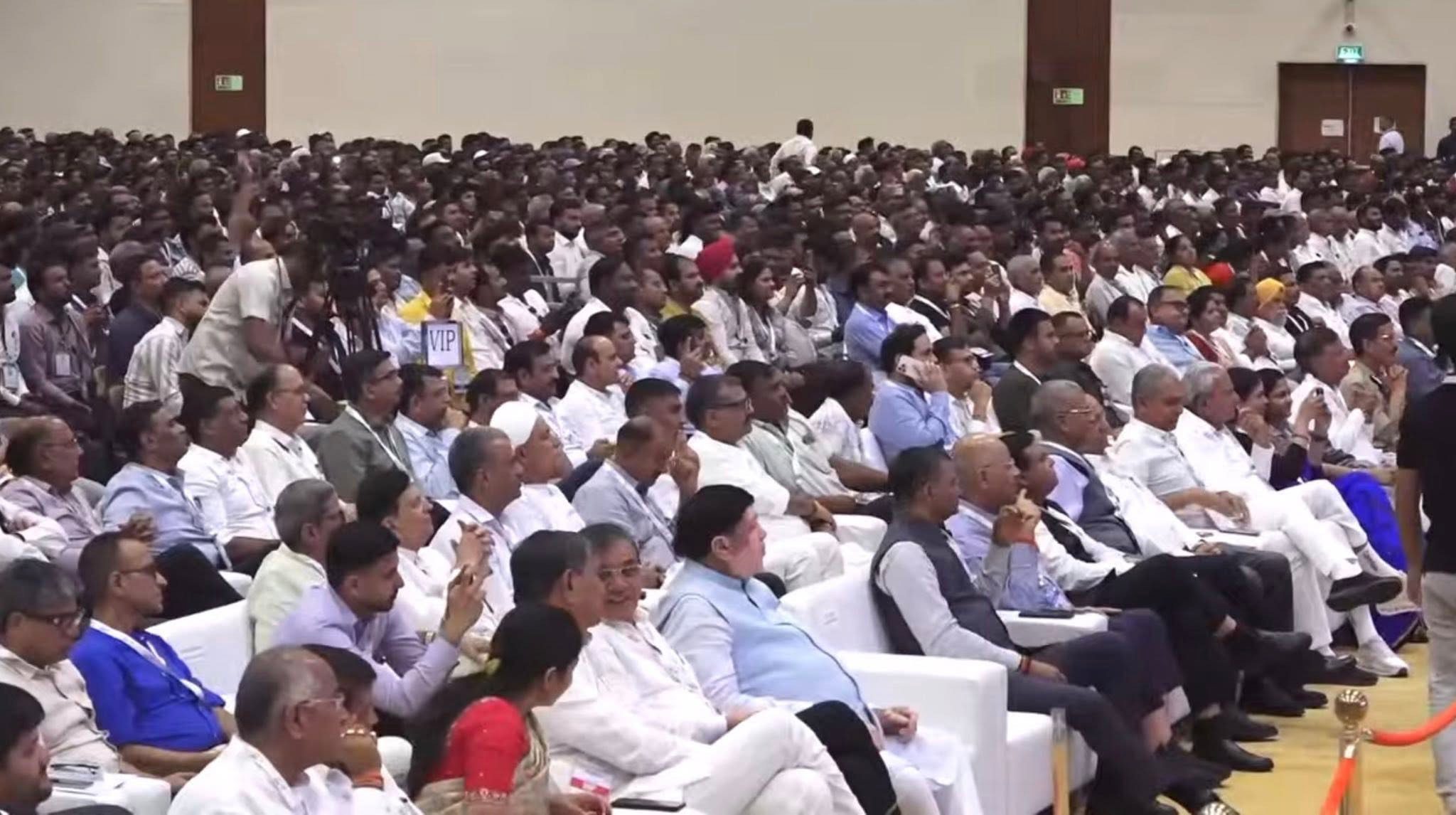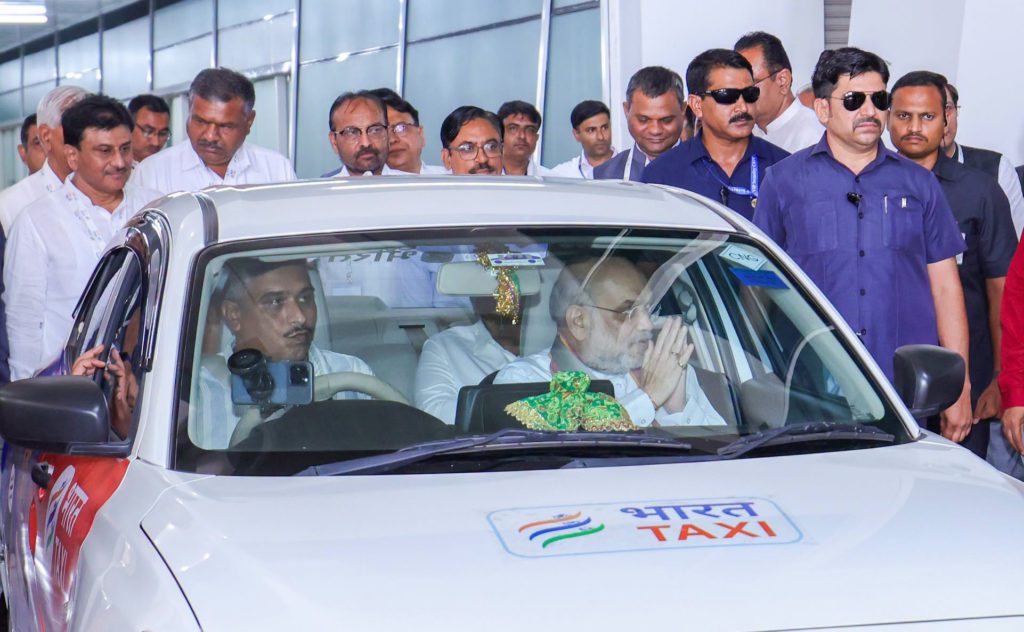
Union Home and Cooperation Minister Amit Shah launched the cooperative-based mobility platform Bharat Taxi in Gujarat, marking a significant expansion of the cooperative movement into the transport sector. The service has commenced operations across major cities including Ahmedabad, Surat and Rajkot, covering two-wheelers, auto-rickshaws and four-wheelers.
The initiative seeks to create a people-owned alternative in the app-based mobility market by placing drivers, referred to as “Sarathis,” at the centre of the business model.
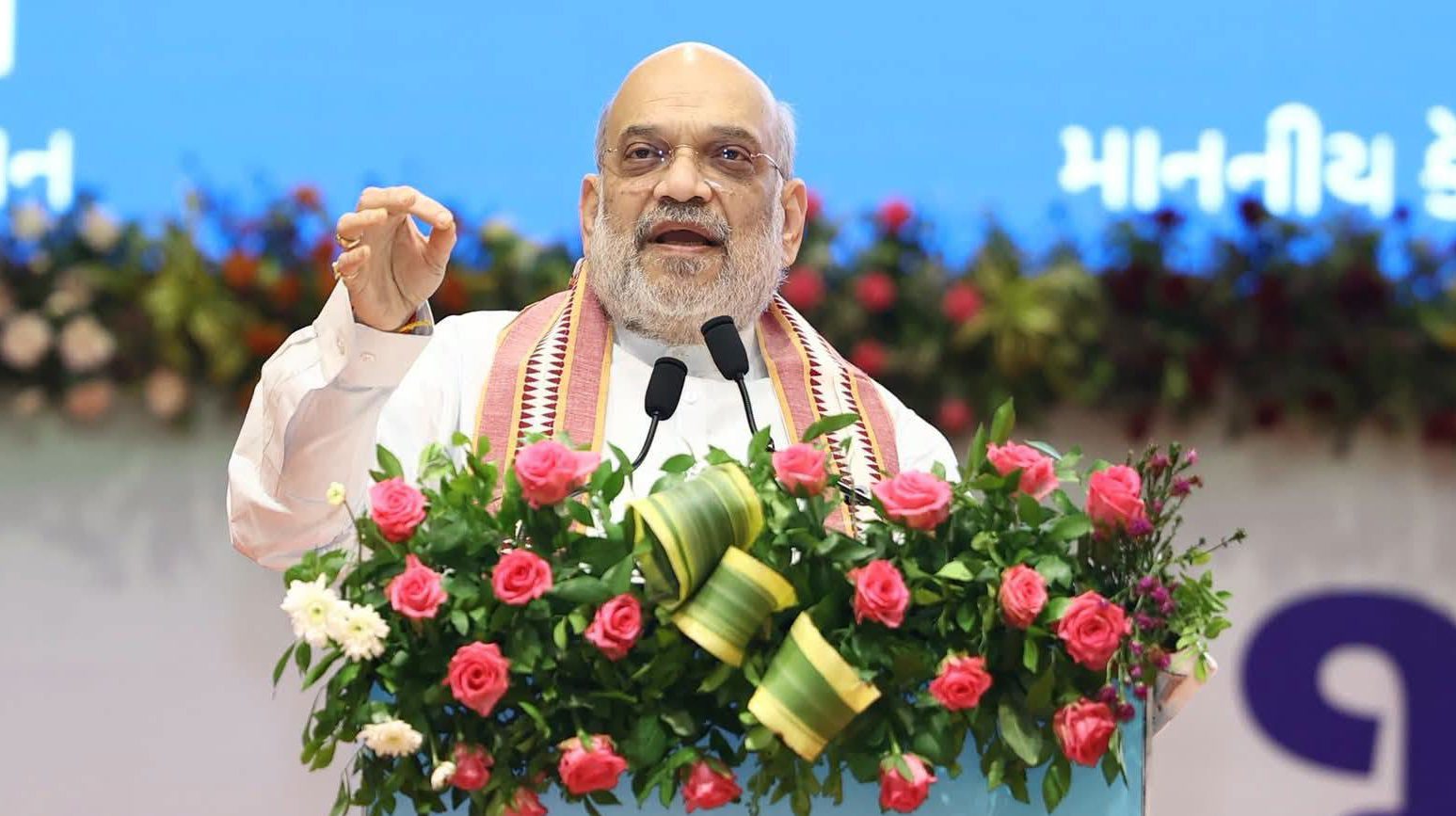
Addressing the launch event in Gandhinagar, Shah described the occasion as an important milestone for India’s mobility sector. He emphasized that Bharat Taxi is designed not merely as a transport platform but as a cooperative institution where Sarathis are stakeholders and owners rather than service providers working for private companies. According to him, the cooperative framework aims to eliminate exploitation, improve service quality and ensure fairness for both customers and transport workers.
The minister highlighted concerns associated with conventional app-based taxi services, including high commission deductions, delayed payments and unilateral decisions affecting drivers. He argued that while legislation may not resolve every issue, an appropriate institutional structure can provide long-term solutions. Bharat Taxi, he said, has been conceived as such a solution through the cooperative model.

Several leading cooperative organizations, including NCDC, IFFCO, KRIBHCO, NDDB, NABARD, NCEL and Amul, have joined hands to support the initiative and create a strong cooperative alternative in urban transport.
Shah revealed that more than seven lakh Sarathis have already joined the platform, while nearly 37 lakh customers have used its services. Beyond ride-hailing, the platform intends to provide members with access to loans, insurance and business expansion opportunities, thereby offering long-term social and economic security.
Responding to criticism regarding fare levels, Shah asserted that competing companies are temporarily lowering prices and offering incentives to retain market dominance. However, he maintained that Bharat Taxi’s focus is not on short-term competition but on building a transparent, sustainable and equitable transport ecosystem. He urged Sarathis and customers to support the platform’s long-term vision rather than pursuing immediate gains.
Looking ahead, Shah announced an ambitious national expansion plan. Bharat Taxi is expected to enter seven major cities before July 31, 2026, and expand to more than 500 cities and towns within the next two years. Cities identified for expansion include Mumbai, Pune, Nagpur, Lucknow, Chandigarh, Jaipur and Kolkata.
The initiative, he said, reflects Prime Minister Narendra Modi’s vision of “Sahakar Se Samriddhi” by extending the cooperative movement into new sectors and creating opportunities for dignity, security and prosperity for transport workers across India.