






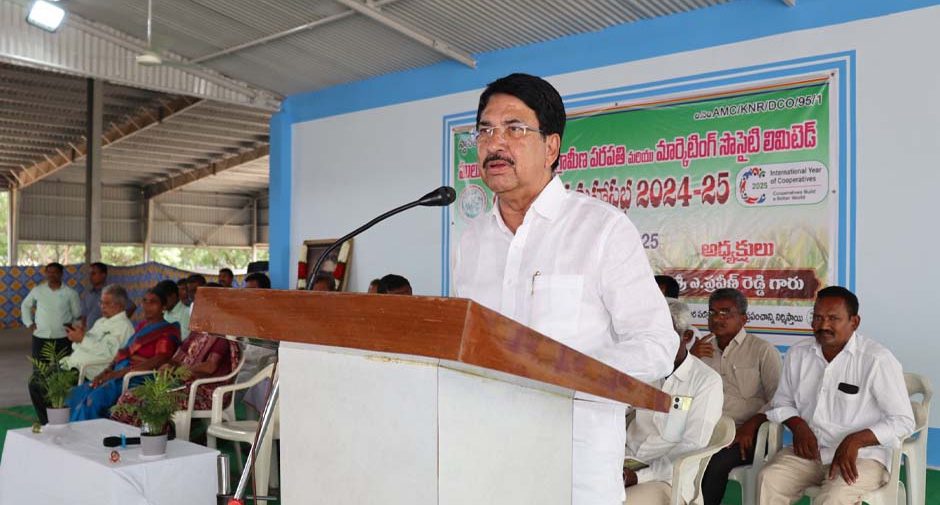
In the drought-prone interiors of Telangana, where dry canals, rocky terrain, and uncertainty once defined rural life, the Mulkanoor Cooperative Rural Credit and Marketing Society (MCRCMS) has scripted an extraordinary transformation story. Spread across 14 villages, this farmer-driven institution has turned hardship into opportunity, empowering thousands of small and marginal farmers to lead a life of dignity and prosperity.
Founded in 1956, the society today serves over 14,900 farmers, many from the fourth generation, built on a foundation of trust, discipline, and collective strength.
At the heart of its success lies a robust financial backbone. In 2024–25 alone, the cooperative disbursed crop loans worth Rs 70.58 crore to 6,564 farmers, along with Rs 4.04 crore in medium-term loans and Rs 5.38 crore in general loans. Yet, what truly sets Mulkanoor apart is its near-perfect 99.07% recovery rate with zero NPAs, a benchmark that even many financial institutions struggle to achieve.
The society also reported a total business turnover of Rs 407.77 crore during 2024–25, reflecting the scale and sustainability of its diversified operations. But Mulkanoor is far more than just a credit institution. It has built a complete “farm-to-fork” ecosystem, ensuring that farmers are not merely producers, but value creators.
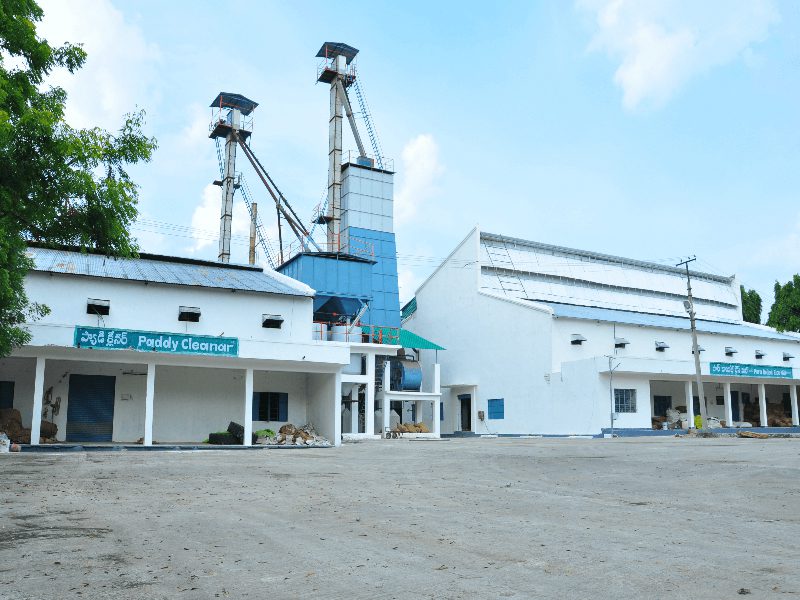
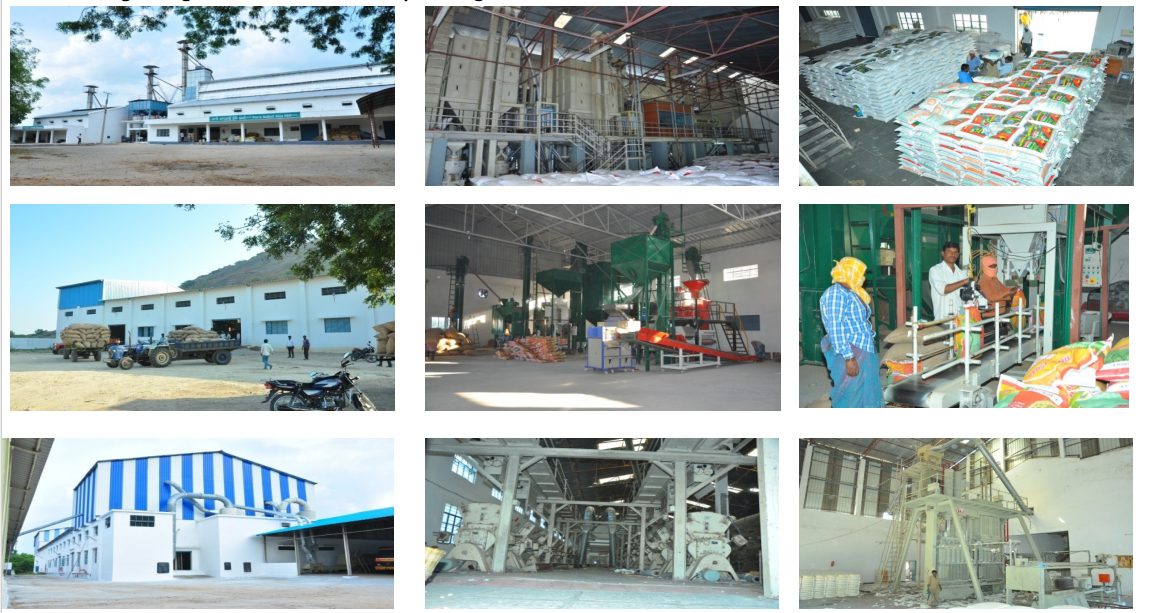 With over 56,000 MT storage capacity across 18 villages, along with modern rice mills, seed processing units, and cotton ginning facilities, the cooperative has effectively reduced dependence on intermediaries, minimized post-harvest risks, and enabled farmers to secure better market realisations.
Talking to Indian Cooperative Correspondent, A. Praveen Reddy, former MLA and former Director of IFFCO, said the cooperative’s growing business scale reflects the strength of its model.
“The “Mulkanoor Seeds” brand records an annual turnover of Rs 35-40 crore, supplying nearly 20,000 MT of seeds to around 2 lakh farmers, while “Mulkanoor Rice” generates about Rs 30 crore through a network of 50 retail outlets. Input procurement worth around Rs 5 crore annually ensures timely and affordable availability of fertilizers and other agri-inputs for members”, he added.
Equally significant is its focus on member welfare. The society provides insurance coverage to over 3,400 members and undertakes various initiatives such as pensions, scholarships, and health camps. In addition, more than 4,500 farmers have been trained in improved agricultural practices through collaborations with reputed institutions.
He further said that the cooperative’s mission has always been to build a self-reliant system where farmers have greater control over production, processing, and marketing, ensuring long-term economic sustainability.
With its strong governance practices, financial discipline, and integrated rural development approach, Mulkanoor today stands out as a replicable model in the cooperative sector, demonstrating how collective effort can drive sustainable growth in rural India.