
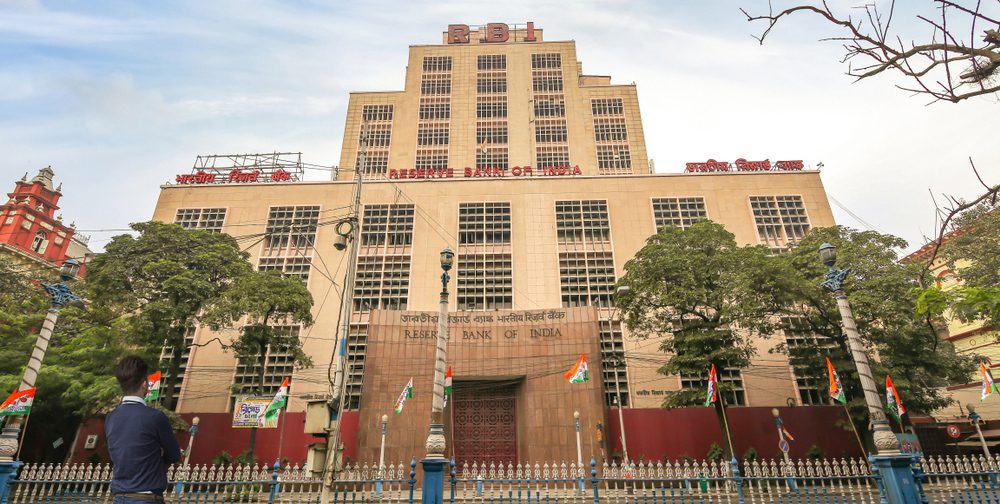
In a landmark development and a joyous moment for India’s cooperative banking sector, the Reserve Bank of India has granted Scheduled Bank status to four major Urban Cooperative Banks by including them in the Second Schedule of the RBI Act, 1934.
The move is being seen as a major recognition of the growing strength, stability, governance standards and regulatory compliance of the Urban Cooperative Banking sector in the country.
The four banks included in the prestigious list are Varachha Co-operative Bank Ltd. and Prime Co-operative Bank Ltd. from Gujarat, Contai Co-operative Bank Ltd. from West Bengal, and Shri Veershaiv Co-operative Bank Ltd. from Maharashtra.
Scheduled Bank status is considered one of the highest recognitions for any bank as it enhances credibility, strengthens financial standing and enables access to various facilities from the RBI, including liquidity support and participation in key financial operations.
Among the newly included banks, Prime Co-operative Bank Ltd. and the Varachha Co-operative Bank Ltd. are regarded among the leading cooperative banks of Surat, Gujarat, with a legacy of more than three decades in the cooperative banking sector.
As on March 31, 2026, both the banks recorded impressive financial growth. Prime Co-operative Bank achieved a business mix of more than Rs 4,500 crore, whereas Varachha Co-operative Bank crossed the Rs 7,000 crore mark, reflecting the strong growth trajectory of Gujarat’s cooperative banking movement.
Similarly, Contai Co-operative Bank Ltd. is a 79-year-old institution with a strong presence in West Bengal and a business mix of more than Rs 2,400 crore, while Shri Veershaiv Co-operative Bank Ltd., which is around 84 years old, has crossed the business milestone of Rs 2,000 crore.
Contai Co-operative Bank Ltd. is also said to have had the strong influence of newly appointed West Bengal Chief Minister Suvendu Adhikari, who earlier served as the chairman of the bank.
The RBI’s decision is being viewed as a strong endorsement of the improving governance standards, financial health, digital transformation and operational resilience of Urban Cooperative Banks across India.
The development is expected to boost depositor confidence, create new growth opportunities and further strengthen the cooperative banking ecosystem in the country.
It is worth noting that after a gap of more than two decades, the Reserve Bank of India has resumed granting Scheduled Bank status to Urban Cooperative Banks.
The trend was revived when Pune-based Vishweshwar Sahakari Bank Ltd. became one of the first cooperative banks in recent years to receive the prestigious status, opening the doors for several other cooperative banks to follow. Now, four more cooperative banks have joined the prestigious Scheduled Bank list, marking another major milestone for India’s Urban Cooperative Banking sector.
The renewed momentum is being attributed to the strong push for cooperative sector reforms by the Union Ministry of Cooperation under the leadership of Amit Shah, which has played a key role in strengthening and modernising the cooperative banking ecosystem across the country.