






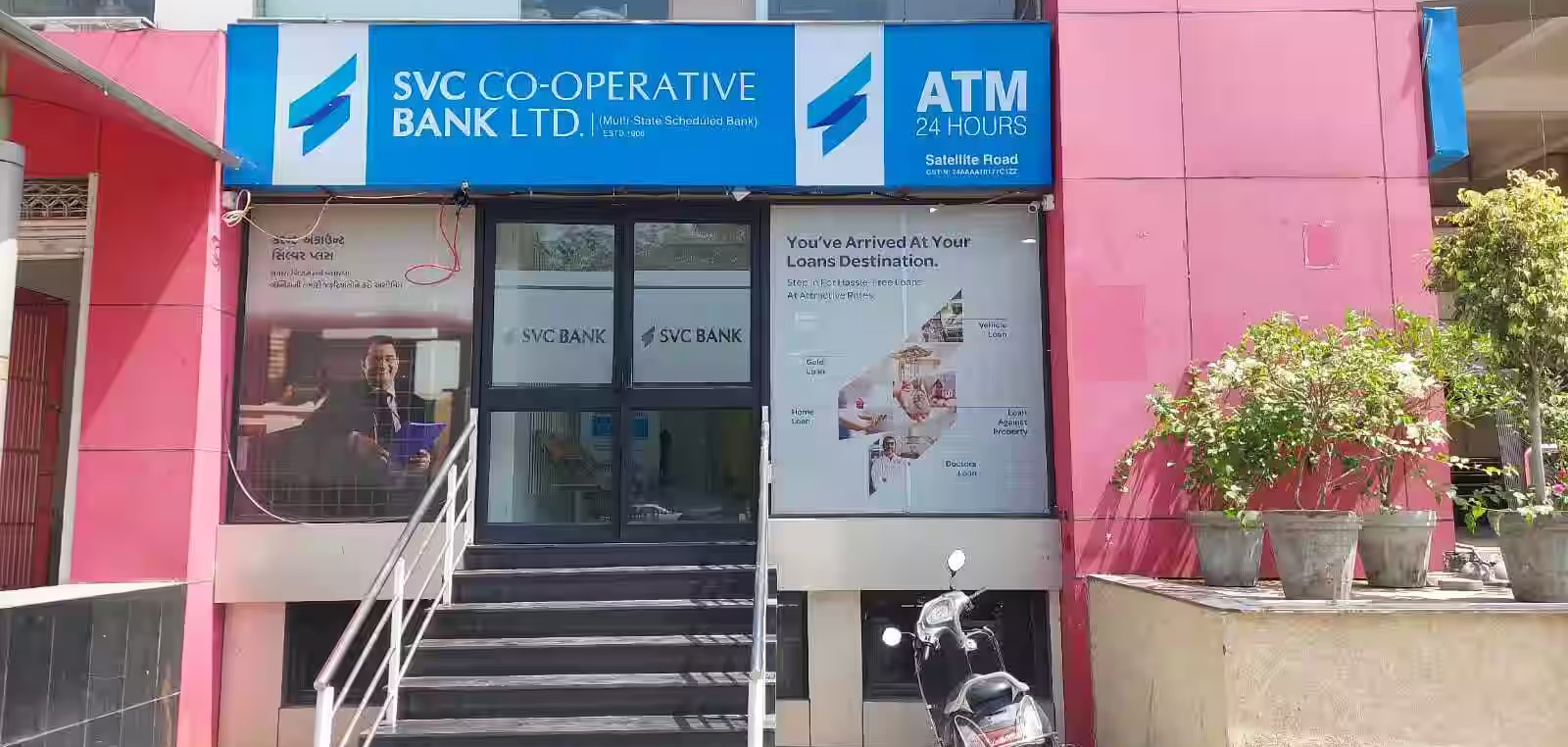
A Rs 30-lakh “digital arrest” scam was foiled at an Ahmedabad branch of SVC Co-operative Bank, highlighting one of the distinctive strengths of urban cooperative banking, the personal relationship between the bank and its customers.
The incident, narrated by SVC Co-operative Bank MD Ravindra Singh, involved a senior citizen who had been under pressure from fraudsters for nearly a week. The customer, whose account is maintained at the bank’s Mumbai branch, came to Ahmedabad to make an urgent RTGS transfer.
What saved him was not a sophisticated technological alert but the personal attention of the branch staff. The Assistant Branch Manager noticed that the customer appeared frightened and, rather than simply processing the transaction, stopped to speak with him.
The conversation revealed that the customer was being manipulated by fraudsters posing as authorities in a “digital arrest” scam. He had already mobilised around Rs 4 lakh from an account with one of the country’s largest public sector banks. The fraudsters then allegedly instructed him to redeem his savings and transfer the money.
The customer subsequently redeemed a substantial portion of his lifelong savings, including mutual fund investments and savings linked to his SVC account, and arrived at the Ahmedabad branch to make the transfer.
The branch team counselled him and stopped the transaction. It is now helping him file complaints with the police and cybercrime authorities.
The episode brings into sharp focus the difference in the way an urban cooperative bank can relate to its customers. Unlike a purely transaction-driven banking interaction, the urban cooperative model has traditionally been built around close, personal relationships. Branch employees often know their customers, their backgrounds and, in many cases, their normal banking behaviour.
That familiarity can become particularly valuable when a transaction suddenly appears out of character. A large RTGS transfer by a frightened senior citizen may look like just another digital instruction in a highly automated banking system. But to a banker who knows the customer personally, the same transaction can raise an immediate question: Is everything all right? That human question made the difference in this case.
Singh’s account therefore underscores an important dimension of cooperative banking: technology can make transactions faster, but personal knowledge can sometimes make banking safer. The strength of an urban cooperative bank lies not merely in the products it offers but also in the relationship its employees build with members and customers.
For the senior citizen, that relationship potentially saved Rs 30 lakh of his hard-earned savings. For urban cooperative banking, the episode offers a powerful real-life illustration of how the personal touch can complement technology in protecting customers from increasingly sophisticated financial frauds.