






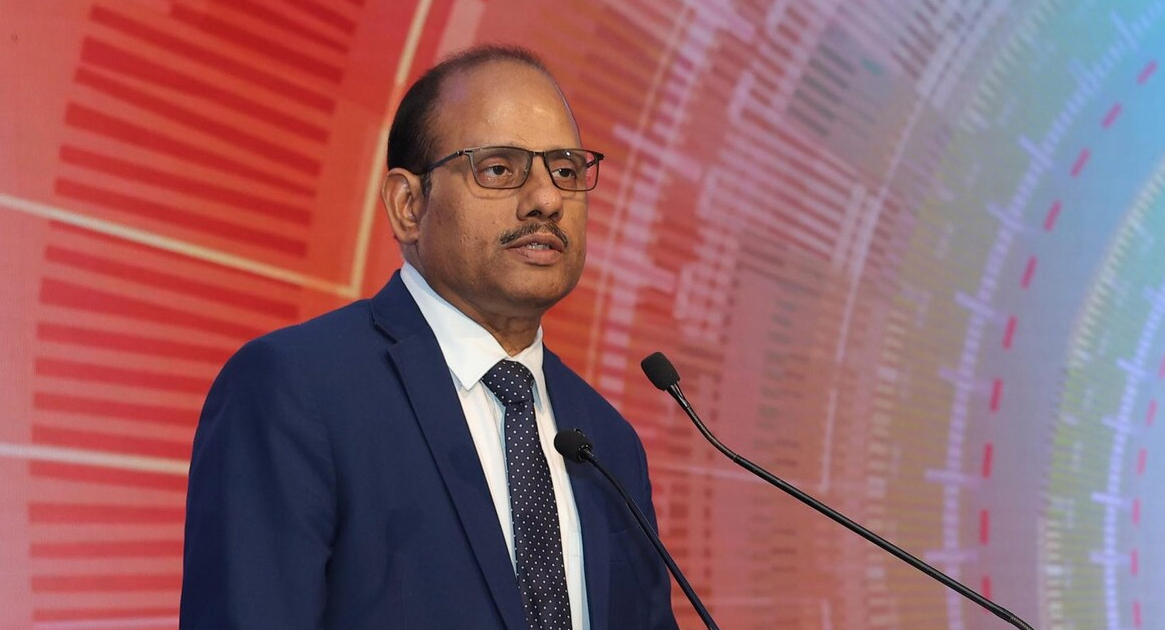
Urban Co-operative Banks (UCBs) may be smaller in size, but they face an increasingly complex and global risk environment, Reserve Bank of India Deputy Governor Swaminathan J. has warned.
Addressing the Mission SAKSHAM programme for UCB directors, managing directors and CEOs in Telangana, Swaminathan said rapid digitisation has changed the nature of risks facing smaller banks. Cyberattacks, digital fraud and technology failures can disrupt banks regardless of their size or geographical reach.
The Deputy Governor highlighted growing dependence on external technology providers. Many UCBs outsource critical functions such as Core Banking Solutions, payment applications and data centres. While outsourcing provides access to technology and expertise, it can also create operational and technology risks.
Swaminathan posed a pointed question to bank Boards and CEOs: “How much of my bank today actually sits outside my bank?”
He stressed that outsourcing does not transfer responsibility. Banks must understand risks arising from third-party providers, maintain safeguards and ensure continuity of critical services.
Cyber attackers and digital fraudsters do not distinguish between large commercial banks and smaller UCBs. A vulnerability in a common technology platform could potentially affect multiple institutions simultaneously.
For smaller banks, building every specialised capability internally may not be practical. However, Boards and senior management must have sufficient knowledge to oversee technology and outsourcing risks effectively.
With more than 1,400 UCBs facing similar technology, skill and operational challenges, the RBI is encouraging collective solutions. Shared infrastructure, expertise and sector-level capabilities can help smaller banks overcome limitations of individual scale.
Swaminathan also highlighted the role of the National Urban Co-operative Finance and Development Corporation (NUCFDC) as the sector’s umbrella organisation.
“Individual scale can, therefore, be supplemented by collective capability,” he said.
Launched on April 28, 2026, Mission SAKSHAM aims to build capabilities across the UCB sector and is expected to cover around 1.4 lakh participants. The programme targets Board Members, Senior Management, Heads of Assurance Functions, IT Technical Employees and Other Employees.
In Telangana, all 48 UCBs have been represented in at least one Mission SAKSHAM programme, while more than 100 directors, including Chairpersons, participated in the latest programme.
Swaminathan stressed that the initiative should go beyond routine training and foster continuous learning, stronger decision-making and institutional preparedness.
His concluding message summed up the RBI’s approach: “Capacity is best built before it is tested.”
For UCBs, the message is clear: being small in size cannot mean being small in capability.