






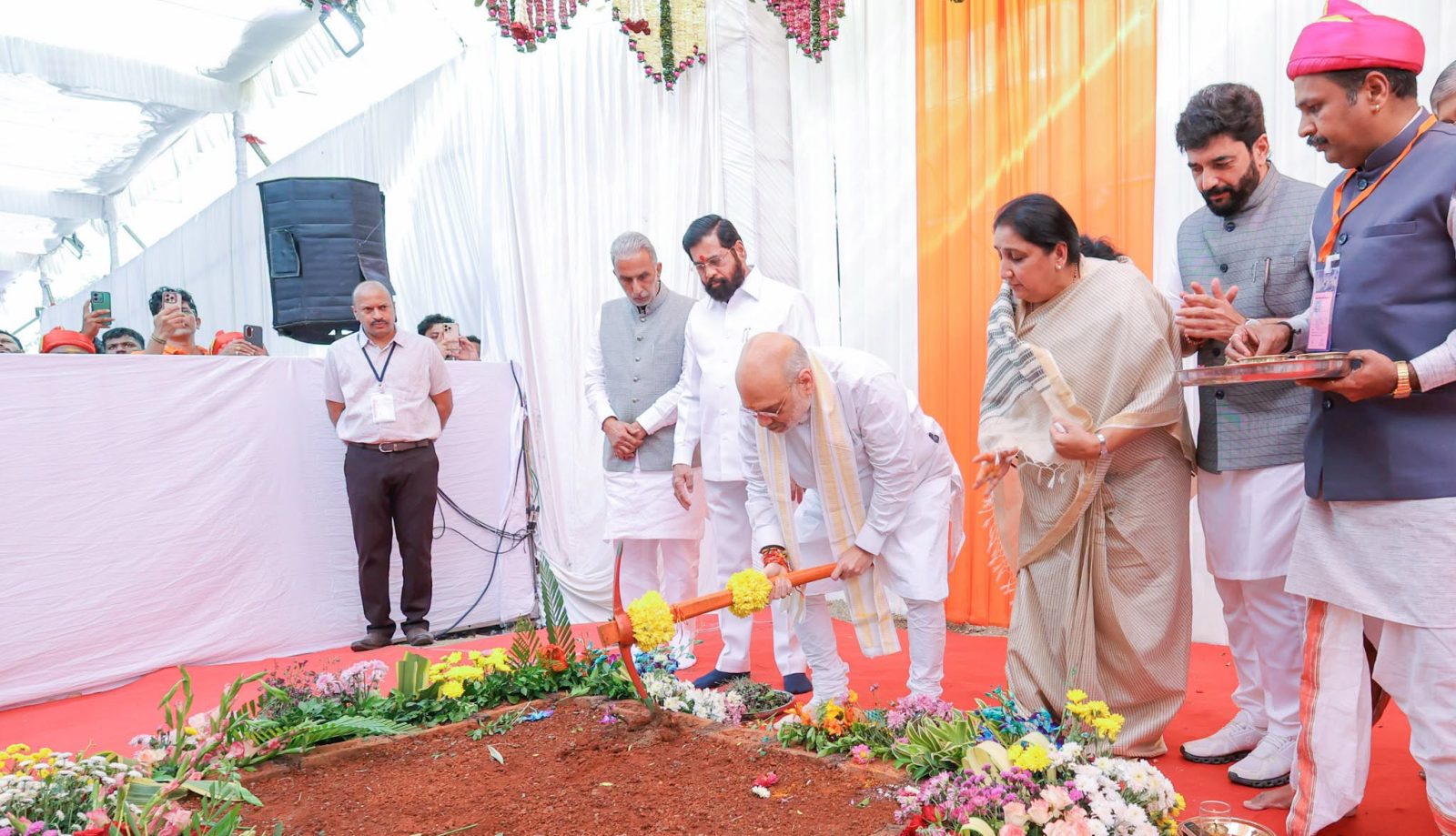
The revival of National Heavy Engineering Cooperative Limited (NHEC), once a major manufacturer and exporter of sugar mill machinery, has formally begun, with Union Cooperation Minister Amit Shah performing the Bhoomi Pujan of its reconstruction project at Talegaon Dabhade in Pune district on Sunday.
The ambitious initiative aims to restore a landmark cooperative industrial enterprise that had remained closed for years and turn it into a major manufacturing hub serving the sugar, dairy, energy and infrastructure sectors.
Shah expressed confidence that production at the approximately 110-acre complex would begin before December 2027, marking a significant milestone in the government’s efforts to revive dormant cooperative industrial assets.
The revival is being undertaken with the support of leading cooperative institutions, including the National Dairy Development Board (NDDB), Amul, IFFCO, KRIBHCO, National Cooperative Development Corporation (NCDC), NABARD and Indian Potash Limited (IPL). NDDB initially took over the management of NHEC as its administrator, after which pending audits were completed, the Board of Directors reconstituted and the investment required for revival mobilised.
At its first board meeting on October 9, 2026, a resolution was adopted to rebuild the institution. A plan has also been prepared to reschedule its outstanding liabilities and loans and settle them transparently.
Recalling NHEC’s glorious past, Shah said the facility had once supplied sugar mills and centrifugal machinery to several countries. Its products had reached 11 countries, including Zambia, Ethiopia and Vietnam, while its order book was so strong that customers sometimes had to wait nearly four years for deliveries. However, the industrial unit eventually shut down, leaving its valuable land vulnerable to encroachment.
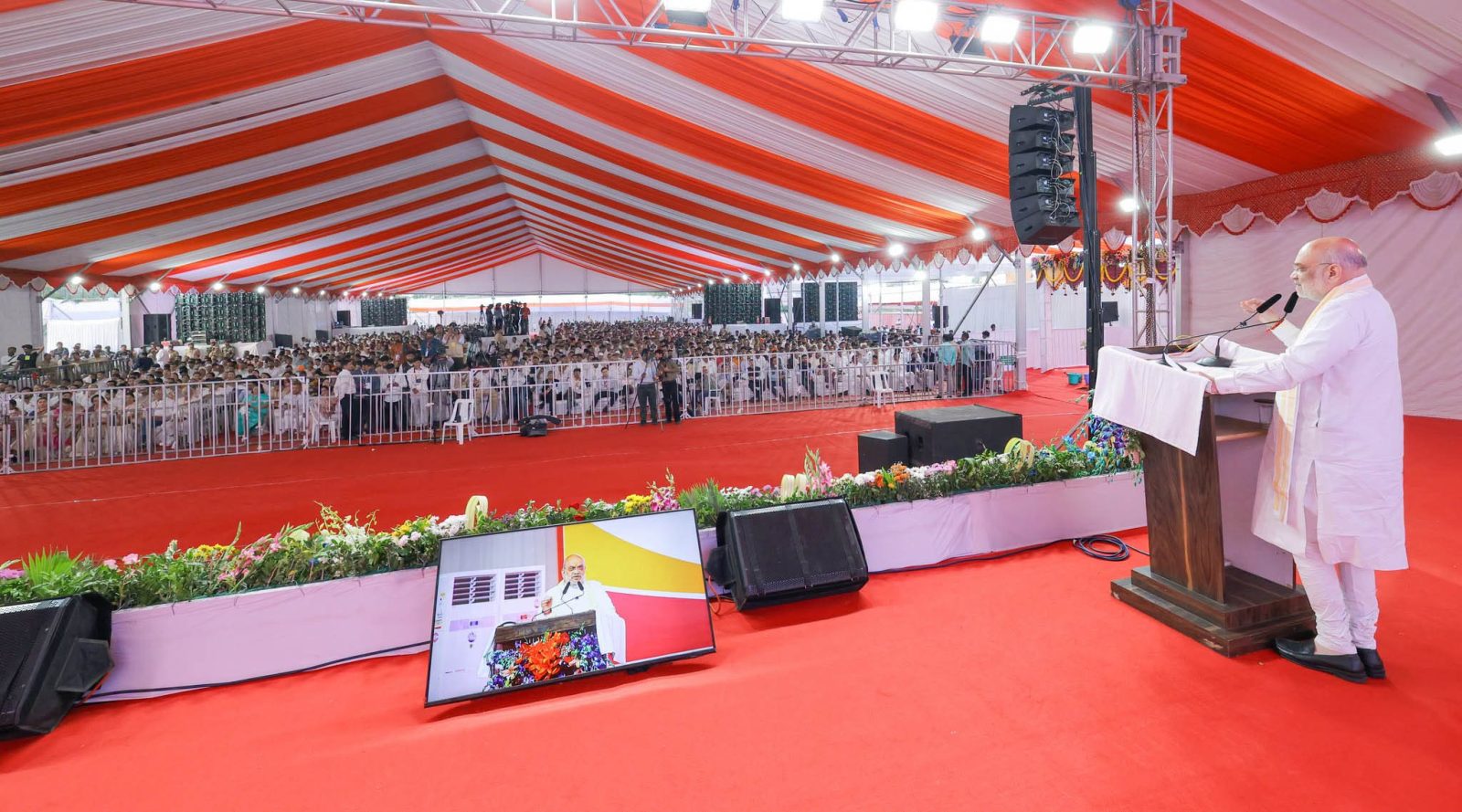 The revived facility will go beyond manufacturing sugar mill machinery. It is planned to produce power generation plants for sugar mills, ethanol and compressed biogas (CBG) plants, dairy processing equipment and industrial machinery. Container manufacturing for overseas markets will also form part of its operations. In the second phase, the facility is expected to manufacture containers for the railways and defence sectors as well.
Shah said the earnings generated from these activities would accrue to cooperative institutions, strengthening the cooperative economic ecosystem rather than benefiting private intermediaries.
He also highlighted the potential of developing a circular economy in the sugar and dairy sectors. Productive utilisation of cattle dung and other agricultural and industrial by-products could create additional income opportunities for farmers while reducing dependence on imports.
Describing Maharashtra as a cradle of India’s cooperative movement, Shah recalled the contributions of pioneers such as Vitthalrao Vikhe Patil and Vaikunthbhai Mehta, who laid the foundation of a system designed to ensure that farmers received a greater share of the benefits generated through agricultural trade.
He said the establishment of a separate Ministry of Cooperation under Prime Minister Narendra Modi had given fresh direction to the sector. Measures such as approximately Rs 15,000 crore in relief to cooperative sugar mills and annual income-tax relief of around Rs 3,000 crore had strengthened cooperative institutions.
Sunday’s programme also witnessed two other important initiatives. Shah virtually inaugurated the Western Regional Office of the Central Registrar of Cooperative Societies in Pune, which will regulate Multi-State Cooperative Societies operating in Maharashtra, Gujarat, Goa, Dadra and Nagar Haveli, and Daman and Diu.
He also launched Bharat Taxi services in Pune. Based on the cooperative model, the platform aims to eliminate commission deductions and ensure that drivers, known as Sarathis, receive their entire earnings directly into their bank accounts. Shah said the service would subsequently be extended to Nagpur, Nashik, Kolhapur and Solapur.
The three initiatives together underline the government’s attempt to combine industrial revival, institutional strengthening and cooperative entrepreneurship under the broader vision of Sahkar Se Samriddhi.