






The government has proposed a significant expansion of the mandate and financial powers of the National Co-operative Development Corporation (NCDC), enabling it to provide more direct and flexible financial assistance for cooperative development.
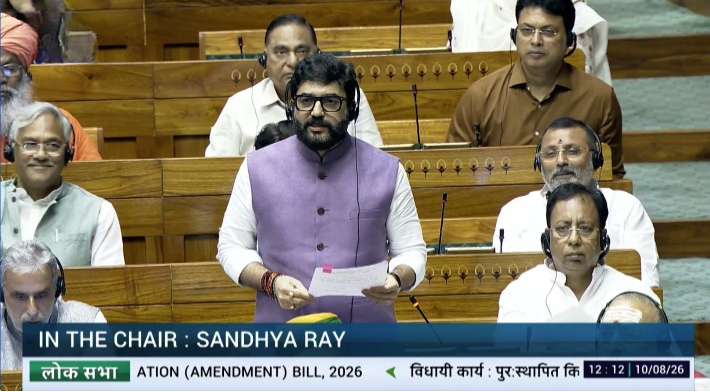
Union Minister of State for Cooperation Murlidhar Mohol introduced the National Co-operative Development Corporation (Amendment) Bill, 2026 in the Lok Sabha on Monday. The Bill seeks to amend the NCDC Act, 1962, and widen the statutory framework governing the Corporation.
One of the key changes proposed is to expand NCDC’s mandate from planning, promoting and financing programmes “through co-operative societies” to planning, promoting and financing programmes “for co-operative development.” The proposed definition includes programmes financed either directly or through an intermediary entity for the benefit of co-operative societies.
The Bill also proposes to empower NCDC to provide loans and grants directly to co-operative societies or any entity engaged in co-operative development, provided the funds are ultimately used for co-operative societies. Such financial assistance would be subject to security requirements prescribed by NCDC.
A major proposed reform is NCDC’s ability, with the approval of the Central Government, to participate in the share capital of co-operative societies or entities engaged in co-operative development. The NCDC Board would determine which entities qualify as being engaged in co-operative development.
The Statement of Objects and Reasons notes that the cooperative sector has expanded and diversified, with specialised entities increasingly involved in infrastructure, technology, processing, marketing, financial and other services supporting cooperatives. Since many such entities are not registered as co-operative societies, NCDC is currently unable to finance them directly, often requiring proposals to be routed through State Governments or co-operative societies.
The Bill further proposes to broaden the definition of “foodstuffs” to cover processed food, other edible products and other food items that may be notified by the Central Government. It also seeks to remove the existing geographical restriction on assistance for industrial goods, allowing such activities irrespective of their location.
In addition, NCDC would be given incidental powers necessary for the effective discharge of its functions. It may also collect from or furnish to the Central Government, RBI, banking companies and notified financial institutions credit or other information required for efficient discharge of its functions.
The proposed amendments are aimed at giving NCDC greater legal clarity and flexibility, enabling timely and direct financing for cooperative development while keeping co-operative societies as the primary beneficiaries.