





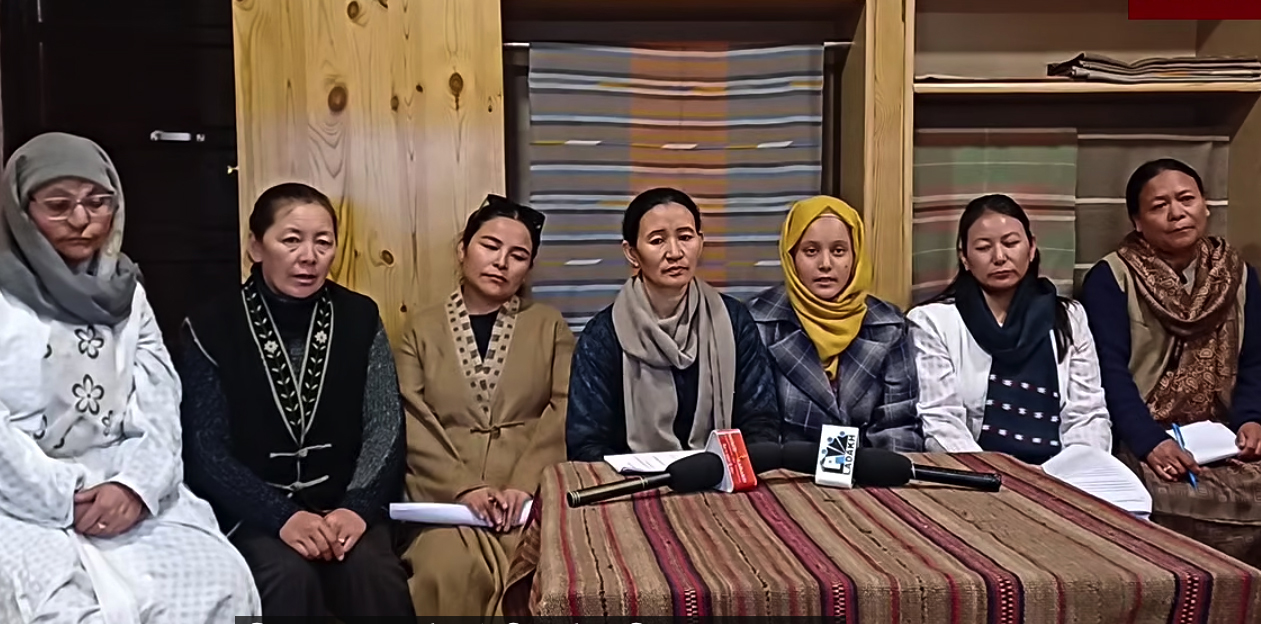
Looms of Ladakh Women Cooperative Limited is showcasing how the cooperative model can transform traditional skills into organised economic activity, strengthen local manufacturing and improve the livelihoods of producers. Built around Ladakh’s rich Pashmina and textile traditions, the women-owned institution has spent nearly a decade developing an ecosystem that connects artisans, pastoralist communities, production facilities and markets.
The cooperative’s journey underlines the power of collective enterprise: when producers come together to own an institution, participate in its governance and develop their capabilities, traditional occupations can evolve into sustainable economic opportunities.
The initiative began taking shape in 2013, inspired partly by the Gujarat dairy cooperative model and the need to strengthen Ladakh’s textile value chain. The cooperative was established in May 2017, gradually consolidating its membership, production systems and manufacturing capabilities.
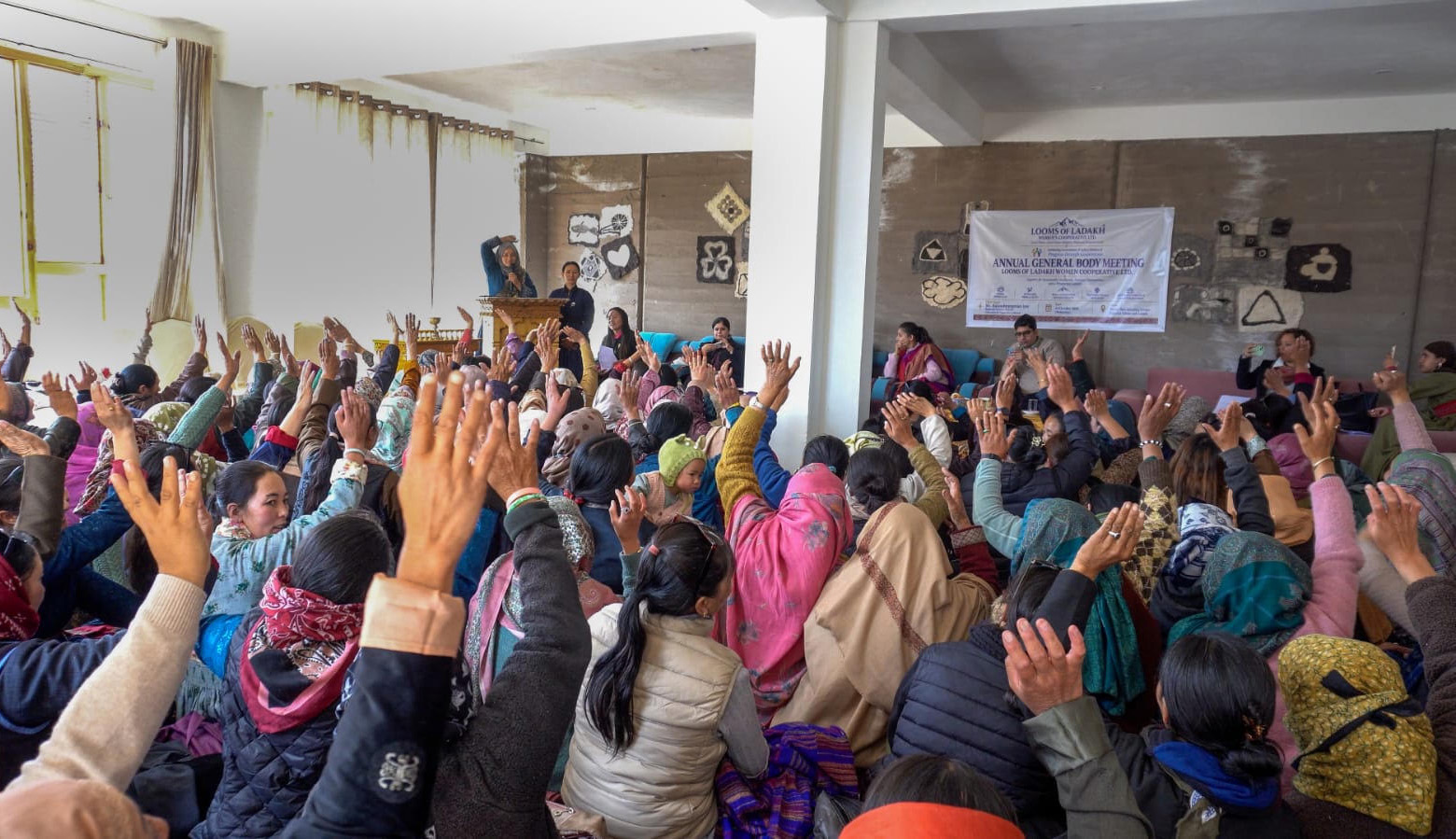
Its central principle is that women who produce the textiles must remain at the heart of the institution. At its General Body meeting on October 14, 2026, the cooperative reaffirmed producer ownership, democratic decision-making and women’s leadership. It maintained that eligible local women producers should exercise authority through the General Body and elected Board of Directors.
This model goes beyond providing employment. It seeks to give artisans collective ownership, a stronger voice in business decisions and improved bargaining capacity while enabling them to engage with buyers as skilled manufacturers and business partners.
 Over the years, Looms of Ladakh has developed physical infrastructure, machinery, technical expertise and decentralised production facilities. Its Central Atelier and Head Office in Ladakh provides an institutional base where producers can showcase their work and interact with brands, designers and buyers. The facility also symbolises a shift in the relationship between artisans and markets, placing producers in a position to negotiate as organised enterprises rather than isolated workers.
In Changthang, a passive-solar-heated workstudio at Chushul, developed with NABARD funding, has helped bring production infrastructure closer to local communities. Additional centres across Changthang, Leh and Kargil have contributed to a decentralised manufacturing network suited to the region’s geographical and cultural diversity.
The cooperative has also invested in advanced skills, product development, textile processing and finer-count yarns, including 1/56-count yarn. Its estimated technical capacity for fine-count weaving has reached approximately 400 metres a month, although this represents capacity rather than actual production or sales.
One reported outcome is the improvement in average monthly artisan earnings, which rose from approximately Rs 3,000 to around Rs 15,000 by 2024. The progress reflects the potential of combining skills, infrastructure, institutional partnerships and collective organisation to retain more value within the region.
The cooperative received wider recognition when Prime Minister Narendra Modi mentioned Looms of Ladakh in his Mann Ki Baat programme in November 2023. It was also featured in the Ministry of Cooperation’s public communication and the Economic Survey 2022-23.
The recent recognition process for Ladakh Pashmina textiles under the Geographical Indication initiative has brought renewed attention to the region’s manufacturing capabilities. The cooperative has called for constructive dialogue and proposed an annual transparency and value-addition index covering fibre sourcing, local manufacturing, producer earnings and product traceability.
Its larger message is that cooperative growth requires more than financial assistance. It demands sustained institution-building, democratic ownership, skill development, market access and transparent accountability.
By organising women producers and investing in local capabilities, Looms of Ladakh offers an example of how cooperation can convert traditional knowledge into productive enterprise, strengthen rural livelihoods and advance the broader vision of Sahkar Se Samriddhi.