





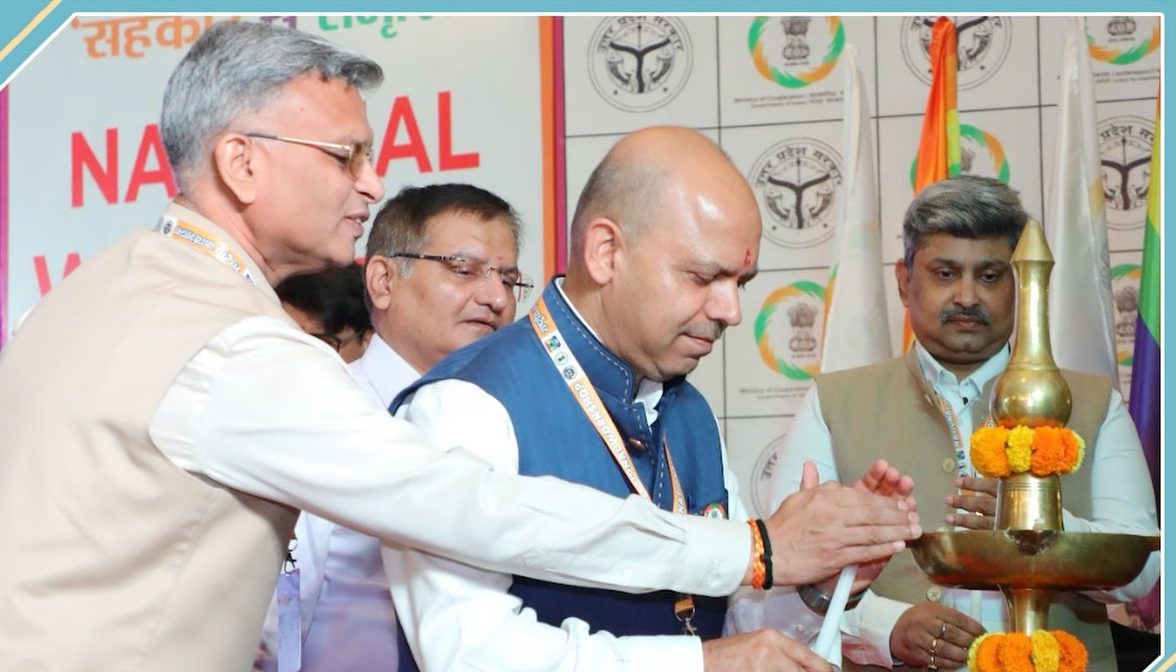
A two-day national-level workshop aimed at strengthening India’s cooperative sector commenced in Varanasi on Thursday, marking a significant step toward advancing the vision of ‘Sahkar se Samriddhi’ under the leadership of Prime Minister Narendra Modi and Union Home & Cooperation Minister Amit Shah.
The workshop was inaugurated by Dr. Ashish Kumar Bhutani, Secretary, Ministry of Cooperation, who outlined a structured and phased roadmap to review progress and shape future interventions in the sector.
Senior officials, including Cooperative Secretaries, Registrars of Cooperative Societies (RCS) from States and Union Territories, and representatives from key institutions, participated in the deliberations.
Day One discussions emphasized a shift from policy formulation to on-ground execution with time-bound targets. Key priorities included accelerating the computerization of Primary Agricultural Credit Societies (PACS) and Agricultural and Rural Development Banks (ARDBs), strengthening accountability frameworks, and promoting technology-driven cooperative models.
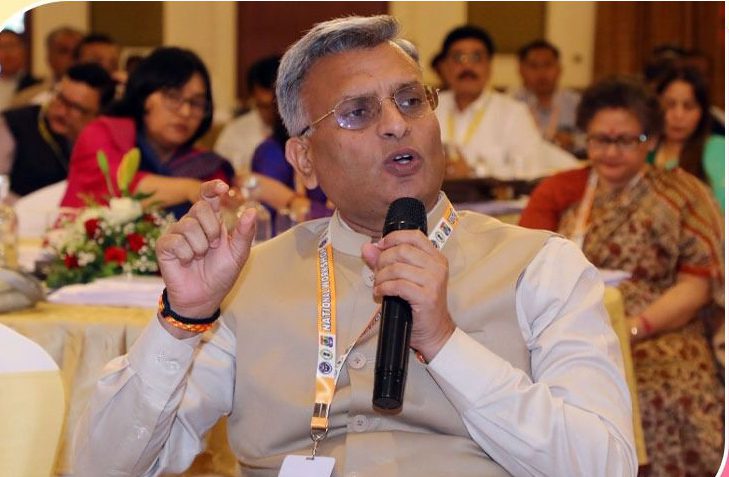 A dedicated session on PACS computerization, led by senior ministry officials, reviewed progress, best practices, and the concept of Model PACS. NABARD presented a Model HR Policy focusing on recruitment, training, promotion systems, and performance-based ranking of societies.
Another major highlight was the focus on transforming PACS into multi-purpose service hubs. Discussions underlined initiatives such as reviving dormant societies, launching Pashu Aushadhi Kendras, and enabling ATM and debit card services to ensure last-mile delivery of essential services.
Session III also explored the strengthening of the world’s largest grain storage plan, positioning PACS as key drivers of rural infrastructure and food security.
Subsequent sessions reviewed inter-state coordination, challenges in adopting multi-state cooperative frameworks, and progress made by states like Goa, Andhra Pradesh, and Chhattisgarh.
Key themes included modernization of cooperative banking, promotion of organic farming, expansion of successful dairy models like Banas Dairy, and enhancing public participation in cooperatives.
A special session focused on strengthening the National Cooperative Database (NCD), computerization of RCS offices, and development of state-level cooperation policies. Discussions also covered API integration, rapid survey updates, onboarding cooperatives onto GeM, and the creation of an e-commerce platform for the sector.
Issues related to Multi-State Cooperative Societies (MSCS), including deemed registration, liquidation processes, and formation of election authorities, were also deliberated.
Officials stressed the importance of building a sustainable and robust cooperative ecosystem aligned with India’s development goals for 2047. The need for daily monitoring, discipline, and outcome-driven strategies was repeatedly highlighted.
The workshop will continue on Friday, with further discussions expected to refine actionable strategies and strengthen cooperative institutions across the country.