






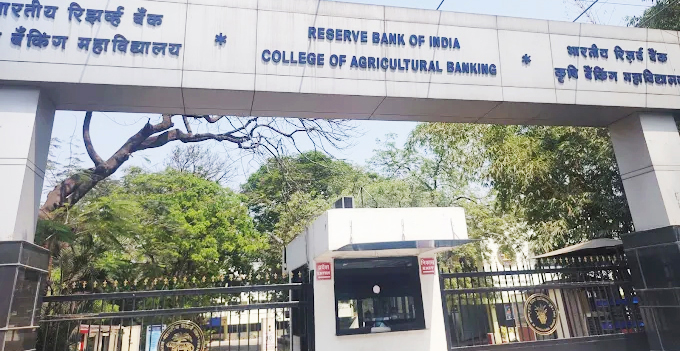
The issue of directors’ tenure emerged as the most contentious subject during the stakeholder consultation held by the Reserve Bank of India’s (RBI) Committee on the proposed Model Bye-laws for Urban Cooperative Banks (UCBs) in College of Agricultural Banking, RBI, University Road, Pune on Thursday.
The consultation brought together cooperative banking experts, representatives of UCBs, federations and sector bodies to discuss the proposed governance framework for the sector.
Among those present were cooperative banking experts Vidyadhar V. Anaskar and Atul Khirwadkar, Pune Urban Cooperative Banks Association Honorary Secretary Subhash Mohite, Janata Sahakari Bank, Pune Chairman Ravindra Hejib, Sharad Sahakari Bank CEO Rajendra Deshmukh, along with representatives of several UCBs and cooperative organisations.
A majority of participants opposed the inclusion of provisions relating to directors’ tenure in the proposed Model Bye-laws, arguing that such a move would interfere with the democratic functioning of cooperative banks and undermine the legal challenges currently pending before courts in several states.
Presenting his views, Vidyadhar Anaskar cautioned against incorporating directors’ tenure provisions by invoking Section 10A of the Banking Regulation Act, 1949, through the Model Bye-laws. He argued that once such a provision is incorporated into the Model Bye-laws, cooperative banks would be compelled to adopt it, effectively rendering the ongoing legal challenges infructuous even though the matter is still pending before various courts.
Another major issue raised almost unanimously was the proposed reproduction of provisions of the Banking Regulation Act, 1949, and RBI directions in the Model Bye-laws.
Stakeholders argued that such provisions already prevail over State Cooperative Acts and existing bye-laws and, therefore, their inclusion would only result in unnecessary duplication.
Instead, they suggested incorporating a single enabling clause stating that the provisions of the Banking Regulation Act, 1949, and all directions, guidelines and instructions issued by the Reserve Bank of India from time to time shall apply to the bank. This, they said, would eliminate the need to amend the bye-laws every time the Act or RBI regulations are revised.
Participants reiterated that UCBs are cooperative institutions engaged in banking, not commercial banks, and therefore require a governance framework that preserves their cooperative character. While welcoming the RBI’s initiative to strengthen governance, they stressed that reforms should protect democratic control, member ownership and the autonomy of elected boards.
The consultation strongly endorsed the principle of “Professionalisation without Corporatisation.” Stakeholders supported greater professionalism, stronger risk management, enhanced cyber security and improved compliance, but maintained that the elected board should remain the supreme policy-making authority, with the Board of Management playing only a supportive role.
Participants also urged the RBI not to replicate governance structures designed for commercial banks. Key recommendations included introducing tier-wise Model Bye-laws, safeguarding the “one member, one vote” principle, protecting member ownership, and incorporating provisions relating to digital banking, cyber security and customer protection.
The RBI Committee will examine the suggestions received before finalising the Model Bye-laws. It is learnt that similar stakeholder consultations will also be held in Gujarat, Karnataka, Andhra Pradesh and other states to gather feedback from UCBs and sector representatives before the framework is finalised.