





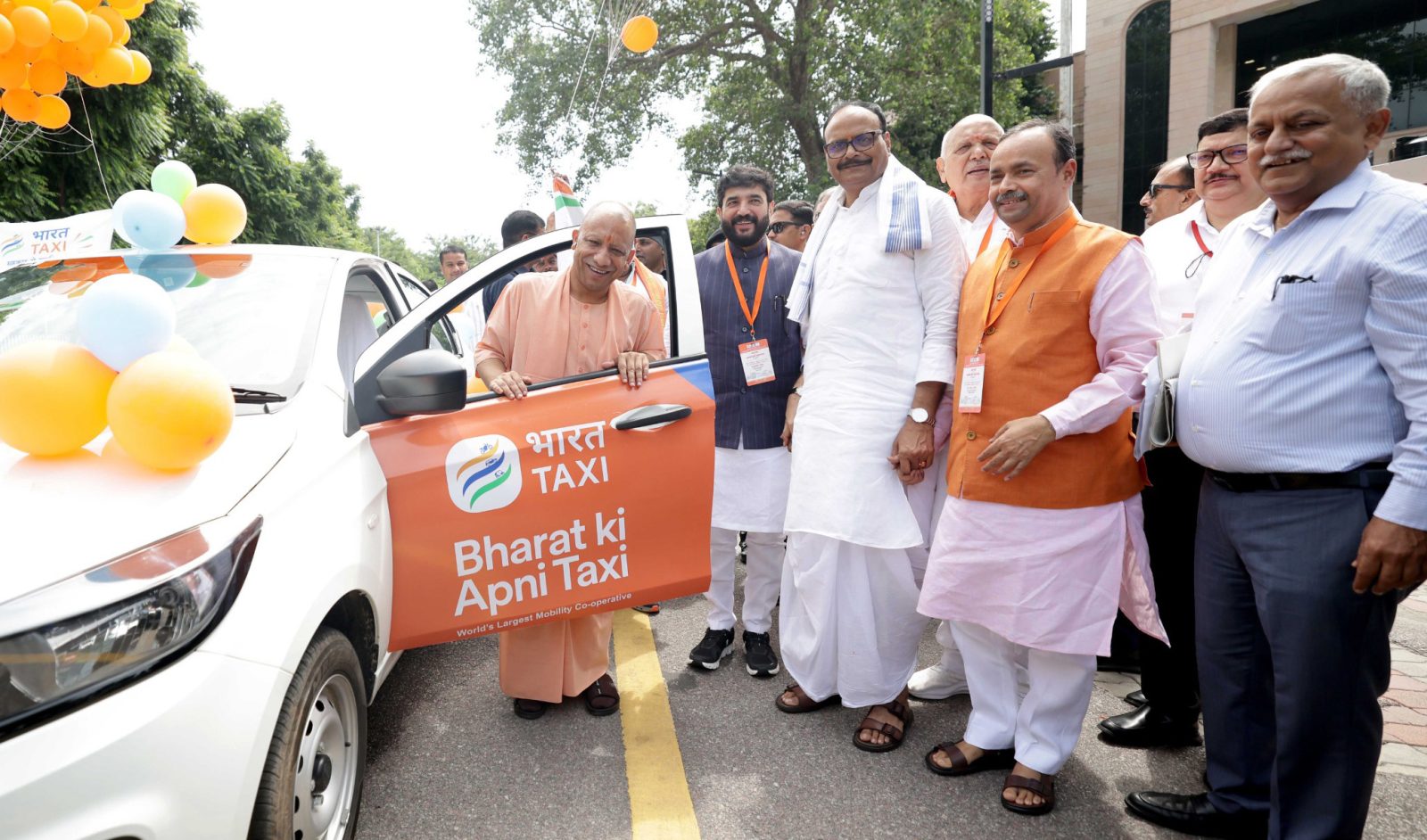
Bharat Taxi, the cooperative mobility initiative based on the principle of “Driver is the Owner”, was formally launched in Uttar Pradesh on Wednesday, with its services rolled out simultaneously in Lucknow, Gorakhpur, Varanasi, Kanpur and Prayagraj.
Union Minister of State for Cooperation Murlidhar Mohol, addressing the launch programme in Lucknow, said the initiative represented the expansion of the cooperative movement into new and emerging sectors. He said Bharat Taxi seeks to make drivers, or Saarthis, genuine stakeholders by giving them ownership and participation in decision-making, rather than treating them merely as service providers.
Mohol said more than 10 lakh Saarthis had joined Bharat Taxi within six months of its launch in February 2026, while around 20,000 rides were being completed every day. Nearly 40 lakh passengers have also joined the service, while more than Rs 100 crore has been credited directly to Saarthis’ accounts during the period.
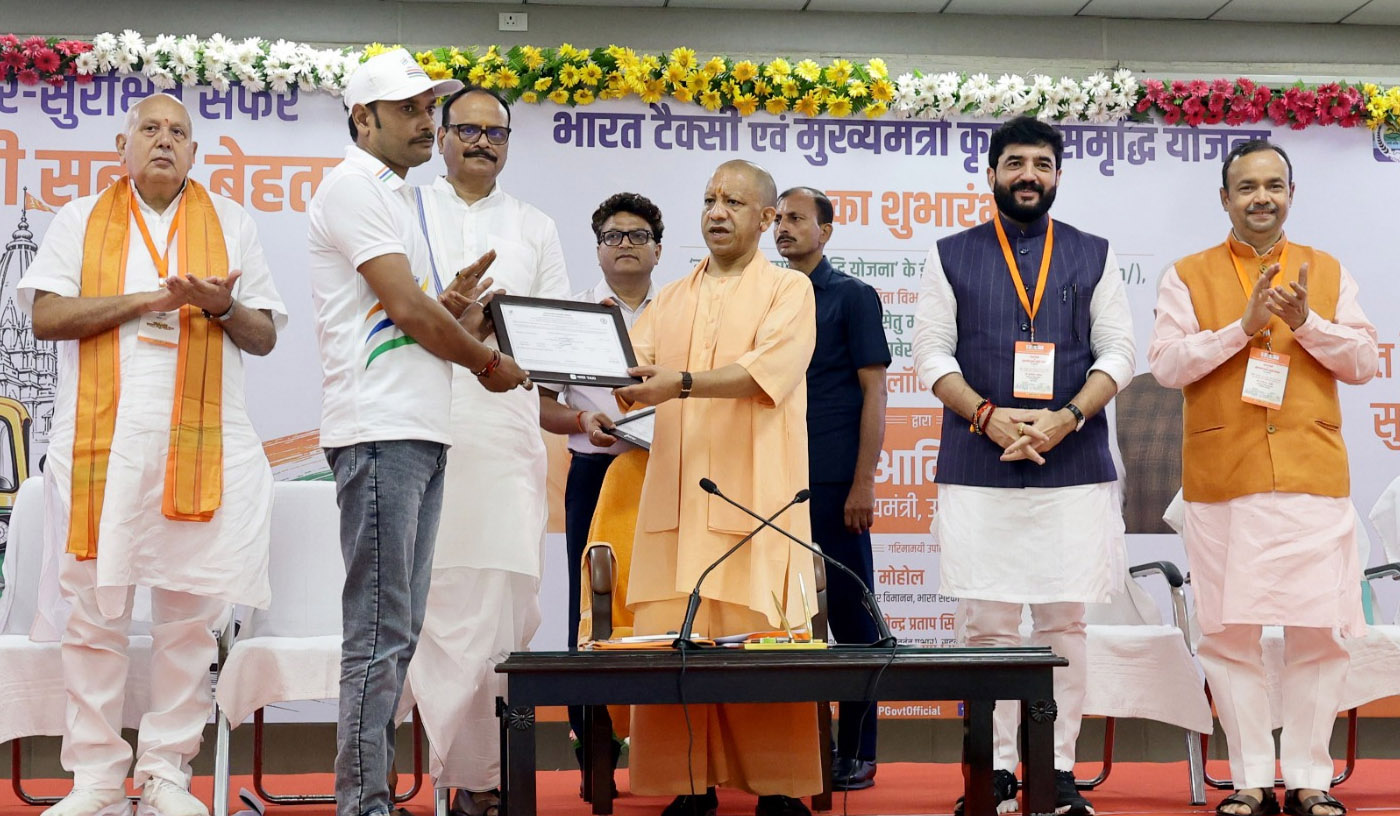 With the addition of the five Uttar Pradesh cities, around 40,000 Saarthis have already registered and are expected to begin providing services. Bharat Taxi is already operating in several parts of the country, including Delhi, Gujarat, Mumbai, Jaipur and Chandigarh.
The Uttar Pradesh launch also saw the rollout of the ‘Mukhyamantri Krishak Samriddhi Yojana’ portal, the Urvarak Setu mobile application and the Uttar Pradesh Cooperative Database Centre mobile app. The Airport Authority, Lucknow Metro Rail and Lucknow Police also exchanged Memoranda of Understanding with Bharat Taxi.
Mohol said the cooperative sector had expanded significantly since the establishment of the Ministry of Cooperation in July 2021. He noted that India now has around 8.5 lakh cooperative societies with nearly 32 crore members, while the sector operates across about 30 areas.
He highlighted the computerisation of nearly 80,000 PACS at an estimated cost of Rs 3,000 crore. Under the revised Model Bye-Laws, PACS can undertake more than 25 economic activities, including foodgrain storage, insurance, organic products, indigenous seeds, Common Service Centres, Jan Aushadhi Kendras and fuel distribution.
In Uttar Pradesh, more than 54 lakh new cooperative members, including about 17.5 lakh farmers, have been enrolled through the M-PACS membership campaign. Around 6,300 PACS are being computerised, while more than 1,200 new M-PACS, dairy, fisheries and other societies have been formed since April 2026.
The Minister also highlighted the creation of national-level cooperative institutions for seeds, organic products and exports, with around 70,000 societies associated with them. He said White Revolution 2.0 aims to raise milk production capacity by about 40 percent, while Tribhuvan Sahkari University is expected to develop trained human resources for the cooperative sector.
Mohol said the expansion of cooperation into mobility through Bharat Taxi reflects the widening scope of the movement and its role in creating new opportunities for farmers, workers, youth, women and small entrepreneurs.
The source specifically records the Lucknow launch and expansion into the four other Uttar Pradesh cities, along with the membership, PACS computerisation and Bharat Taxi figures.