






The Government of India has constituted a High-Level Committee on Banking for Viksit Bharat to undertake a comprehensive review of the country’s banking sector and recommend structural, institutional, regulatory and legislative reforms aligned with the vision of Viksit Bharat 2047.
Significantly, the committee has been specifically mandated to review the existing regulatory and legal frameworks governing Regional Rural Banks (RRBs) and Cooperative Banks, making its recommendations particularly relevant for the cooperative banking sector.
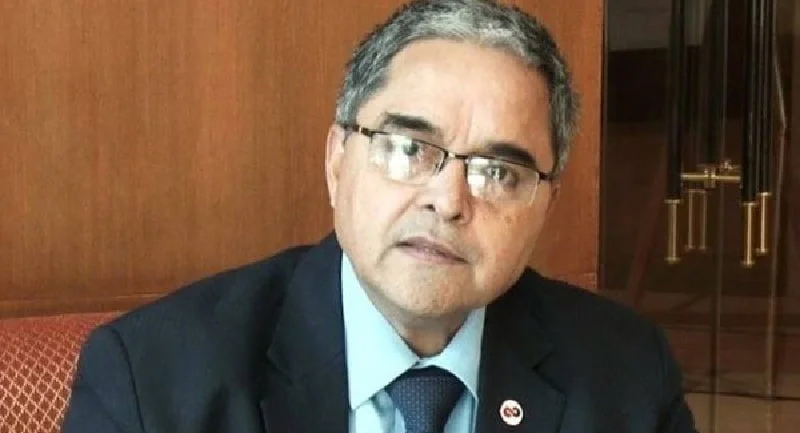
The committee will be chaired by Suresh N. Patel, former Central Vigilance Commissioner. Its members include Shirish Chandra Murmu, Deputy Governor of the Reserve Bank of India; Padmaja Chunduru, former Managing Director and CEO of Indian Bank; and N. S. Vishwanathan, former RBI Deputy Governor. The Joint Secretary (Banking), Department of Financial Services, will serve as the Member Secretary.
The committee will have a tenure of six months.
The constitution of the committee follows the announcement made by Union Finance Minister Nirmala Sitharaman in her Budget speech for 2026-27. According to the Ministry of Finance, its objective is to make India’s banking system globally competitive, financially inclusive and resilient while preparing it for the country’s long-term developmental requirements.
One of the important terms of reference is to examine the existing regulatory and legal frameworks for banks, including cooperative banks and RRBs, and suggest reforms that can improve efficiency and facilitate ease of banking. This exercise could have implications for the functioning, regulatory environment and institutional development of cooperative banks.
The committee will also assess existing banking practices and prudential norms, identify relevant global best practices and suggest ways to adapt them to Indian conditions. It will prepare a roadmap for developing globally competitive banks.
Another major area of examination will be the long-term capital requirements of banks, Development Financial Institutions (DFIs) and Non-Banking Financial Companies (NBFCs). The panel will recommend suitable funding sources and mechanisms to support credit growth.
The committee will further examine differences in the cost of capital for businesses and suggest policy measures to encourage private investment and sustainable economic growth.
Technology and digital transformation will also figure prominently in its deliberations. It has been asked to prepare a roadmap for artificial intelligence and digital innovation in banking institutions, while recommending safeguards against cyber risks. Talent acquisition and capacity building for a future-ready banking workforce will also be examined.
In addition, the panel will review the Priority Sector Lending framework and the Lead Bank Scheme to assess their relevance, effectiveness and coordination in ensuring inclusive, balanced and data-driven credit delivery.
For cooperative banks, the proposed review of regulatory and legal provisions assumes particular significance, given their role in extending financial services to rural communities, farmers, small businesses and other underserved sections.
The committee’s recommendations are expected to provide a roadmap for reshaping India’s banking architecture to meet the financial requirements of a rapidly developing economy.