
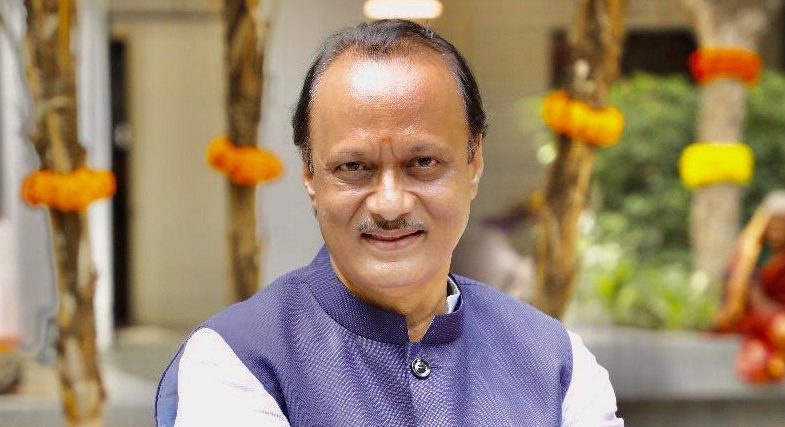
Maharashtra is in deep shock following the reported death of Deputy Chief Minister Ajit Pawar, a veteran leader of the state’s cooperative movement, in a plane crash near Baramati. Early reports indicate the aircraft went down during landing, killing all onboard, including Pawar.
Sharing details of the plane crash, Baramati airport manager Shivaji Taware told Hindustan Times, “The aircraft VT SSK was attempting a landing, and the aircraft went off the side of the runway and crashed.” He said the aircraft was a Learjet 45 that had been chartered from Mumbai.
Prime Minister Narendra Modi and Union home minister Amit Shah spoke to Maharashtra chief minister Devendra Fadanvis to get details and updates on the situation
Ajit Pawar’s life and career were profoundly intertwined with Maharashtra’s cooperative sector, a cornerstone of the state’s rural economy. His journey began at the age of 22, when he became a director at Pune District Central Cooperative Bank (PDCCB). Over the next two to three decades, he rose to become Chairman of PDCCB, while also wielding significant influence over Satara DCCB and other district cooperative institutions.
Under his leadership, PDCCB’s turnover grew from Rs 558 crore to over Rs 20,000 crore, establishing it as one of India’s most prominent cooperative banks. He also served for many years as a director of the Maharashtra State Cooperative Bank (MSC Bank) and briefly held the position of its chairman.
Pawar’s influence extended far beyond cooperative banking. He controlled or guided 5–6 cooperative and private sugar factories, including Malegaon and Baramati Sugar Factories, and had significant influence over APMCs and milk cooperatives, creating a powerful network that connected rural producers with markets and development programs.
He was also the founder of Baramati Urban Cooperative Bank and served as Cooperation Minister, cementing his leadership across Maharashtra’s cooperative landscape.
In 2025, he contested the Malegaon Cooperative Sugar Mill board elections, his first such election in nearly 40 years, and his panel won key positions, further consolidating his influence in the cooperative sugar sector.
During his decades-long tenure, he modernized cooperative banking, expanded credit for sugarcane farmers, and integrated cooperatives with state development programs, strengthening rural livelihoods across Maharashtra.
MSC Bank Administrative Board Chairman Vidyadhar Anaskar expressed profound grief, recalling that he had spoken to Ajit Pawar over the phone the previous night, around 10:48 pm, regarding some official matters. “We never imagined this could happen,” Anaskar said, paying heartfelt condolences for the untimely loss of a stalwart of both the cooperative movement and Maharashtra’s political landscape.
Beyond cooperatives, Pawar leveraged his leadership to build a long and influential political career, serving multiple terms as Deputy Chief Minister. His sudden demise has left a deep void in politics, cooperatives, and rural Maharashtra, with leaders, farmers, and cooperators remembering him as a visionary who bridged grassroots institutions with state governance, leaving a lasting legacy in the cooperative and agricultural sectors.