






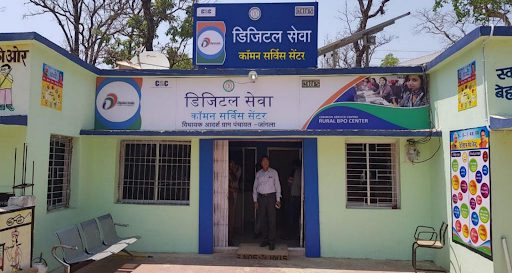
More than 55,500 Primary Agricultural Credit Societies (PACS) across India are functioning as Common Service Centres (CSCs), taking over 300 digital and citizen-centric services closer to rural households. The Ministry of Cooperation has highlighted the initiative under its PACS se Pragati campaign, describing it as an effort to expand digital access and empower rural India.
The services available through these cooperative institutions include banking, insurance, Aadhaar enrolment and updates, PAN card-related services, health services and railway, bus and air ticket booking. By making PACS local access points for digital services, the initiative seeks to reduce the need for villagers to travel to distant towns for routine transactions and essential facilities.
The programme is being implemented through a partnership involving the Ministry of Cooperation, the Ministry of Electronics and Information Technology (MeitY), the National Bank for Agriculture and Rural Development (NABARD), and CSC e-Governance Services India Limited. The collaboration enables PACS to operate as village-level digital service delivery centres.
According to official figures released by the government, 55,514 PACS had started providing CSC services to rural citizens by July 2026. This marks a significant expansion from the 40,214 societies reported as providing such services in November 2024, reflecting the growing role of cooperatives in the country’s digital inclusion efforts.
The initiative also seeks to diversify the traditional role of PACS, which have historically been associated primarily with agricultural credit. With the adoption of model bye-laws allowing them to undertake more than 25 business activities, these societies are being encouraged to emerge as multipurpose institutions serving a wider range of rural economic and social needs.
The digital services programme complements the Centre’s PACS computerisation initiative, which aims to bring societies onto a common Enterprise Resource Planning (ERP) platform. The system is designed to improve accounting, transparency, operational efficiency and coordination with District Central Cooperative Banks and State Cooperative Banks.
The Ministry has emphasised that stronger digital capabilities can help PACS expand their revenue streams while improving the delivery of services at the grassroots level. Training and capacity-building support for PACS personnel is also part of the broader effort to equip them to handle digital transactions and citizen services effectively.
By combining the cooperative network’s local reach with digital infrastructure, the government aims to make PACS more financially sustainable and relevant to everyday rural life. The initiative reinforces the broader vision of Sahkar Se Samriddhi, seeking to turn village-level cooperatives into accessible service centres that support financial inclusion, digital literacy and inclusive rural development.