





Observed every year on 26 November, National Milk Day commemorates the birth anniversary of Dr. Verghese Kurien, the Father of India’s White Revolution. The occasion celebrates India’s remarkable dairy journey and honours millions of farmers who have made the country the world’s largest milk producer.
India contributes nearly one-fourth of global milk production. Milk output increased by 69.41%, rising from 146.31 million tonnes in 2014-15 to 247.87 million tonnes in 2024-25, registering an annual growth rate of 5.41%. Per capita milk availability rose by 52.03% to 485 grams per day, while average bovine milk productivity increased from 1,640 kg to 2,800 kg per animal annually. Uttar Pradesh, Rajasthan, Madhya Pradesh, Gujarat and Maharashtra together contribute over 54% of the country’s milk production.
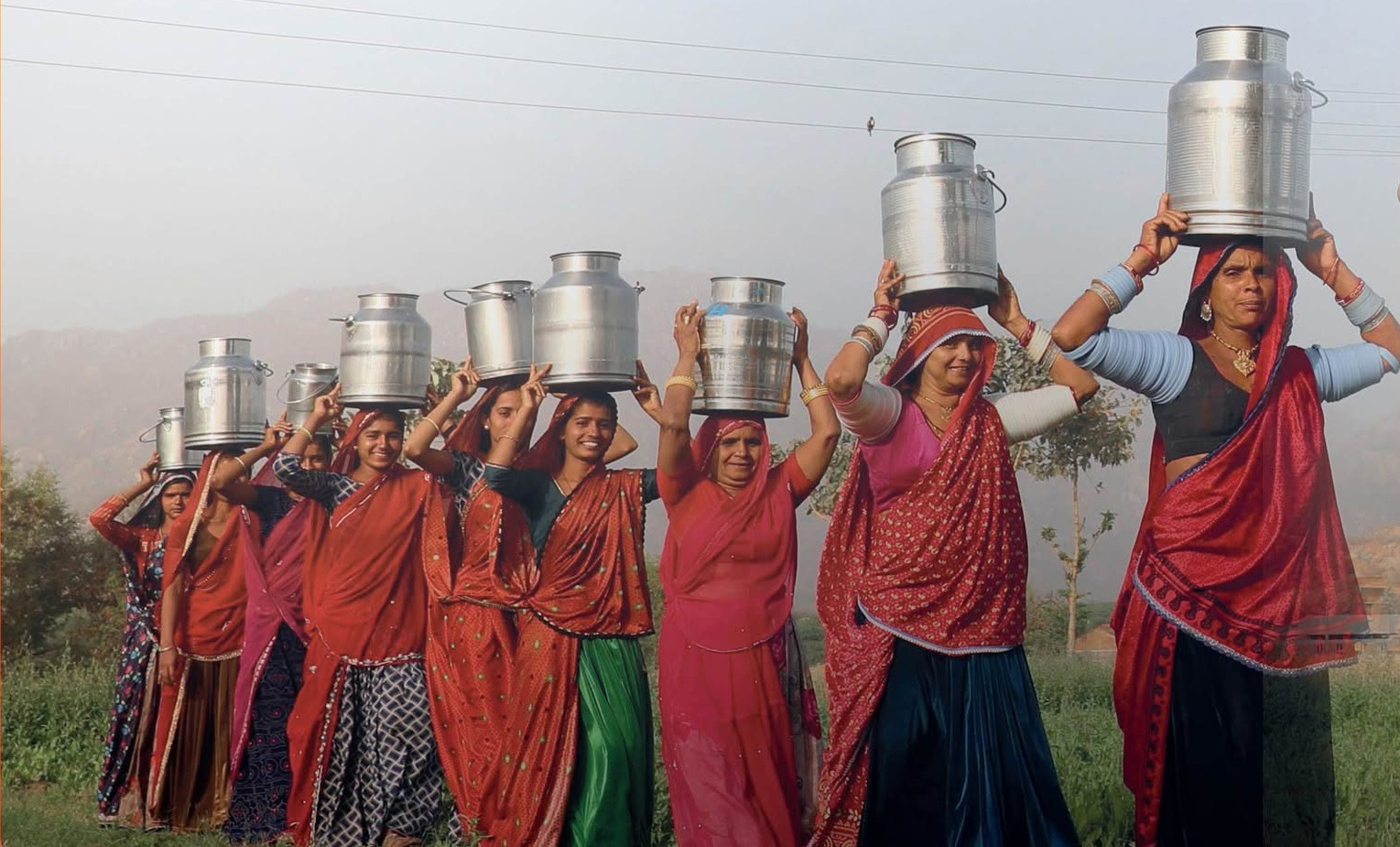
Dairying supports approximately 8.5 crore rural households, with women accounting for nearly 70% of the dairy workforce. India’s cooperative network connects 1.65 crore farmers across approximately 2.45 lakh villages through 22 milk federations and 241 district cooperative milk unions. NDDB Dairy Services has established 25 Milk Producer Organisations, including 18 entirely women-led organisations, covering over 13 lakh milk producers across 12 States.
White Revolution 2.0, launched in December 2024, aims to increase cooperative milk procurement by 50% over five years. It targets 75,000 new Dairy Cooperative Societies and the strengthening of 46,422 existing societies by 2028-29. By October 2026, 24,097 new societies had been established and 31,394 strengthened.
Government initiatives such as the National Programme for Dairy Development, Rashtriya Gokul Mission and Animal Husbandry Infrastructure Development Fund are strengthening dairy infrastructure, scientific breeding, livestock productivity and animal healthcare. Achievements include over 18.71 crore artificial inseminations, 4,019 operational Mobile Veterinary Units and more than 39.42 crore Pashu Aadhaar issued for digital livestock identification.
Sustainability is also emerging as a key priority. Initiatives such as GOBARdhan promote converting cattle dung and agricultural residues into biogas, organic manure and bio-fertilisers, supporting clean energy, waste management and additional rural livelihoods.
India’s dairy sector is also expanding its global footprint. During 2025-26, the country exported 97,524.82 metric tonnes of dairy products, earning USD 407.12 million, with major destinations including the UAE, Saudi Arabia, the USA, Bhutan and Bahrain.
National Milk Day is more than a celebration of milk production. It recognises the contribution of millions of farmers, particularly women, whose efforts strengthen India’s nutritional security, rural economy and global dairy leadership. Carrying forward Dr. Verghese Kurien’s legacy, India’s dairy revolution continues to drive inclusive growth and farmer prosperity.