







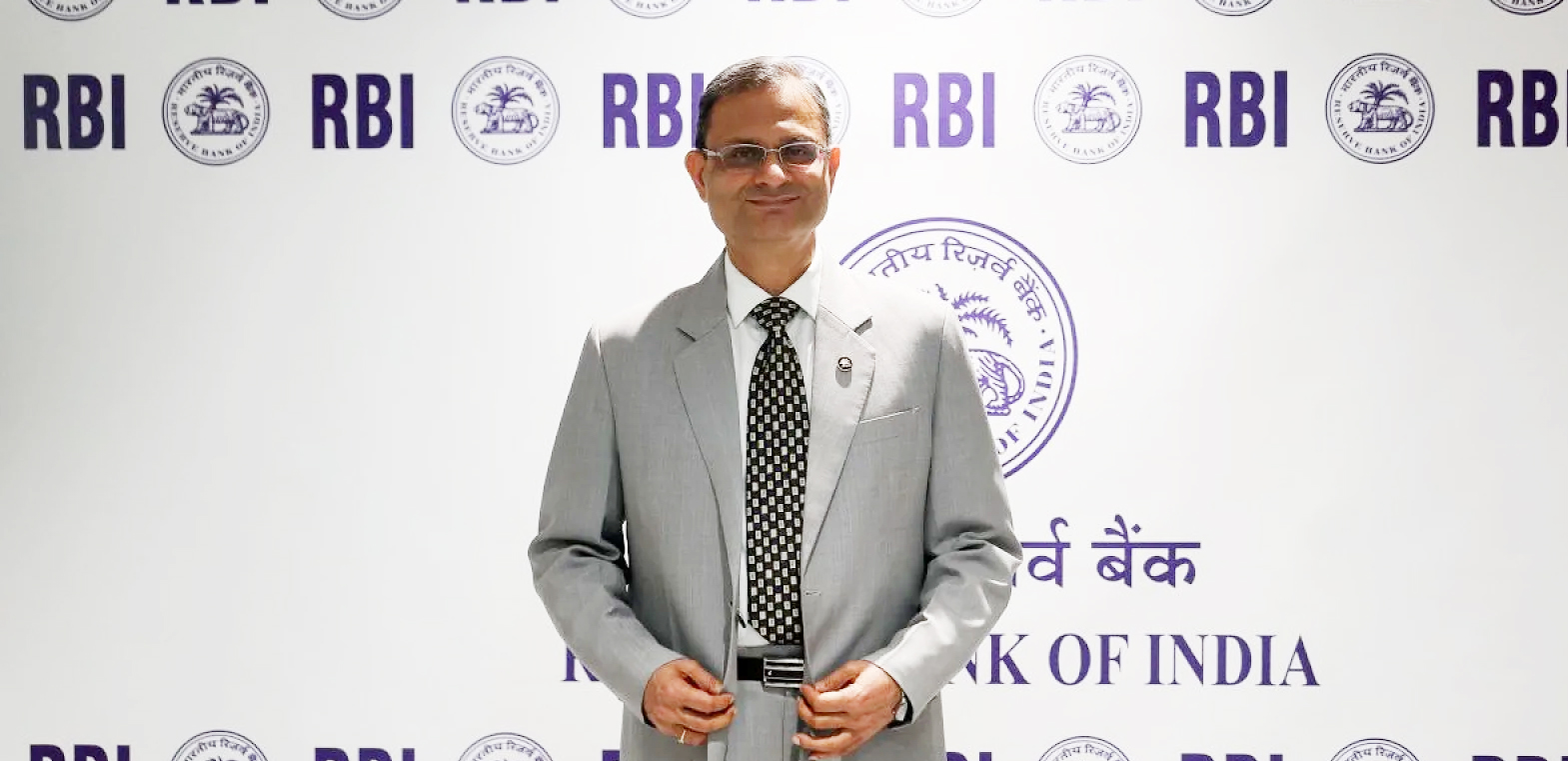
In a major policy announcement for India’s cooperative banking sector, Reserve Bank of India (RBI) Governor Sanjay Malhotra on Wednesday unveiled two significant measures aimed at strengthening cooperative banks.
The measures include draft guidelines for the resumption of ‘on-tap’ licensing of Urban Co-operative Banks (UCBs) and a comprehensive review of the Concentration Risk Management framework for Rural Co-operative Banks (RCBs).
The announcements formed part of the RBI’s Statement on Developmental and Regulatory Policies, released alongside the Monetary Policy decisions.
Before concluding his policy statement, Malhotra highlighted the two initiatives for the cooperative sector.
“On the basis of the feedback received on the discussion paper on licensing of UCBs, we are issuing draft guidelines for resuming licensing of UCBs,” the Governor said.
The RBI noted that it had released a discussion paper on January 13, 2026, seeking stakeholder feedback on the resumption of UCB licensing after a gap of nearly two decades. Following an assessment of the responses received, the central bank has decided to restart licensing of Urban Co-operative Banks on an ‘on-tap’ basis. Draft guidelines will be issued shortly for stakeholder consultation.
The second initiative concerns the prudential norms governing Concentration Risk Management for Rural Co-operative Banks. The existing Credit Monitoring Arrangement (CMA) framework, introduced in 2008, has been comprehensively reviewed in view of the significant changes and expansion in the cooperative banking sector over the years.
According to the RBI, the proposed amendments aim to promote a vibrant cooperative banking sector while addressing prudential concerns arising from concentrated lending. Draft Amendment Directions will be issued for wider stakeholder consultation.
Separately, the RBI also proposed to rationalise the regulatory framework governing interest rates on advances across all Regulated Entities (REs) through a principle-based approach.
The proposed reforms seek to harmonise lending rate guidelines while maintaining proportionality, streamline operational aspects of the Marginal Cost of Funds-based Lending Rate (MCLR) and External Benchmark-based Lending Rate (EBLR) frameworks, and standardise market practices relating to interest charging, including day-count conventions and benchmark reset dates.
According to the RBI, these measures are intended to enhance transparency in loan pricing, ensure greater uniformity across regulated entities, strengthen monetary policy transmission, and improve consumer protection.