
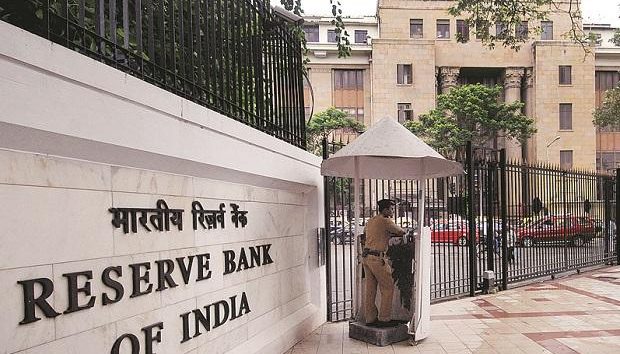
The Reserve Bank of India (RBI) on Monday introduced a comprehensive customer protection framework for Urban Cooperative Banks (UCBs) and Rural Cooperative Banks (RCBs), bringing stricter rules on the advertising, marketing and sale of financial products and services.
The new directions, effective from January 1, 2027, are aimed at curbing mis-selling, strengthening customer consent requirements and improving transparency in the sale of both bank-owned and third-party financial products.
Under the framework, cooperative banks will be required to obtain explicit customer consent before offering or selling any financial product or service. Banks must clearly disclose key features, charges, interest rates, risks, lock-in conditions and exit terms before obtaining such consent.
For the first time, RBI has formally defined mis-selling in the cooperative banking sector. The definition includes the sale of unsuitable products, misleading or incomplete disclosures, sales without customer consent, compulsory bundling of products and other practices identified as mis-selling by financial regulators.
Banks will also be required to assess whether certain products are suitable and appropriate for customers based on factors such as age, income, financial literacy and risk profile.
In a significant move, RBI has prohibited the use of dark patterns, deceptive digital practices that manipulate customer decisions. The regulator has identified practices such as false urgency, basket sneaking, subscription traps, interface interference, bait-and-switch tactics and disguised advertisements as unacceptable.
The directions also require digital consent systems to ensure that customers review terms and conditions before giving consent. The default option for consent must be set to “No” or “I do not agree”.
RBI has further tightened oversight of Direct Selling Agents (DSAs) and Direct Marketing Agents (DMAs), requiring cooperative banks to maintain public lists of such agents, conduct due diligence and establish codes of conduct.
Where mis-selling is established, banks will be required to refund the entire amount paid by the customer and compensate for losses as per their approved policies.
The RBI said the revised framework was finalised after considering stakeholder feedback on draft directions released in February 2026.