






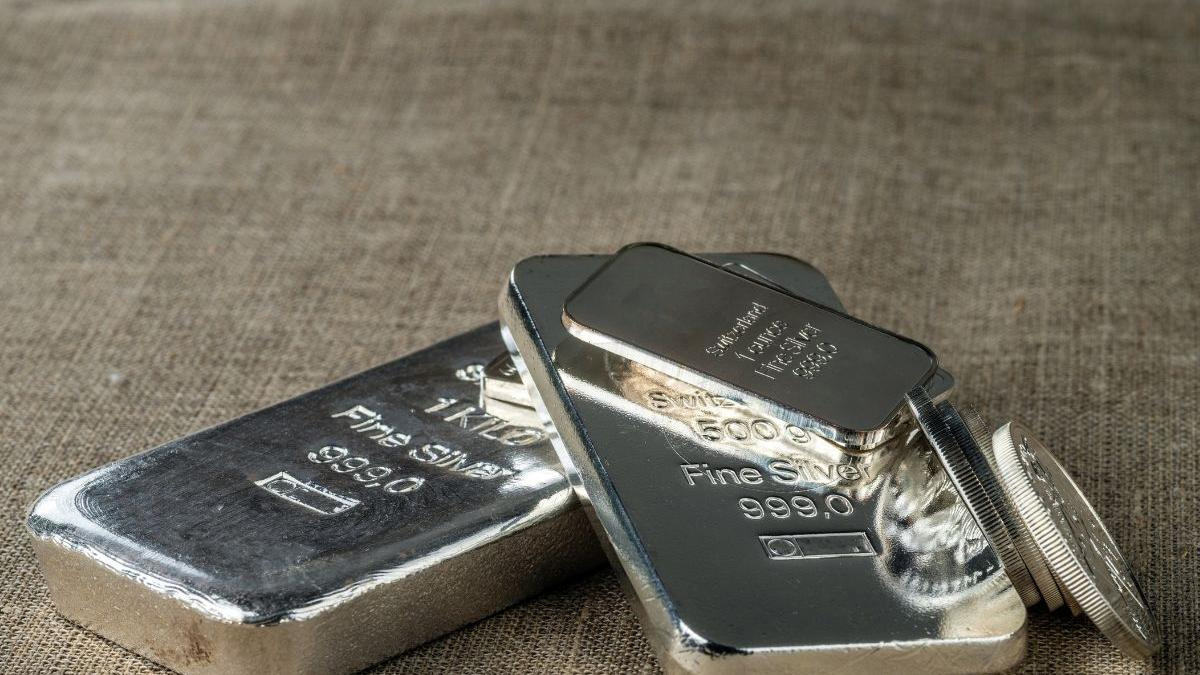
Co-operative banks across the country will soon be allowed to offer loans against silver collateral, following new guidelines issued by the Reserve Bank of India (RBI). The move is expected to widen access to credit, especially for rural and semi-urban borrowers who possess silver assets but may not have gold to pledge.
The development was announced in the Lok Sabha by Minister of State for Finance Pankaj Chaudhary in response to a question raised by MP M. K. Raghavan. According to the minister, co-operative banks will be permitted to provide loans against silver from April 1, 2026 under a uniform regulatory framework.
The new norms stem from comprehensive directions issued by the RBI on June 6, 2025, governing lending against gold and silver collateral. These provisions were later incorporated into broader “Credit Facilities” directions issued on November 28, 2025. The rules will apply uniformly to commercial banks, co-operative banks and non-banking financial companies (NBFCs) from April 1, 2026.
Under the guidelines, the maximum loan-to-value (LTV) ratio for consumption loans up to Rs 2.5 lakh has been capped at 85 percent. This means lenders can provide loans worth up to 85 percent of the value of the pledged silver.
Banks will be required to follow a standardised assaying procedure to determine the purity and weight of the silver being pledged. Valuation of the collateral will be based on the lower of the 30-day average price or the previous day’s closing price published by the India Bullion and Jewellers Association or by a SEBI-regulated commodity exchange.
The RBI has also laid down detailed rules covering loan documentation, collateral management, auction procedures and borrower communication. Lenders will have to ensure that loan terms and related information are communicated in the regional language or in a language chosen by the borrower.
The guidelines include several safeguards to protect borrowers. These include transparent valuation of the pledged silver, advance notice before any auction of the collateral in case of default, and refund of any surplus amount to the borrower if the auction fetches a higher price than the outstanding loan.
Loans against precious metals are widely used in India as a quick source of short-term credit for households, traders and small businesses. While gold-backed lending has traditionally dominated this segment, the inclusion of silver as eligible collateral is expected to expand the market.
In many parts of rural India, households hold significant quantities of silver jewellery, utensils and ornaments. Financial experts say allowing silver to be pledged under regulated lending norms could help many such households access formal credit instead of relying on informal moneylenders.
The new framework is also aimed at bringing greater transparency and uniformity to precious-metal lending, while ensuring proper risk management for financial institutions. By standardising procedures and valuation norms, the RBI hopes to strengthen consumer protection and improve trust in the lending system.