






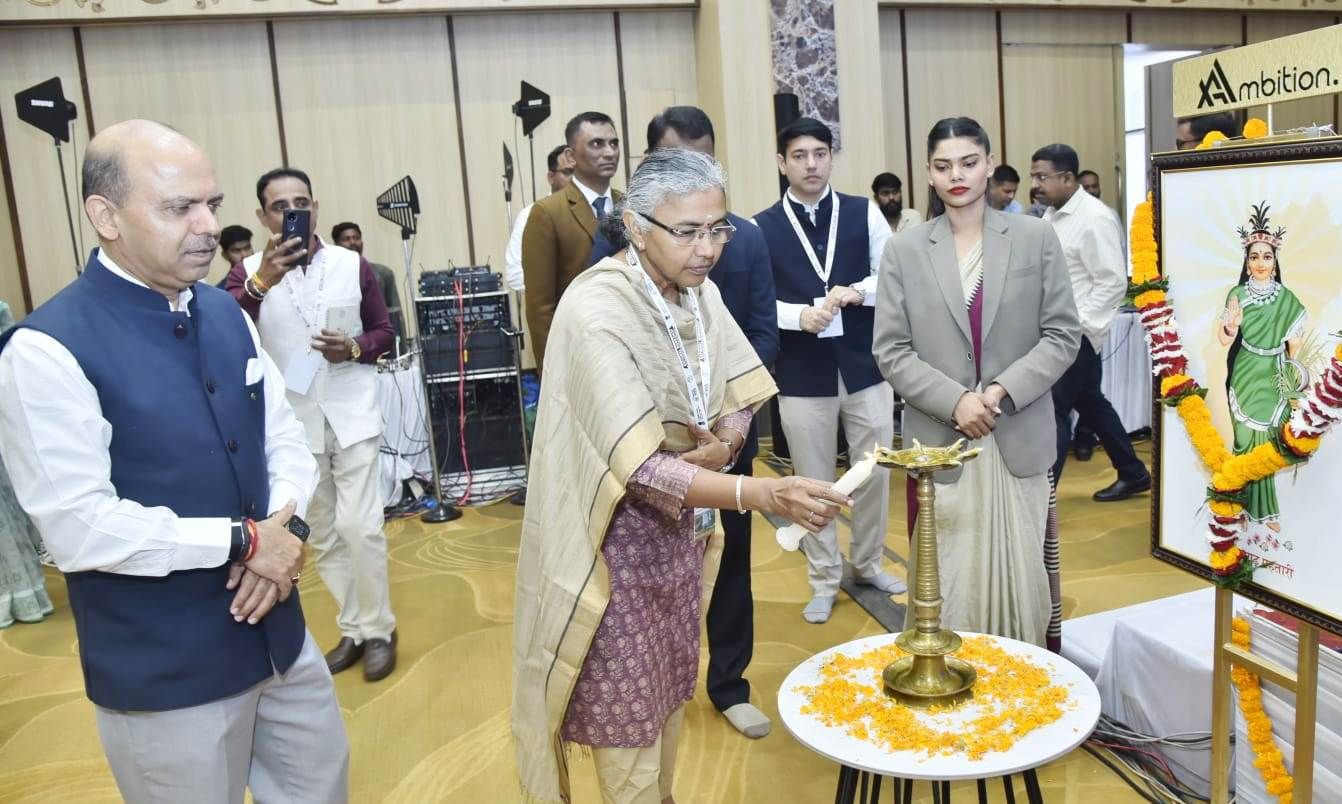
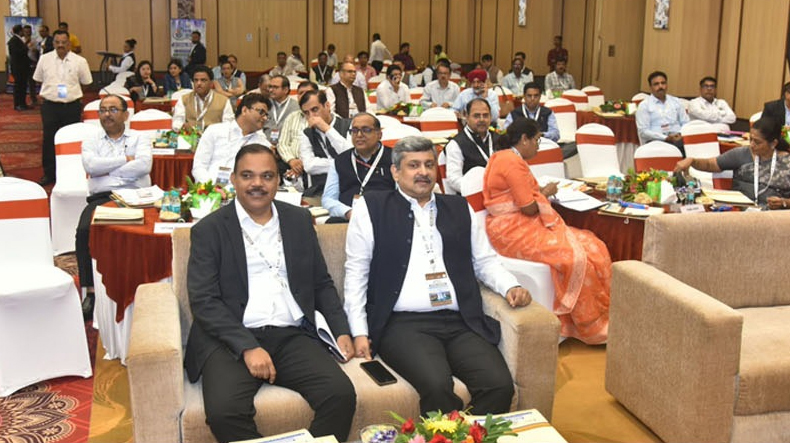
The Ministry of Cooperation began its two-day 9th National Review Workshop in Bastar, Chhattisgarh, on October 8, bringing together senior State officials, Registrars of Cooperative Societies, national cooperative institutions and other stakeholders to accelerate cooperative transformation.
Held under the theme ‘Sahkar se Samriddhi — The Road Ahead: Scaling Impact through Cooperative Transformation’, the workshop seeks to review major initiatives, exchange successful practices and prepare concrete action plans for the next three months.
The initiative, guided by Prime Minister Narendra Modi’s vision of ‘Sahkar Se Samriddhi’ and under the leadership of Union Home Minister and Minister of Cooperation Amit Shah, carries special significance as Bastar has long been affected by Left Wing Extremism.
Secretary Dr. Ashish Kumar Bhutani said the suggestion to organise the workshop in Bastar came from Shah himself. He stressed that discussions must translate into measurable grassroots outcomes through stronger coordination, institutional collaboration and wider adoption of successful models.
Addressing the inaugural session, Bhutani underscored democratic governance, transparency, accountability and adherence to cooperative principles. Highlighting the importance of cooperative banks in extending financial services to rural and semi-urban populations often underserved by commercial banks, he said institutional autonomy must go hand in hand with accountability and effective supervision. He urged State Registrars to strengthen monitoring and take a more proactive role, warning that governance failures could undermine the credibility of the entire cooperative sector.
 The Ministry is coordinating with the Reserve Bank of India to improve cooperative banks’ resource mobilisation and expand concessional finance for farmers and other stakeholders. Modern technology, stronger risk management and enhanced customer confidence were identified as priorities.
Participation by NABARD and a dedicated session with the National Cooperative Development Corporation (NCDC) were expected to facilitate discussions on financing cooperative initiatives and addressing State-specific requirements.
Bhutani highlighted the recent amendment to the NCDC Act, which enables financial assistance to institutions that are not themselves cooperatives but work to promote cooperative development. This creates new financing opportunities for State-level institutions, which were urged to coordinate effectively and utilise the expanded avenues.
The workshop also focuses on strengthening dairy cooperatives, developing value chains, improving human resource policies, building institutional capacity and encouraging innovation. Bhutani called on States to share successful experiments, including initiatives in emerging fields such as electric vehicles, so that proven practices can be replicated nationally.
A proposed common digital marketing platform for cooperative products and agricultural produce is another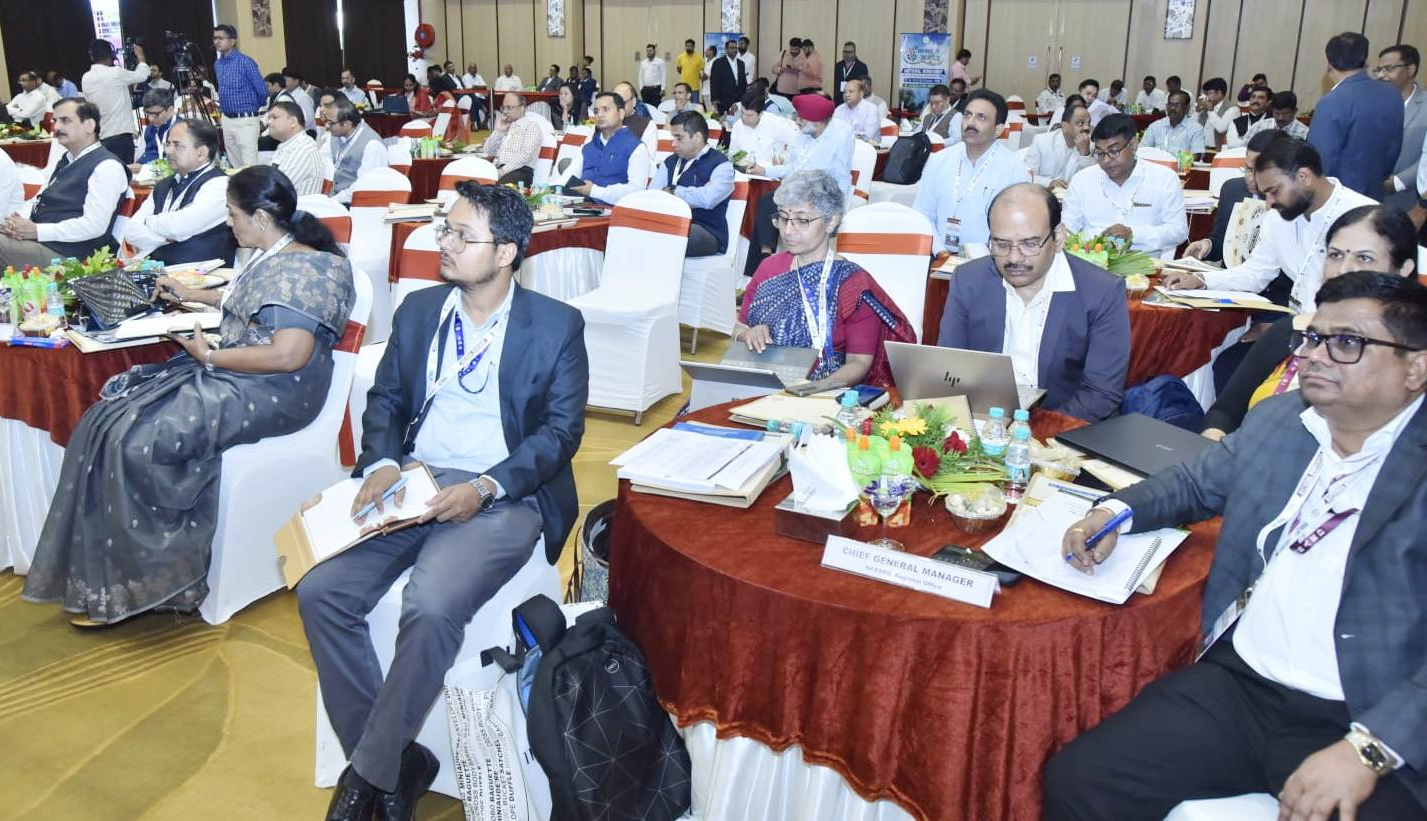 key agenda item. With the Open Network for Digital Commerce (ONDC) offering support, the Ministry will seek suggestions from States to develop a practical mechanism connecting cooperatives with wider markets. Participants will also examine ways to link Primary Agricultural Credit Societies (PACS) and tribal cooperatives with State and national federations to improve market access and secure remunerative prices.
States were asked to evaluate PACS’ participation in government procurement, examining commissions earned, actual economic benefits, payment delays and financial viability. The findings could help develop replicable models for the country.
Chief Secretary of Chhattisgarh Vikas Sheel assured the State government’s full support and expressed confidence that the workshop would produce practical solutions.
The first day reviewed three-month achievements and future priorities covering multipurpose PACS, computerisation, the World’s Largest Grain Storage Plan, business diversification, cooperative banking and initiatives involving NCEL, NCOL, BBSSL and NCDC.
Thematic sessions addressed cooperative growth in northeastern and eastern frontier States, including Left Wing Extremism-affected districts of Chhattisgarh and Odisha; stronger credit delivery and technology adoption; and the empowerment of primary cooperatives through national institutions. Discussions also covered new value chains through Multipurpose Primary Cooperatives and Multipurpose Cooperative Committees.
The workshop aims to convert State experiences and identified challenges into practical guidelines, stronger institutions and sustainable benefits for cooperative members.