





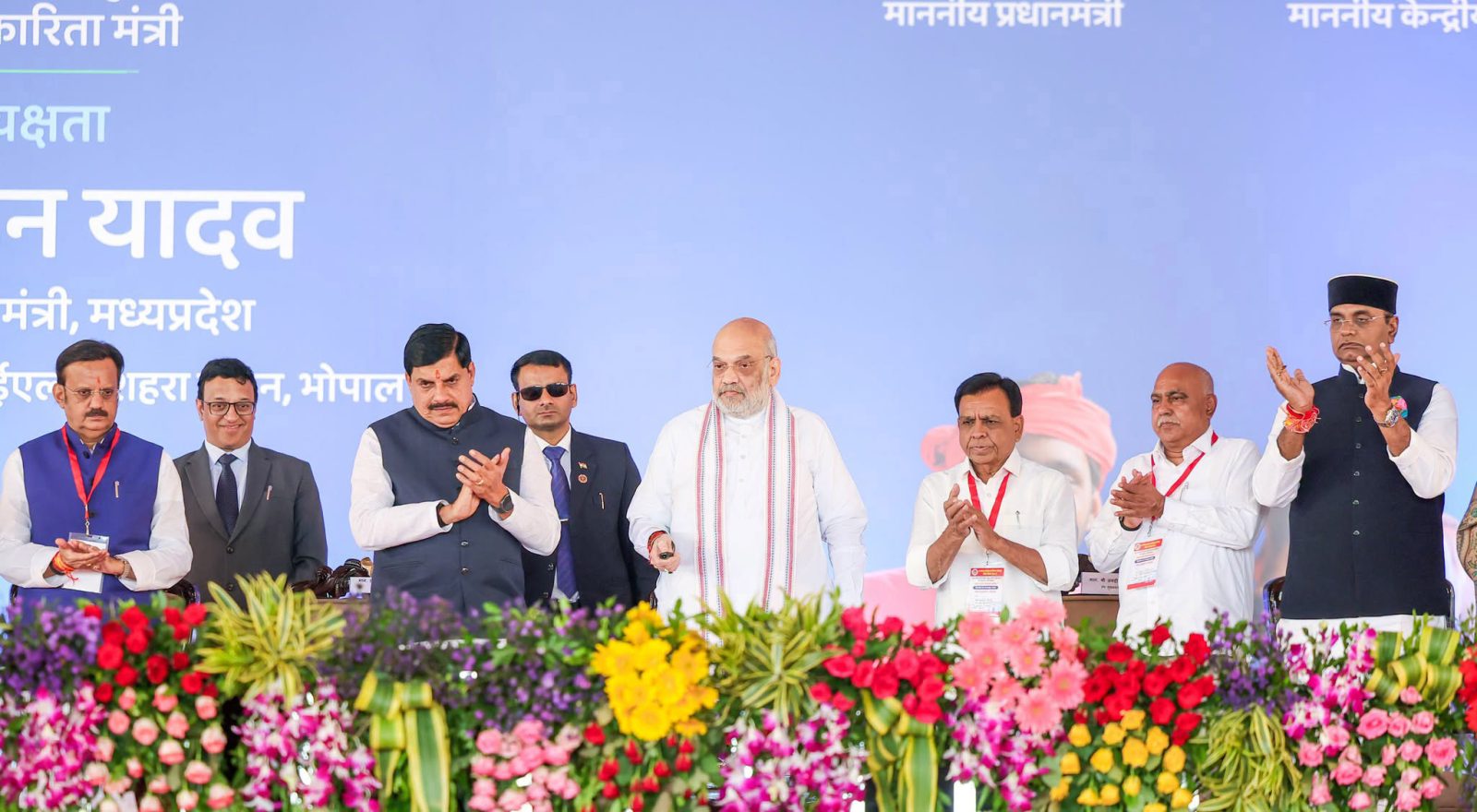
Union Home and Cooperation Minister Amit Shah has called for strengthening cooperative dairying as a means of raising livestock incomes, empowering women and accelerating rural development, while addressing the Gaupalak Sammelan in Bhopal on October 3.
Shah said the cooperative system can help livestock rearers move beyond dependence on open-market sales and intermediaries by ensuring better prices and allowing them to benefit from processing and value addition. He stressed the need for stronger infrastructure to convert milk into products such as butter, ghee, cheese, ice cream and mawa.
The address came against the backdrop of a sharp expansion in India’s dairy sector. According to Shah, milk production has risen from about 14.60 crore tonnes in 2014-15 to around 24.80 crore tonnes, while per-capita milk availability has increased 58%, from 307 grams to 485 grams a day. Dairy exports have also reached approximately ?4,666 crore.
A major focus was White Revolution 2.0, under which 75,000 new cooperative dairies are targeted nationally and 46,000 existing dairies are to be strengthened. Madhya Pradesh is expected to receive a substantial share of the expansion, giving livestock rearers access to organised markets, processing facilities and cooperative networks.
 The Madhya Pradesh government has set an ambitious target of raising daily milk procurement from 12 lakh kg to 52 lakh kg. The Centre has assured support in achieving the target. Breed improvement is another priority, with in-principle approval for 50 acres of land for cattle and buffalo breeding programmes. Modern technologies, including sex-sorted semen, are expected to improve productivity while supporting indigenous breeds.
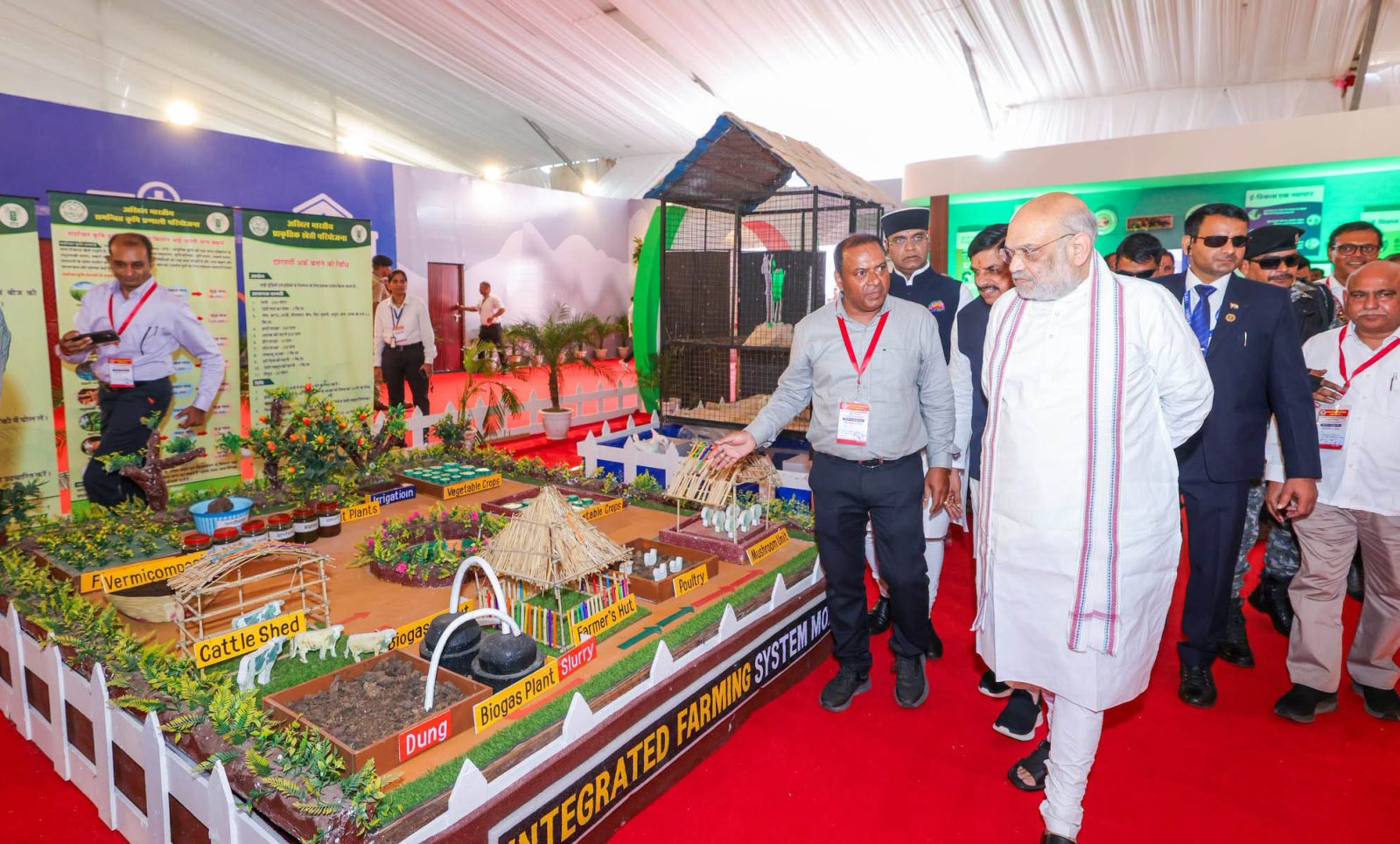
Shah also highlighted the emerging dung economy, covering scientific collection, methane reduction, clean energy, nutrient recycling and rural employment. Five technology-driven models have been developed to turn dung into an additional income source.
Women’s participation remained central to the cooperative dairy narrative. Shah described dairy cooperatives as a powerful instrument of women’s empowerment because they place income directly in women’s hands, while also contributing to family prosperity, rural development and the fight against malnutrition.
The Bhopal event also showcased new dairy infrastructure, including a Rs 255-crore, 3-lakh-litre-per-day milk processing plant in Ujjain, a product dairy plant in Bhopal and a state-level central laboratory. KRIBHCO and the Madhya Pradesh State Biodiversity Board also exchanged an MoU for an urban forest under the Morvan Project