






The Reserve Bank of India (RBI) has proposed a comprehensive overhaul of lending and concentration risk norms for Rural Co-operative Banks (RCBs), tightening prudential safeguards while providing greater flexibility in housing finance.
The central bank on Thursday released two draft Directions for public comments, with the revised framework proposed to come into effect from April 1, 2027.
A key feature of the draft is the introduction of prudential exposure limits for individual and group borrowers. RBI has proposed capping exposure to a single borrower at 20% of Tier-I capital and to a group of connected borrowers at 25% of Tier-I capital.
Recognising the cooperative credit structure, exposure to a single Primary Agricultural Credit Society (PACS) has been permitted up to 30% of Tier-I capital, subject to the relevant provisions of the State Co-operative Societies Act.
The draft also seeks to curb excessive unsecured lending by capping aggregate unsecured advances at 15% of total loans and advances. In addition, individual unsecured loan limits have been prescribed at Rs 5 lakh, Rs 7.5 lakh and Rs 10 lakh, depending on the deposit size of the bank.
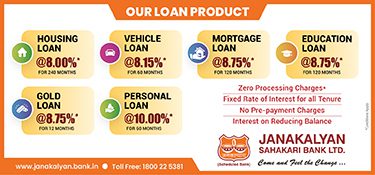
To boost housing finance, the RBI has proposed doubling housing loan limits for most Rural Co-operative Banks, with the maximum ceiling increasing from Rs 1.5 crore to Rs 3 crore for larger RCBs. Mid-sized banks will see limits rise from Rs 1 crore to Rs 2 crore, while smaller RCBs can lend up to Rs 1.4 crore and Rs 60 lakh, depending on their deposit base.
In another significant reform, RCBs with deposits above Rs 1,000 crore will be allowed to determine the tenor and moratorium period for housing loans through Board-approved policies. For RCBs with deposits up to Rs 1,000 crore, the maximum housing loan tenor has been increased to 20 years, including a moratorium of up to 24 months for under-construction houses. However, no moratorium will be permitted for loans meant for the purchase of completed houses.
The RBI has also proposed replacing prescribed sector-specific exposure limits with Board-approved internal limits based on each bank’s business model and risk assessment. However, exposure to the real estate sector will continue to be regulated, with aggregate exposure capped at 15% of total loans and advances and non-housing real estate exposure restricted to 5%.
Additionally, the draft permits RCBs to extend loans to nominal members, where their bye-laws permit, against deposits, gold and silver ornaments, life insurance policies and government securities, within limits prescribed under a Board-approved policy.
The RBI has invited comments on both draft Directions till August 28, 2026.