
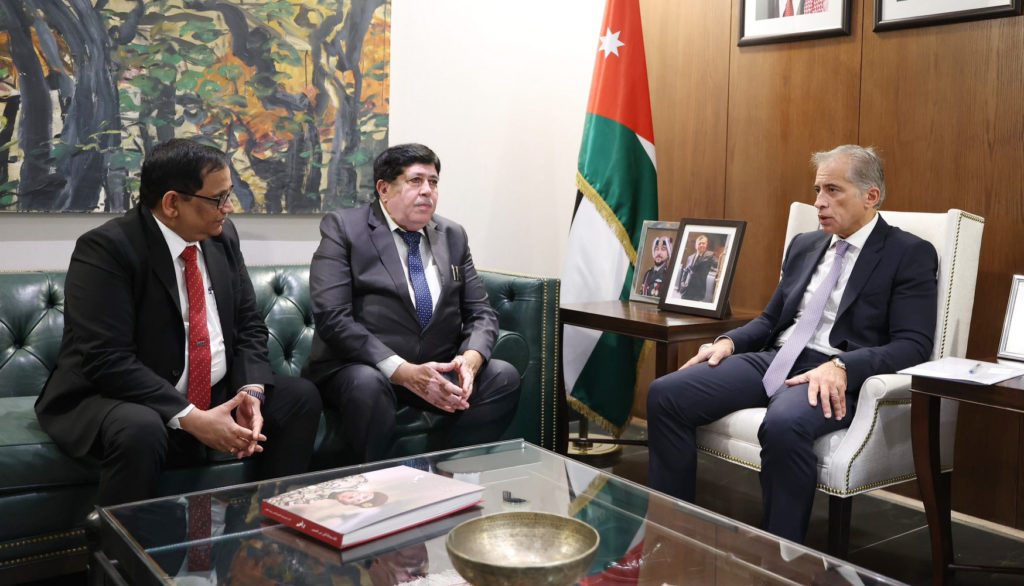
In a milestone diplomatic and cooperative engagement, Indian Farmers Fertiliser Cooperative Limited (IFFCO) Chairman Dilip Sanghani met with Jaafar Hassan, Prime Minister of Jordan, at the Prime Minister’s official residence in Amman on Tuesday. The meeting, aimed at elevating India–Jordan cooperation in the fertiliser and agriculture sectors, signals both nations’ mutual intent to expand strategic ties.
During the discussions, Sanghani described the gathering as “a significant step towards taking India–Jordan cooperation in the fertiliser sector to new heights,” emphasising IFFCO’s readiness to deepen collaboration on production, technology and sustainability. The Jordanian Prime Minister echoed this sentiment, highlighting that “mutual cooperation in agriculture and fertiliser sectors will give new direction to the economies of both nations.”
The two sides explored multiple themes, notably improving fertiliser-industry infrastructure, leveraging modern production technologies, enhancing agricultural productivity, and fostering sustainable farming practices.
From the Jordanian side, the long-standing links with IFFCO via its joint venture with Jordan Phosphate Mines Company (JPMC) – the Jordan?India Fertiliser Company (JIFCO) – were referenced as foundational to this move.
For its part, IFFCO expressed gratitude to the Jordanian government for the continued cooperation, signalling that combined efforts with JIFCO would soon translate into meaningful growth in fertiliser production and direct benefits for farmers in both countries.
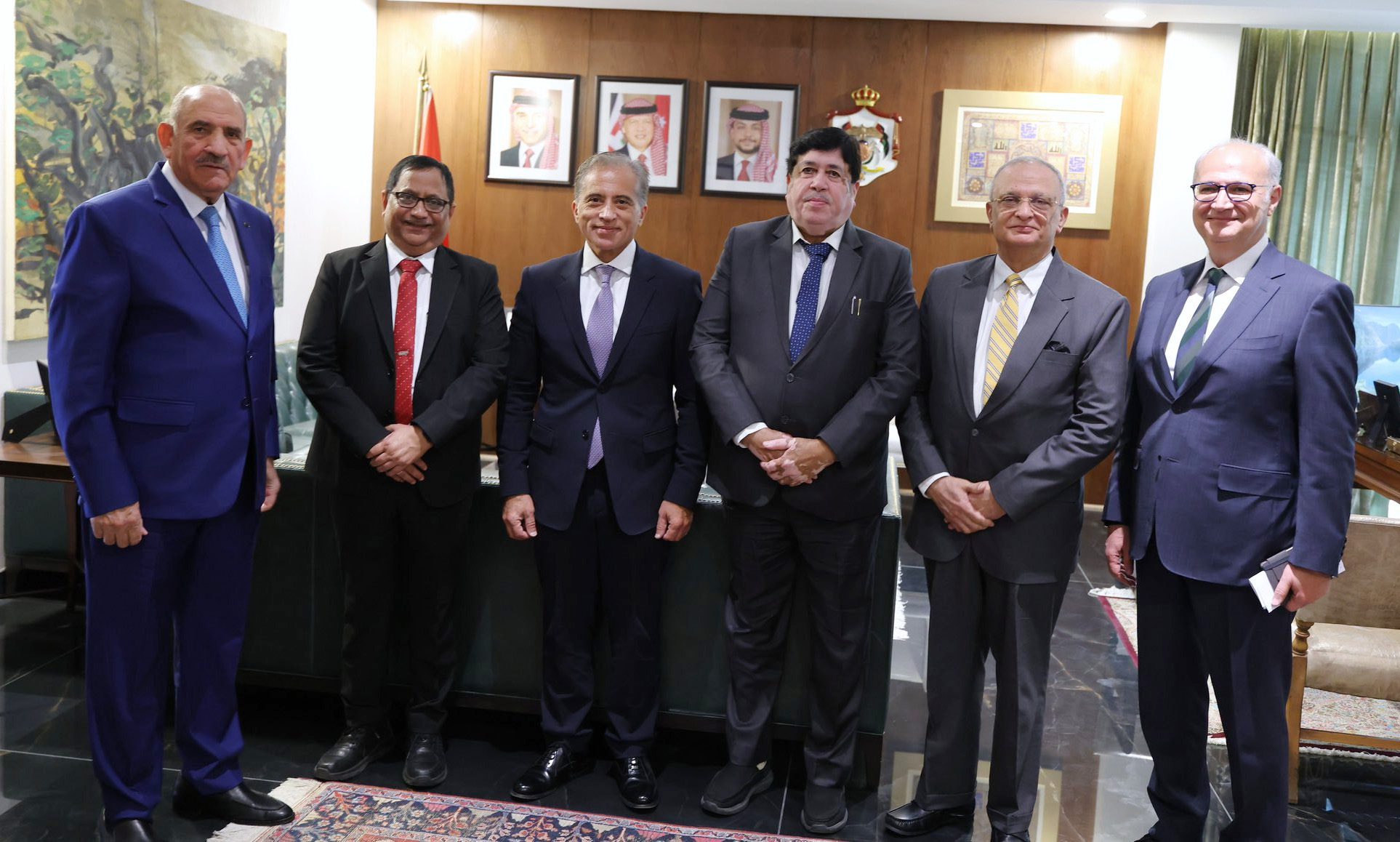

This newer phase of collaboration builds on prior commitments: JPMC and IFFCO have already concluded large-volume phosphate supply agreements, including one raising India’s import target from Jordan to 3 million tonnes per annum. IFFCO also holds a combined majority stake in JIFCO, with JPMC contributing key feedstock under long-term supply and offtake agreements.
Analysts see the meeting as part of a broader shift, where both governments are seeking to ensure agricultural-input security, mitigate market volatility in fertiliser raw materials, and align on long-term food-security goals. The Jordanian side’s strategic phosphate reserves and India’s massive agricultural base complement each other, offering synergy across supply-chain, manufacturing and trade-flows.
Looking ahead, the two sides are expected to formalise an implementation roadmap encompassing infrastructure investments, joint-R&D in fertiliser technology, possible manufacture of downstream fertiliser compounds in both countries, and stepped-up farmer outreach. Given the global food-security pressures and raw-material supply disruptions, this cooperative push may soon become a model for other bilateral agriculture-industry partnerships.
For IFFCO and its member-farmers, the Amman dialogue offers prospects of more secure supply of key nutrients, improved integration with international input-chains, and growth opportunities in export-oriented manufacture. For Jordan, the alignment promises value-addition in its phosphate industry, expanded industrial-capacity, and stronger trade ties with one of the world’s largest agricultural markets.
In sum, the Amman meeting between IFFCO and the Jordanian Prime Minister marks more than a courtesy visit-it heralds a purposeful leap in India–Jordan fertiliser and agriculture cooperation, with implications for farmers, industry and bilateral relations alike.