





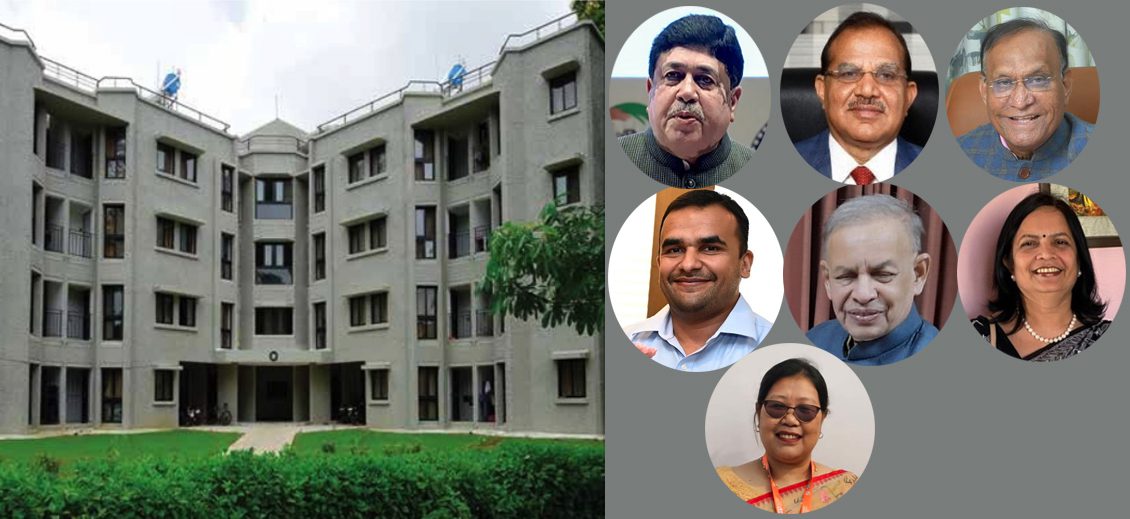
In a landmark development for India’s cooperative movement, the Ministry of Cooperation has constituted the first Governing Board of the newly established “Tribhuvan” Sahkari University in Anand, Gujarat. The Governing Board comprises a balanced mix of ex-officio members and nominated representatives drawn from central ministries, cooperative institutions, and state governments.
This initiative marks a significant step toward institutionalizing cooperative education and fostering leadership rooted in cooperative values and economic inclusivity. The Board, constituted under sub-section (2) of Section 21 of the “Tribhuvan” Sahkari University Act, 2025, will be effective from May 27, 2025.
Among the ex-officio members are key figures such as the Vice-Chancellor of the University, Secretaries from the Ministries of Cooperation, Agriculture & Farmers Welfare, Animal Husbandry and Dairying, Food Processing Industries, and Fisheries.
Also included are the Managing Director of the National Cooperative Development Corporation (NCDC), Chairpersons of the National Dairy Development Board (NDDB) and National Bank for Agriculture and Rural Development (NABARD), along with senior officials from the Reserve Bank of India and other allied bodies. The Finance Officer and Registrar of the University are also members, with the Registrar designated as the Member-Secretary.
In addition to the ex-officio members, several nominated members will serve on a rotation basis, bringing in regional and sector-specific expertise. These include Principal Secretaries or Secretaries from the Cooperation Departments of Madhya Pradesh, Assam, Kerala, and Gujarat.
Among the most noteworthy appointments from grassroots cooperative leadership are National Cooperative Union of India President Dileep Sanghani and RBI Central Board Director and Sahakar Bharati founding member Satish Marathe, two eminent figures whose contributions have been pivotal in shaping cooperative policies at the national level.
Sanghani’s longstanding advocacy for cooperative empowerment and Marathe’s financial governance experience at the RBI are expected to add both grassroots depth and regulatory insight to the Board’s operations.
Chairpersons of major cooperatives like IFFCO, KRIBHCO, NAFED, and NCCF, will serve as rotational members. This rotating model is intended to provide a dynamic policy framework enriched by diverse expertise.
Also drawing considerable attention is the inclusion of Ms. Arti Patil, Managing Director and CEO of Saraswat Cooperative Bank, India’s largest urban cooperative bank. Her presence on the Board not only highlights the growing role of women in cooperative leadership but also reflects her banking acumen and digital transformation initiatives of Saraswat Bank.
Joining this esteemed panel is Ms. Jeena Potsangbam, Vice-President of the Manipur State Cooperative Union. Her appointment underscores the Centre’s commitment to ensuring geographical and cultural representation in shaping India’s cooperative education strategy.
Potsangbam’s inclusion is symbolic of the North-East’s rising participation in the national cooperative narrative, bridging regional aspirations with the broader goal of inclusive development.
Experts say the composition represents a strategic leap in blending academic rigor with cooperative principles, ushering in a new era for rural development, financial literacy, and decentralized economic empowerment across India.































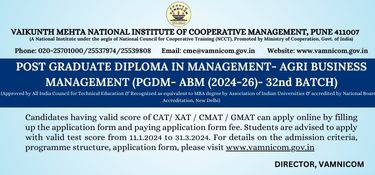









Diploma in Cooperative Management should be a mandatory qualification for Assistant Registrar Cooperatives and other posts in Cooperative department whether in central or state government advertisements. Government of India should set this course mandatory in Cooperative departments , cooperative banks, handloom and handicraft departments as soon as possible. Hope u will look into it as number of aspirants who have done such course , from VAMNICOM, Cooperative Training Institutes, other universities etc. thanks