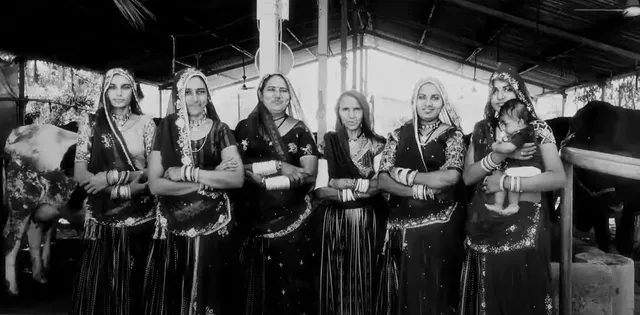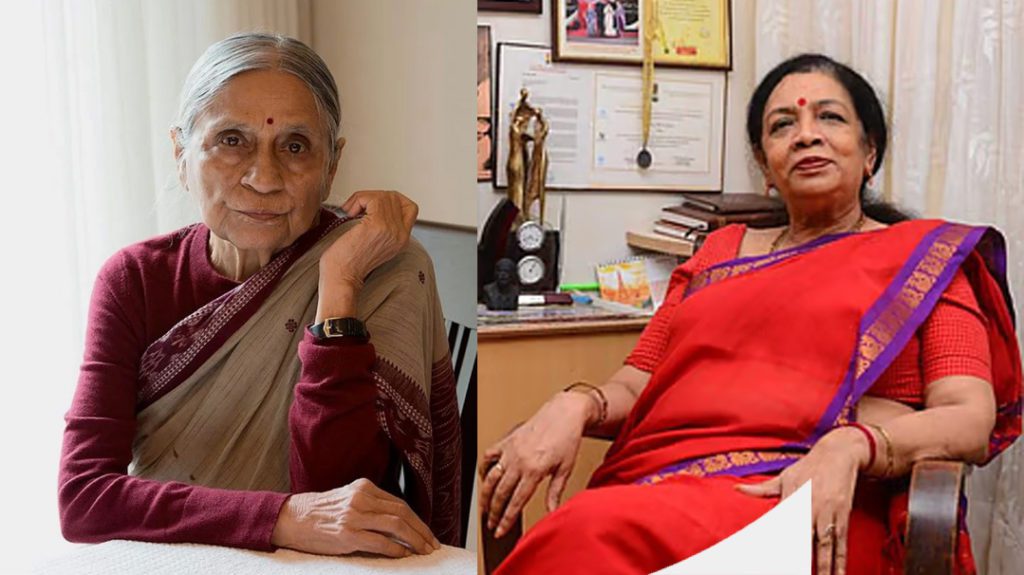
The story of India’s cooperative movement is often narrated through large institutions and policy initiatives, but its real strength lies in the determination of women who have built and sustained these collective enterprises at the grassroots level. Across rural and urban India, women have used the cooperative model to secure livelihoods, financial independence and social dignity, turning small local initiatives into powerful engines of social and economic change.
Among the most influential figures in this journey is Ela Bhatt, whose work transformed the lives of millions of informal women workers. In 1972, she founded the Self-Employed Women’s Association, which organized women working in the informal economy into unions and cooperatives. Through these institutions, women gained access to credit, markets, insurance and social security. What began as a small initiative gradually evolved into a nationwide network empowering women workers across multiple sectors.


Across the country, several grassroots leaders have also strengthened the cooperative ecosystem. Social activists and cooperative practitioners such as Arti Biasaria and Sadhana Jadhav have worked with rural communities to mobilize women into credit societies and producer cooperatives. By organizing women farmers, artisans and small entrepreneurs into collectives, they have helped improve access to markets and financial resources.
Leaders like Surekha Khote, Arti Bisaria are also contributing by mobilizing women in sectors such as fisheries, agriculture and rural enterprises. Their work has encouraged women to move from informal labour to organized entrepreneurship through collective action.
Women-led cooperative initiatives have also created remarkable institutional innovations. In Assam, Lakhimi

Across India, such initiatives demonstrate how women have used cooperatives as a tool for empowerment. Women-led cooperatives provide access to credit, training and market linkages while also strengthening women’s participation in community decision-making.
Although women still remain underrepresented in leadership roles in many cooperative institutions, the contributions of pioneers like Ela Bhatt and Nandini Azad, along with grassroots leaders such as Arti Bisaria, Sadhana Jadhav and Surekha Khote, highlight the transformative role women continue to play.
Their efforts underline an important truth: the cooperative movement in India is not only about institutions and policies, but also about the women whose collective strength is shaping a more inclusive and resilient economy.