
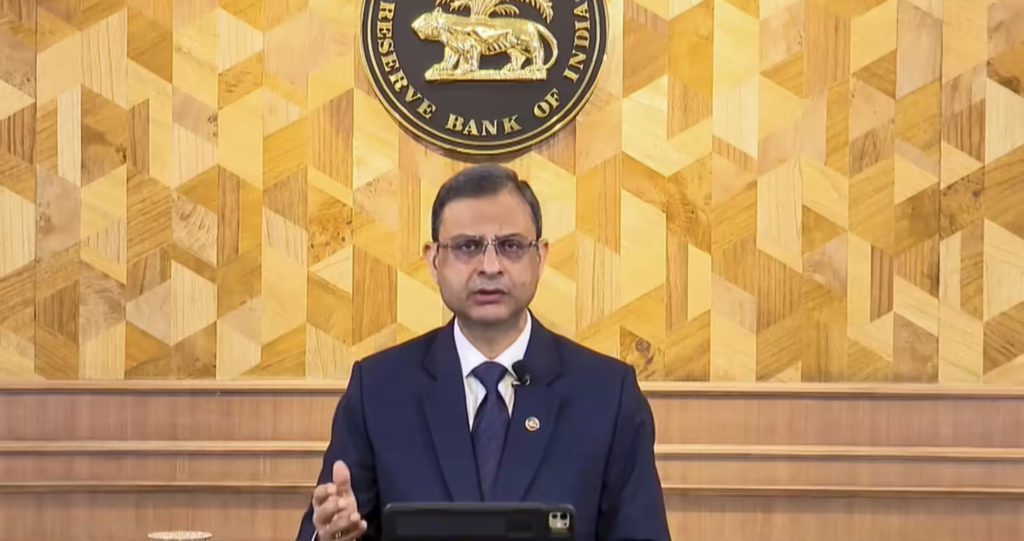
After a gap of more than two decades, the Reserve Bank of India (RBI) on Tuesday initiated a formal public consultation on the possible resumption of licensing for Urban Co-operative Banks (UCBs) by releasing a comprehensive Discussion Paper. Licensing of new UCBs has remained suspended since 2004 following concerns over financial instability in the sector during the liberalisation phase of the 1990s.
The central bank has outlined a cautious and highly selective approach in the event licensing is resumed. The Discussion Paper indicates that RBI may consider licensing large and well-governed co-operative credit societies as a prudent starting point, given the historical vulnerabilities observed among smaller entities.
As proposed, eligible co-operative credit societies would be expected to have a minimum capital base of Rs 300 crore, at least 10 years of operational history, a strong and consistent financial track record, a capital to risk-weighted assets ratio (CRAR) of not less than 12 per cent, and net non-performing assets (NPAs) below 3 per cent at the time of licensing. RBI has further indicated that preference may be accorded to multi-state co-operative societies or entities with a wider geographical footprint, as this would aid diversification, resilience and long-term viability.
The Discussion Paper also underscores that governance standards applicable to UCBs should be comparable to those of commercial banks, irrespective of their co-operative structure. RBI has noted that amendments to State Co-operative Societies Acts and the Multi-State Co-operative Societies Act may be necessary to enable professional boards, induction of independent directors and tighter regulation of shareholding in licensed co-operative banks.
Providing historical context, RBI recalled that between 1993 and 2001, a total of 823 UCB licences were issued, nearly 31 per cent of which later became financially unsound. In light of these vulnerabilities and the fragile condition of the sector at the time, the central bank decided in 2004 that fresh licences would be considered only after a comprehensive legal and regulatory framework for UCBs was put in place.
The Discussion Paper observes that the operating environment for UCBs has changed significantly over the past two decades. A key regulatory milestone was the enactment of the Banking Regulation (Amendment) Act, 2020, which strengthened RBI’s supervisory and governance powers over UCBs and brought them closer to the regulatory standards applicable to commercial banks. This was followed by the introduction of a tiered regulatory framework, categorising UCBs into four tiers based on deposit size.
RBI has also highlighted the role of consolidation in improving sectoral stability. The number of UCBs has declined from over 2,100 in 2003 to 1,457 as of March 31, 2025, following mergers and the exit of non-viable entities. Notably, all 57 insolvent UCBs whose licences were cancelled since 2020 belonged to Tier 1 to Tier 3, pointing to continuing weaknesses among smaller banks.
While the overall financial position of the sector has strengthened, with deposits at Rs 5.84 lakh crore, assets at Rs 7.38 lakh crore and net NPAs at 0.7 per cent as of March 31, 2025, the Discussion Paper flags persistent concerns relating to governance shortcomings, capital constraints, technology gaps and cybersecurity risks. At present, 82 UCBs remain under supervisory restrictions.
RBI has invited comments from stakeholders through its ‘Connect to Regulate’ portal. Based on the feedback received, the central bank may issue draft guidelines on licensing of Urban Co-operative Banks for further public consultation. The last date for submission of comments is February 13, 2026.