


• About
  • Advertise
  • Contact Us
  • Privacy Policy
  • Submit Your Success Story
  • Hindi Version
Friday, February 13, 2026
Indian Cooperative
IFFCO Banner
  • Home
  • Cooperative Federations
    • NCUI
    • NAFED
    • NCCF
    • NAFCUB
    • SUGAR COOP
    • HOUSING COOP
    • NCDC
    • NFCL
    • IFFCO
    • KRIBHCO
    • Fishcofed
  • Banks
  • Dairy
  • Fertilizer
    • IFFCO
    • KRIBHCO
  • Cooperator
    • Cooperative Recruitment
    • Cooperative Success Stories
    • Co-op News Snippets
    • Cooperative Coffee Shop
    • Cooperative Complaint Board
  • ICA
  • Laws/Legislations
  • States
  • Video
No Result
View All Result
  • Home
  • Cooperative Federations
    • NCUI
    • NAFED
    • NCCF
    • NAFCUB
    • SUGAR COOP
    • HOUSING COOP
    • NCDC
    • NFCL
    • IFFCO
    • KRIBHCO
    • Fishcofed
  • Banks
  • Dairy
  • Fertilizer
    • IFFCO
    • KRIBHCO
  • Cooperator
    • Cooperative Recruitment
    • Cooperative Success Stories
    • Co-op News Snippets
    • Cooperative Coffee Shop
    • Cooperative Complaint Board
  • ICA
  • Laws/Legislations
  • States
  • Video
No Result
View All Result
Indian Cooperative
No Result
View All Result
IFFCO Banner
NCDC Banner
NCDC Banner
MSC Bank
Home From States

RBI proposes overhaul of KCC for RCBs; Introduces 6-Year Credit Model

12–18 Month Crop season framework to guide KCC repayment structure

Ajay Jha by Ajay Jha
February 13, 2026
in From States
0
RBI proposes overhaul of KCC for RCBs; Introduces 6-Year Credit Model
Share on FacebookShare on Twitter

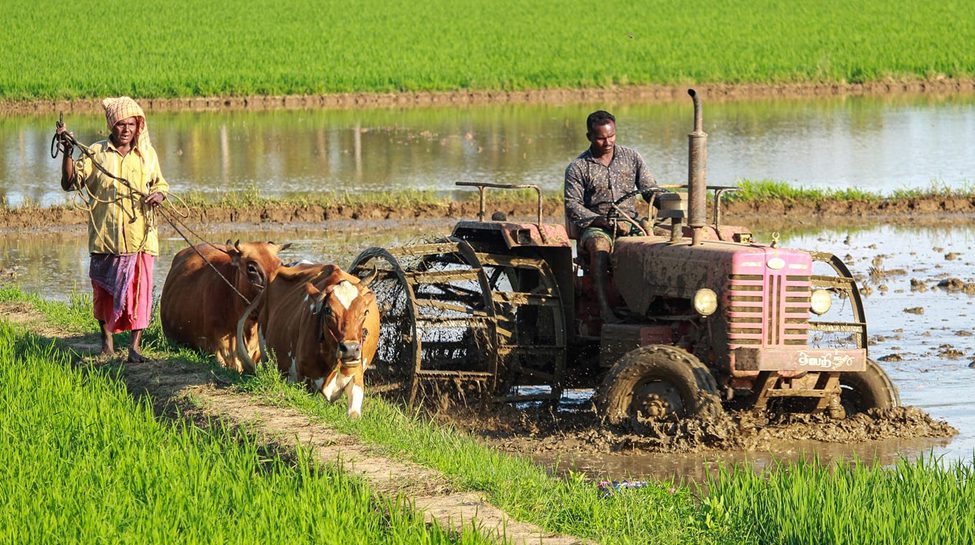
In a significant move aimed at strengthening agricultural credit delivery through Rural Co-operative Banks, the Reserve Bank of India (RBI) has issued draft Master Directions titled RBI (Rural Co-operative Banks – Kisan Credit Card (KCC) Scheme) Directions, 2026.

The draft, released for public comments, proposes a structured composite KCC facility with a tenure of six years for State Co-operative Banks (StCBs) and Central Co-operative Banks (CCBs).

Under the proposed framework, KCC will operate as a composite credit facility covering short-term working capital requirements as well as long-term investment credit for agriculture and allied activities. The short-term credit limit fixed for the sixth year, together with the estimated long-term credit component, will constitute the Composite Maximum Permissible Limit (CMPL), which shall be treated as the overall KCC limit.

To bring uniformity, crop seasons have been standardised. Short-duration crops will be treated as having a 12-month crop season, while long-duration crops will have an 18-month crop season. Repayment periods shall be aligned with the applicable crop season or the cash flow pattern of the activity undertaken.

The drawing limit will be based on the Scale of Finance (SoF) notified by the State Level Technical Committee (SLTC). In addition, farmers will be eligible for 10 per cent of the crop loan amount towards post-harvest and household consumption needs and 20 per cent towards maintenance of farm assets, soil testing, technological services and certification under organic or Good Agricultural Practices (GAP). Insurance components, where applicable, shall also form part of the limit.

The scheme continues to cover allied activities such as animal husbandry, fisheries, aquaculture, sericulture, lac culture and beekeeping. Investment credit for land development, minor irrigation, purchase of equipment and livestock acquisition will constitute the term loan component.

Collateral-free lending up to Rs 2 lakh per borrower has been retained. In cases involving tie-up arrangements and hypothecation of crops or stock, collateral may be waived up to Rs 3 lakh in accordance with the draft norms.

Banks will also be required to enable operations in KCC accounts through permitted digital channels such as UPI (for working capital credit), debit cards, mobile banking, internet banking, NEFT, RTGS, Central Bank Digital Currency (CBDC) and other regulated delivery channels, subject to explicit consent of the account holder.

The RBI has invited comments from stakeholders on the draft Directions until March 6, 2026.

Tags: BreakingCMPLcooperativeGapKCC LimitKCC SchemeRCBShort duration crops
Share284Tweet177SendShare71
Previous Post

Delhi CM unveils New Co-op Vision; Indraj backs grassroots push

Next Post

RBI imposes penalties on two Cooperative Banks

Next Post
RBI extends directions for Shimsha Sahakara Bank, Maddur

RBI imposes penalties on two Cooperative Banks

Leave a Reply

Your email address will not be published. Required fields are marked *

saraswatbank
nafed-india
Image Slideshow
Repco Bank
Pimpri Bank
Kerala Bank Advertisement
Sharad Bank
Prime Bank Advertisement
Deogiri Bank
Tirupati Urban Cooperative Bank
Blinking Ads with 4-Second Interval
WBSCB Ad 1 WBSCB Ad 2 Tripura StCB Ad Laxmi Multi State Ad Citizen Coop Society Ad
Ad Banner
  • About
  • Advertise
  • Contact Us
  • Privacy Policy
  • Submit Your Success Story
  • Hindi Version

© 2020 IndianCooperative.com.

No Result
View All Result
  • Home
  • Cooperative Federations
    • NCUI
    • NAFED
    • NCCF
    • NAFCUB
    • SUGAR COOP
    • Housing
    • NCDC
    • NFCL
    • IFFCO
    • KRIBHCO
    • Fishcofed
  • Banks
  • Dairy
  • Fertilizer
    • IFFCO
    • KRIBHCO
  • NCUI
  • Cooperator
  • ICA
  • Laws/Legislations
  • States
  • Privacy Policy
  • About
  • Advertise
  • Contact Us
  • Submit Your Success Story
  • Video

© 2020 IndianCooperative.com.