
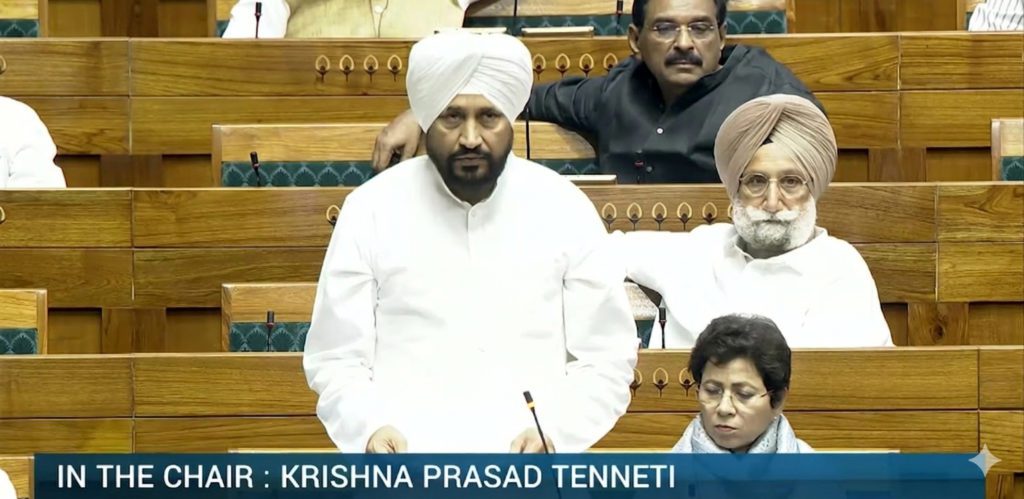
A Parliamentary Standing Committee headed by Charanjit Singh Channi has recommended a series of reforms to strengthen governance, transparency and grassroots expansion in the cooperative sector. The report on the Demands for Grants (2026–27) of the Ministry of Cooperation was presented to the Lok Sabha and laid on the Table of the Rajya Sabha on Monday.
The Committee noted that the Ministry has been allocated Rs 1,744.74 crore for 2026–27, which is higher than the Budget Estimate of Rs 1,186.29 crore in 2025–26. It urged the Ministry to ensure optimal utilisation of the enhanced allocation to strengthen cooperative initiatives across the country.
One of the key recommendations relates to the conduct of cooperative elections. The panel observed that delays in elections and extended supersession of elected boards in certain instances may affect the spirit of democratic member control, a core principle of the cooperative movement. It suggested that the government evolve a national framework for cooperative electoral governance and encourage states to establish independent Cooperative Election Authorities.
For cooperatives governed under the Multi-State Cooperative Societies Act, 2002, the Committee recommended the creation of a statutory, independent and professionally managed election mechanism to conduct polls in a transparent and time-bound manner.
The Committee also stressed the need to accelerate the formation and training of Multipurpose Primary Agricultural Credit Societies (M-PACS). It recommended prioritising the proposed Cooperative Training scheme aimed at supporting the formation of 90,000 new M-PACS over four years, ensuring proper social mobilisation, registration support and capacity building.
Reviewing national cooperative initiatives, the panel appreciated the role of National Cooperative Organic Limited in promoting organic products through the “Bharat Organics” brand. The organisation has enrolled over 11,000 cooperatives, launched 29 products and expanded retail presence in Delhi NCR and Bengaluru. The Committee recommended expanding membership and streamlining certification processes.
Similarly, the Committee noted the progress of National Cooperative Exports Limited, which has onboarded nearly 13,900 cooperatives and exported 40 agricultural products to 29 countries. It suggested encouraging more states and societies to join the initiative and strengthening export capacity through training and infrastructure support.
The report also welcomed recent tax relief measures for cooperative societies, including reduction in surcharge and Minimum Alternate Tax, along with higher limits for cash deposits, payments and withdrawals.
Additionally, the Committee called for expediting the computerisation of Agriculture and Rural Development Banks, strengthening dairy cooperatives to ensure better returns for farmers, and expanding multipurpose PACS, dairy and fishery cooperatives across all villages under the vision of “Sahakar-se-Samriddhi”.