






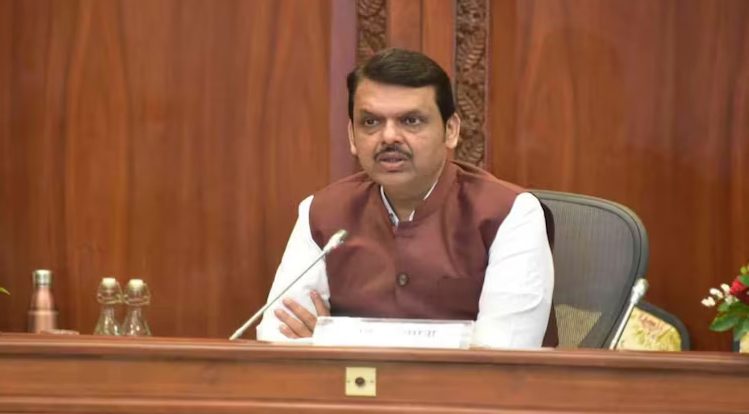
In a significant move aimed at strengthening the cooperative sector, the Maharashtra government has announced the formation of a high-level committee to review and modernize the state’s cooperative policy in alignment with the National Cooperative Policy, 2025.
The committee, which will be chaired by the State Cooperation Minister, is tasked with providing strategic recommendations to ensure a modern, inclusive, and resilient cooperative ecosystem in the state. The committee is mandated to study all aspects of the National Cooperative Policy, 2025, and submit its recommendations within two months.
This initiative underscores the state government’s commitment to empowering cooperatives, fostering governance reforms, and promoting efficiency across cooperative institutions. The move is expected to provide a strong framework for policy reforms, helping Maharashtra’s cooperative sector remain competitive, transparent, and responsive to emerging socio-economic challenges.
Key members of the committee include senior officials and representatives from multiple departments and institutions critical to the cooperative ecosystem. From the state administration, the Principal Secretary, Secretary, and Additional Chief Secretary (Cooperation) of Maharashtra, along with the Commissioner & Registrar of Cooperative Societies, Pune, will provide administrative oversight. Representatives from departments such as Sugar, Textiles, Animal Husbandry, Dairy, Fisheries, and Marketing are also part of the panel, reflecting a multi-sectoral approach to policy design.
The committee also brings in expertise from across India’s cooperative and academic landscape. Notable members include Satish Marthe, Director, RBI Central Board; V. V. Sudhir, Director, NCCT; Suva Kanta Mohanty, Director, VAMNICOM; Manoj Kumar, Director General, LINAC; Sandhya Kapoor, Director, NCUI; Anand Venkatesan and Rahul Kamble, Professors at IRMA; and Vivek Jugade, Secretary, Sahakar Bharti. Their inclusion ensures that the committee benefits from both practical and scholarly insights, bridging the gap between policy formulation and ground-level implementation.
Representatives from Maharashtra’s cooperative federations and banks are also integral members of the committee. Vidyadhar Anaskar, Administrator, Maharashtra State Cooperative Bank Ltd.; Sanjay Khatale, Managing Director, Maharashtra State Sugar Factories Federation; Kakasaheb Koyte, President, Maharashtra State Cooperative Credit Society Federation; and other key leaders will contribute sector-specific perspectives.
Senior officials from dairy and cooperative banks, including Chetan Narke of Gokul Dairy Union, Kolhapur; Dr. Santosh Korpe of Akola District Central Cooperative Bank; and Digambar Durgade of Pune DCCB, are also part of the panel.
By bringing together policymakers, cooperative sector representatives, and academic experts, the committee is expected to design a forward-looking policy that strengthens governance, enhances credit and operational efficiency, and promotes innovation across Maharashtra’s cooperative landscape. This comprehensive approach reflects the state’s determination to empower cooperatives as engines of rural development, inclusive growth, and socio-economic progress.
The Maharashtra government has emphasized that this high-level committee will serve as a cornerstone in shaping the cooperative sector’s future, ensuring that reforms are sustainable, participatory, and aligned with national objectives under the NCP 2025 framework.








































Sunil Newgi, Architect. There is lots of misappropriation fund, about crores of Rs used by managing committee. There is Hum karo kaida they are functioning. Not bothers to our letters even Dy registrar letters. About nine years we the senior citizens are fighting fr our justice
But we found all our efforts are in vain. Kindly help us to get justice.
Yes one of the most corruption body called Cooperative Department. All Government, semi government offices should be 100% paperless first. Which will reduce corruption. Secondly why they dont conduct GDCA Exam Online. Lots of protocols, guideline, compliance is their. Now its time to update and upgrades. We are entering into AI word so offline mode is maint for corruption only