






With about 8 lakh cooperatives in India and with a collective membership of over 35 crore people (NCUI data), the potential for developing mutual and cooperative insurance in the country is enormous.
International Cooperative and Mutual Insurance Federation (ICMIF) and Insurance Institute of India (III) joined hands to bring out a first-of-its-kind report on mutual and cooperative microinsurance in India entitled “The missing chapter of microinsurance in India: a diagnostic of mutuals.”
This study aims to provide mutual microinsurance solutions to five million low-income households, in five emerging markets (India, Philippines, Kenya, Colombia and Sri Lanka) over the next five years. It is hoped that this will equate to 25 million previously uninsured people having insurance cover as a result.
Despite insurance-based social security schemes, a large section of the Indian population remains excluded from insurance cover with insurance penetration at just 3.44% and the penetration in non-life static at 0.5-0.8 % over the last 10 years.
The study found that there are 15 mutual and cooperatives, operating across 13 states, which are providing insurance-like services to approximately 1 million low-income people using risk retention or risk sharing models. The mutual model can be found all over India except for the North Eastern states; most have their presence in rural India while a handful of them also have a presence in some urban slums.
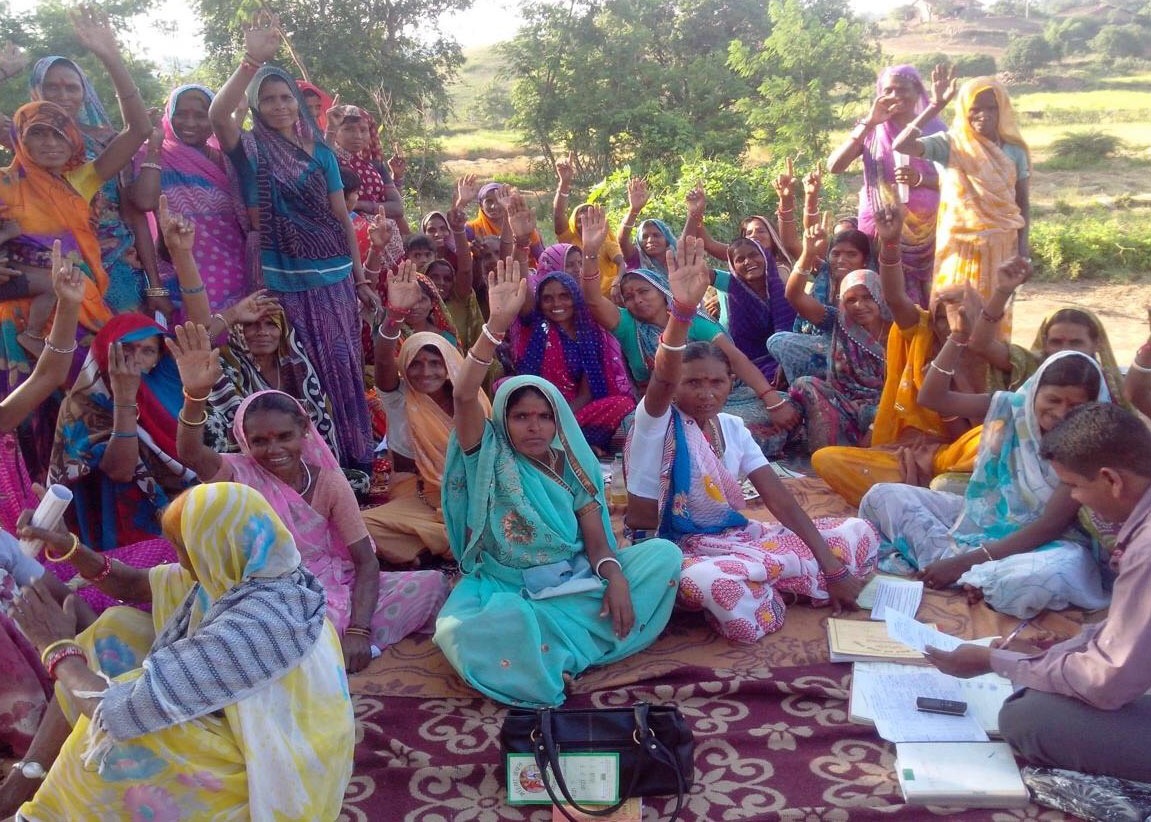
Over 90% of the policyholders are women, which makes these schemes very similar if not on a par with other financial inclusion products. A distinct Alternative Risk Management (ARM) model exists whereby mutuals and cooperatives provide solutions (with the provision of services including health education, negotiated services in affordable hospitals, funeral support etc.), which transcend the typical realm of commercial microinsurance.
Dr. George E. Thomas, Professor at the College of Insurance of III comments that “The Institute is very pleased with the outcome of the partnership with ICMIF. The report produced as a result of this extensive research is a great stepping stone in shaping the future of the microinsurance sector in India and the findings showcase the need for developing the mutual and cooperative insurance model so that it can reach out to low-income and excluded households.
Key recommendations from the study include creating broad models of self-regulatory organisations (SROs) with robust governance systems, allowing MCCOs to take reinsurance capacity where required from commercial insurers and need for significant support to scale-up and be sustainable.
Sabbir Patel, CEO of the ICMIF Foundation explains: “This country diagnostic study highlights the potential role that mutual microinsurance can play in closing the protection gap in India. ICMIF believes very strongly that, done in the right way, mutual microinsurance can be a powerful asset to the insurance industry and most importantly deliver real impact on livelihoods.
The focus on community needs and finding community solutions will empower people to take control of their own lives and that of their families. Mutuals strive to build long-term resilience for the poor through education, access and risk reduction strategies – it is not just about selling insurance in the short term it is about developing a range of appropriate risk coping and risk mitigation strategies for the long term”, Patel added.