






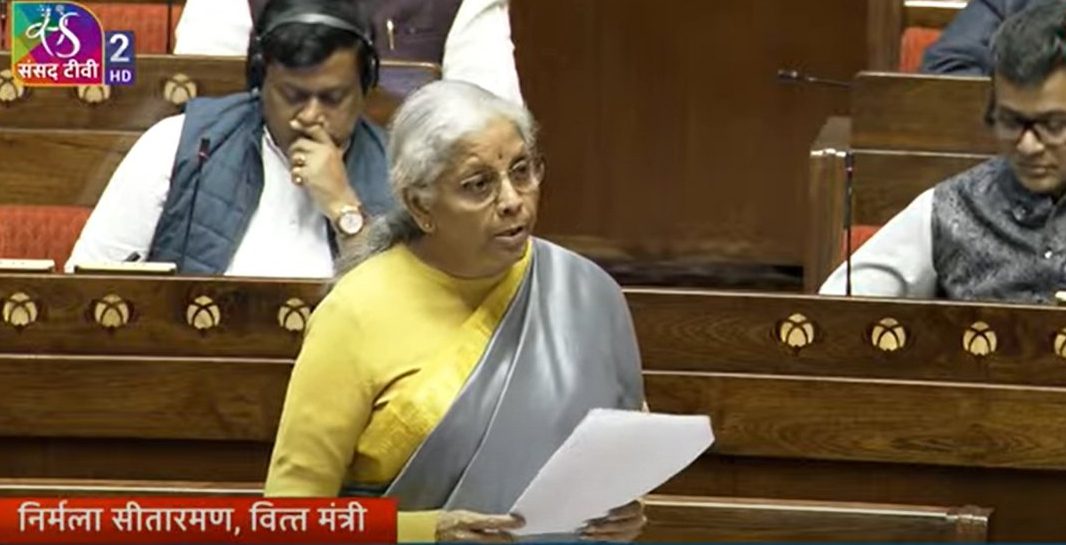
Union Finance Minister Nirmala Sitharaman tabled the Income Tax Bill, 2025 in the Lok Sabha on Thursday, introducing significant changes that will impact cooperative societies across India.
There are at least noticeable benefits for Housing Cooperatives, manufacturing cooperatives and farmer led cooperatives. The bill retains Section 149, ensuring that primary agricultural credit societies and producer companies engaged in processing and marketing agricultural products continue to enjoy tax exemptions.
The bill, which aims to consolidate and amend the existing income tax laws, includes key provisions related to the taxation and deductions applicable to cooperatives.
One of the most notable provisions in the bill is the introduction of a special tax regime for resident cooperative societies. Under Clause 203, cooperative societies (excluding those covered under Clause 204) can opt for a concessional tax rate, provided they do not claim specific deductions.
Additionally, Clause 204 offers an incentivized tax rate of 15% on the manufacturing income of new manufacturing cooperative societies, subject to certain conditions. This move is expected to boost the cooperative manufacturing sector and bring it on par with other business entities, promoting fair competition and industrial growth.
Furthermore, Clause 150 provides tax deductions for producer companies, reinforcing farmer-led cooperatives and supporting their financial sustainability. These deductions are expected to encourage rural cooperative entrepreneurship and strengthen agricultural value chains.
A significant amendment under Clause 118 facilitates the carry forward and set-off of losses and unabsorbed depreciation in cases of business reorganization of cooperative banks.
Similarly, Clause 65 introduces special provisions for computing deductions for cooperative banks undergoing restructuring. This initiative will particularly benefit urban cooperative banks and credit societies, ensuring their financial stability in times of transition.
The bill enforces stricter tax audits and electronic filing requirements under Clause 63, requiring cooperatives to maintain detailed financial records to claim deductions. While aimed at enhancing transparency and accountability, these measures could pose a compliance challenge for smaller cooperatives.
The cooperative sector has responded with mixed reactions to the proposed tax reforms. While the reduced tax rates for manufacturing cooperatives have been widely appreciated, many leaders from the sector are concerned about the additional compliance burden.
The above details in the bill were analyzed by the Indian Cooperative team, but we are not responsible for any inaccuracies. For more clarity, readers may visit the Lok Sabha website and read the copy of the bill.