
India’s cooperative sector is emerging as a powerful driver of financial inclusion in rural areas, with the “Sahkarita Mein Sahkar” (Cooperation in Cooperation) campaign gaining momentum across the country. Launched in line with Prime Minister Narendra Modi’s vision of “Sahkar Se Samriddhi,” the initiative is transforming village-level access to banking and credit through cooperative institutions.
The campaign, spearheaded by the Ministry of Cooperation, focuses on strengthening Primary Agricultural Credit Societies (PACS) and other cooperative bodies by equipping them with digital banking tools such as micro-ATMs and expanding access to affordable credit through RuPay-enabled Kisan Credit Cards (KCC).
Officials said the initiative is bridging a critical gap in rural banking by bringing financial services directly to villages. Farmers, dairy producers, artisans, and small entrepreneurs are now able to withdraw cash, make digital payments, and access loans without needing to travel long distances to bank branches. This has not only improved convenience but also reduced dependence on informal credit sources.
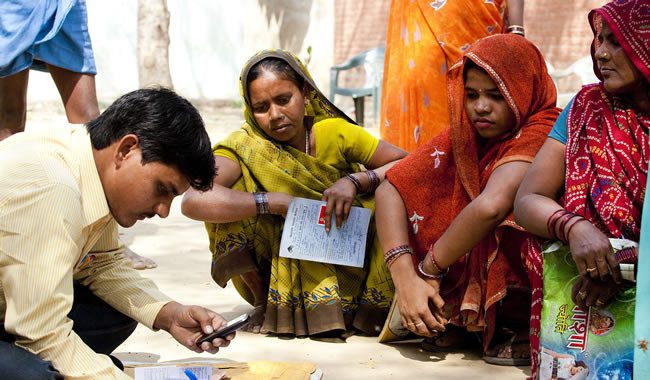
A key feature of the campaign is the deployment of micro-ATMs at cooperative societies, enabling doorstep banking services. These handheld devices allow users to carry out transactions using biometric authentication, making banking accessible even in remote areas with limited infrastructure. At the same time, RuPay Kisan Credit Cards are ensuring that farmers have access to low-cost, hassle-free credit for agricultural and allied activities.
The Ministry highlighted that the initiative is already delivering tangible results on the ground. More than 3.3 million new bank accounts have been opened under the programme, significantly expanding the formal financial network in rural India. Additionally, over 10,000 banking correspondents, or “Bank Mitras,” have been deployed to facilitate transactions and assist villagers in using digital financial services.
In terms of infrastructure, over 10,000 micro-ATMs have been distributed across cooperative societies, creating a robust last-mile banking network. The campaign has also enabled the issuance of more than 650,000 Kisan Credit Cards and around 950,000 livestock cards, supporting both crop cultivation and allied sectors such as animal husbandry.
Experts believe that such initiatives are critical to achieving inclusive growth, as they empower rural communities with the tools needed for economic advancement. By integrating cooperative institutions with modern banking systems, the government is fostering a model that combines grassroots reach with technological efficiency.
The ripple effects of the campaign are already visible in rural economies. Increased access to credit and digital payments is helping farmers invest in better inputs, expand their operations, and improve productivity. Simultaneously, the availability of financial services at the village level is generating new employment opportunities and strengthening local economic ecosystems.
The Ministry reiterated that “Sahkarita Mein Sahkar” represents a significant step toward building a self-reliant rural economy, where cooperative institutions act as the backbone of financial empowerment.
As the initiative continues to expand, it is poised to redefine rural banking in India, ensuring that every village is just a click away from essential financial services.