
Union Agriculture and Farmers Welfare Minister Shivraj Singh Chouhan underscored the transformative role of cooperatives in India’s rural and agricultural landscape while addressing a national seminar in Mumbai themed ‘Prosperity through Cooperatives’. The event marked the beginning of activities celebrating 2025 as the International Year of Cooperatives, as declared by the United Nations.
Those present on the occasion included The dignitaries present on the occasion included Manikrao Kokate, Minister of Agriculture in the State Government of Maharashtra; Dilip Sanghani, Chairman, IFFCO; Chandra Pal Singh, Chairman, KRIBHCO; Jethabhai Ahir, Director, NAFED; Ajay Patel, Chairman, Gujarat State Cooperative Bank; Vishal Singh, Chairman, NCCF; and Deepak Agarwal, Managing Director, NAFED.
In his keynote speech, Chouhan emphasized that the spirit of cooperation is deeply rooted in Indian tradition and is essential for holistic development. He noted that the agricultural sector remains the backbone of India’s economy, contributing 18% to the GDP and supporting 46% of the population. He credited the leadership of Prime Minister Narendra Modi for driving a 44% increase in foodgrain production over the past eleven years.

Among the central government’s top priorities are ensuring national food security, boosting farmer incomes, and supplying nutritious food across the country. To that end, integrated farm models tailored to small landholdings are being developed. These models are expected to yield more with less, while being environmentally responsible.
Chouhan highlighted the Viksit Krishi Sankalp Abhiyan as a key initiative to bridge the gap between scientific research and farm practice. Under this programme, 2,170 teams of Krishi Vigyan Kendra (KVK) scientists visited villages across the country, interacting directly with farmers, learning their challenges, and disseminating updated research. This direct engagement, he said, is more effective than drafting policy from offices in Delhi.
One of the significant findings from the campaign was the alarming prevalence of low-quality seeds and pesticides in the market. Chouhan announced that the central government would enact strict laws to crack down on those responsible for manufacturing or selling substandard agricultural inputs.
On market intervention, the minister spoke of a revamped scheme to support farmers growing TOP (Tomato, Onion, Potato) crops. If farmers transport their produce to states offering better prices, the central government will bear the transport costs. The aim is to ensure that both farmers and consumers benefit from fair and stable prices.
He further mentioned efforts to procure pulses like toor, masoor, and urad after farmer registration and shared that record-level purchases of pulses, oilseeds, and soybean have been made. Support for storage infrastructure and expansion of soybean and oilseed production were also highlighted.
Finally, Chouhan announced a series of upcoming consultations on agricultural policy, on June 24 with ICAR scientists, followed by meetings on soybean in Indore, cotton in Gujarat, and sugarcane in Uttar Pradesh.
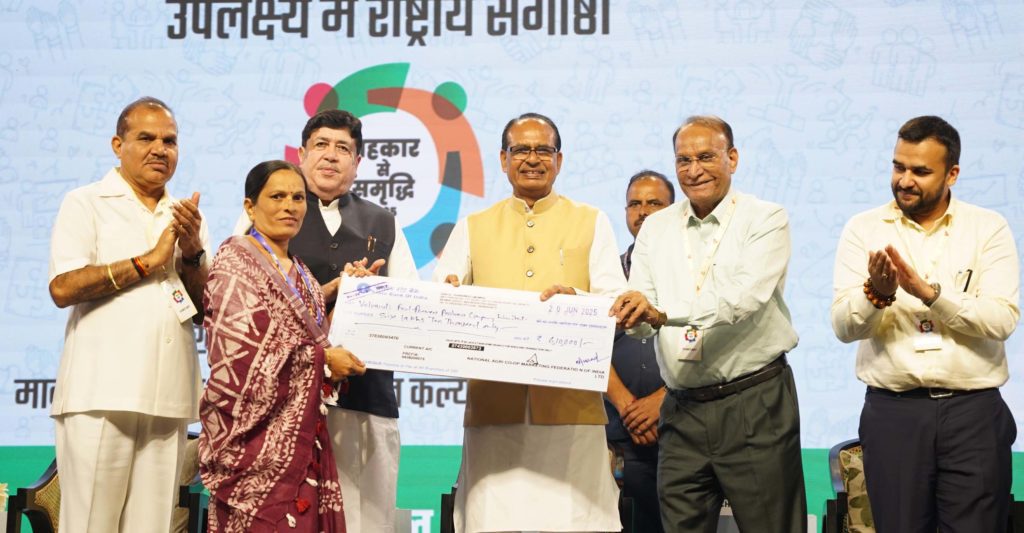
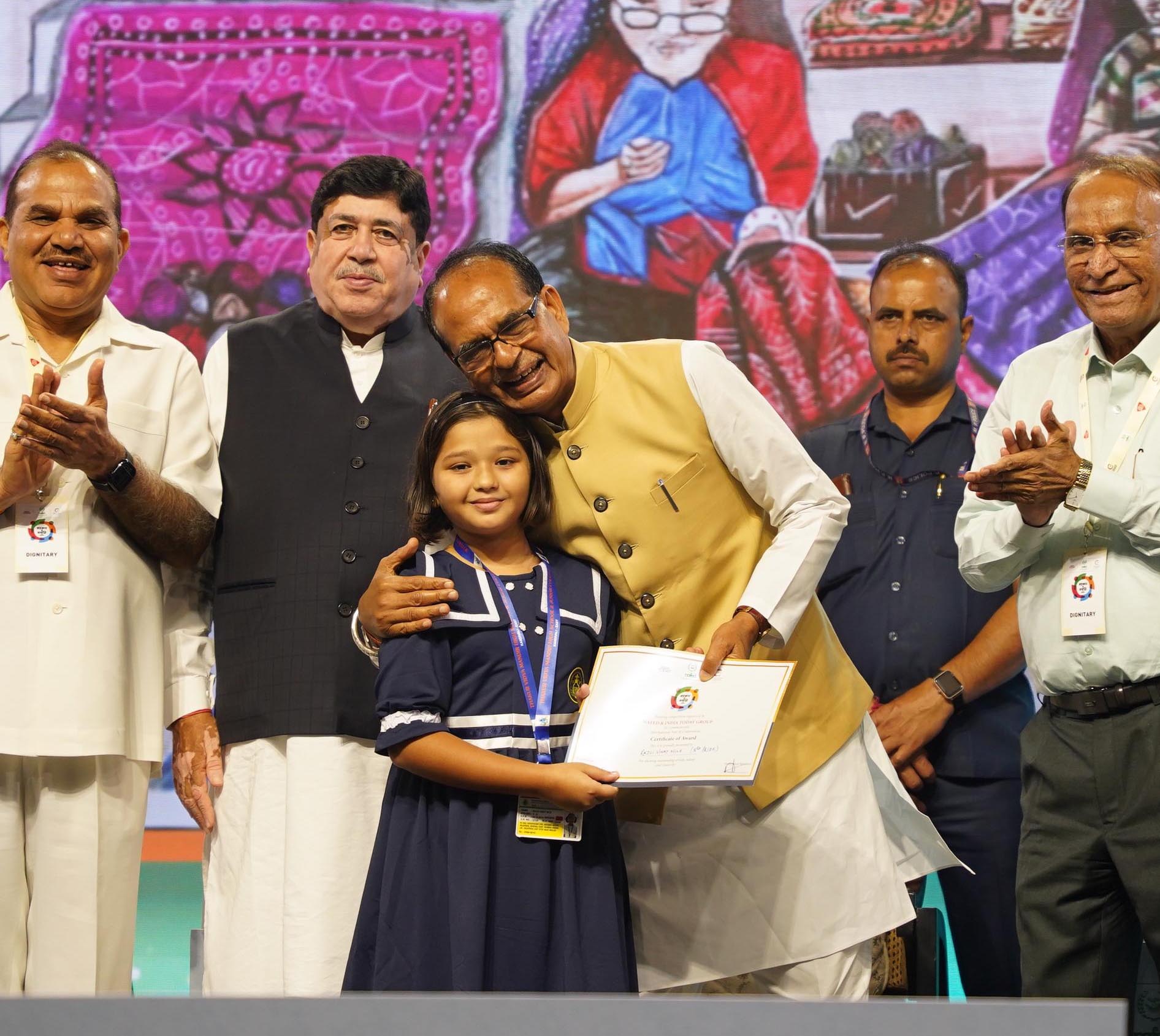
The seminar was also marked by symbolic gestures such as distributing equity grants to NAFED-supported FPOs, awarding NAFED franchise certificates, releasing a book of success stories, and distributing competition prizes.