
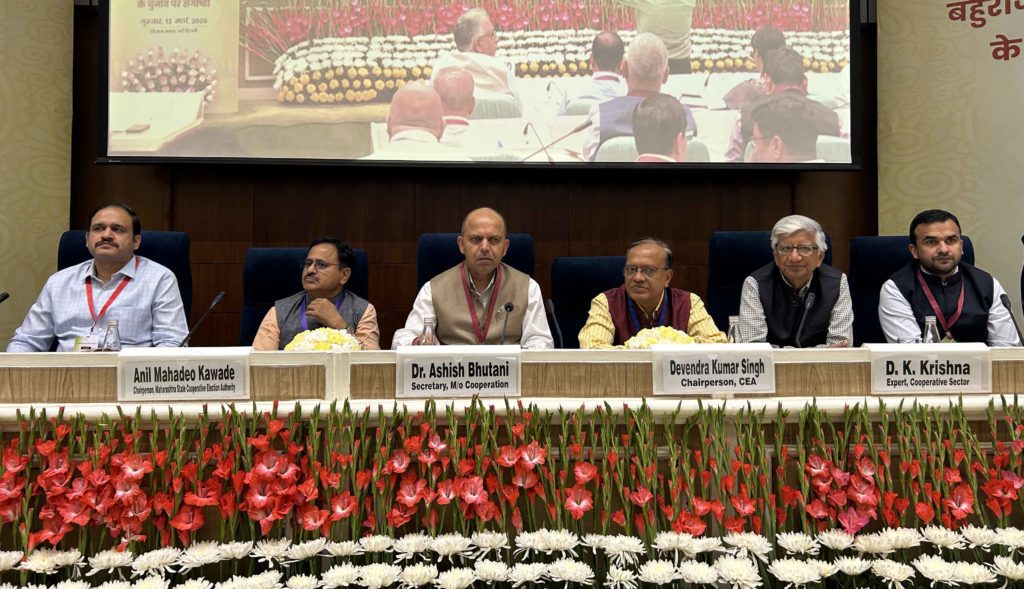
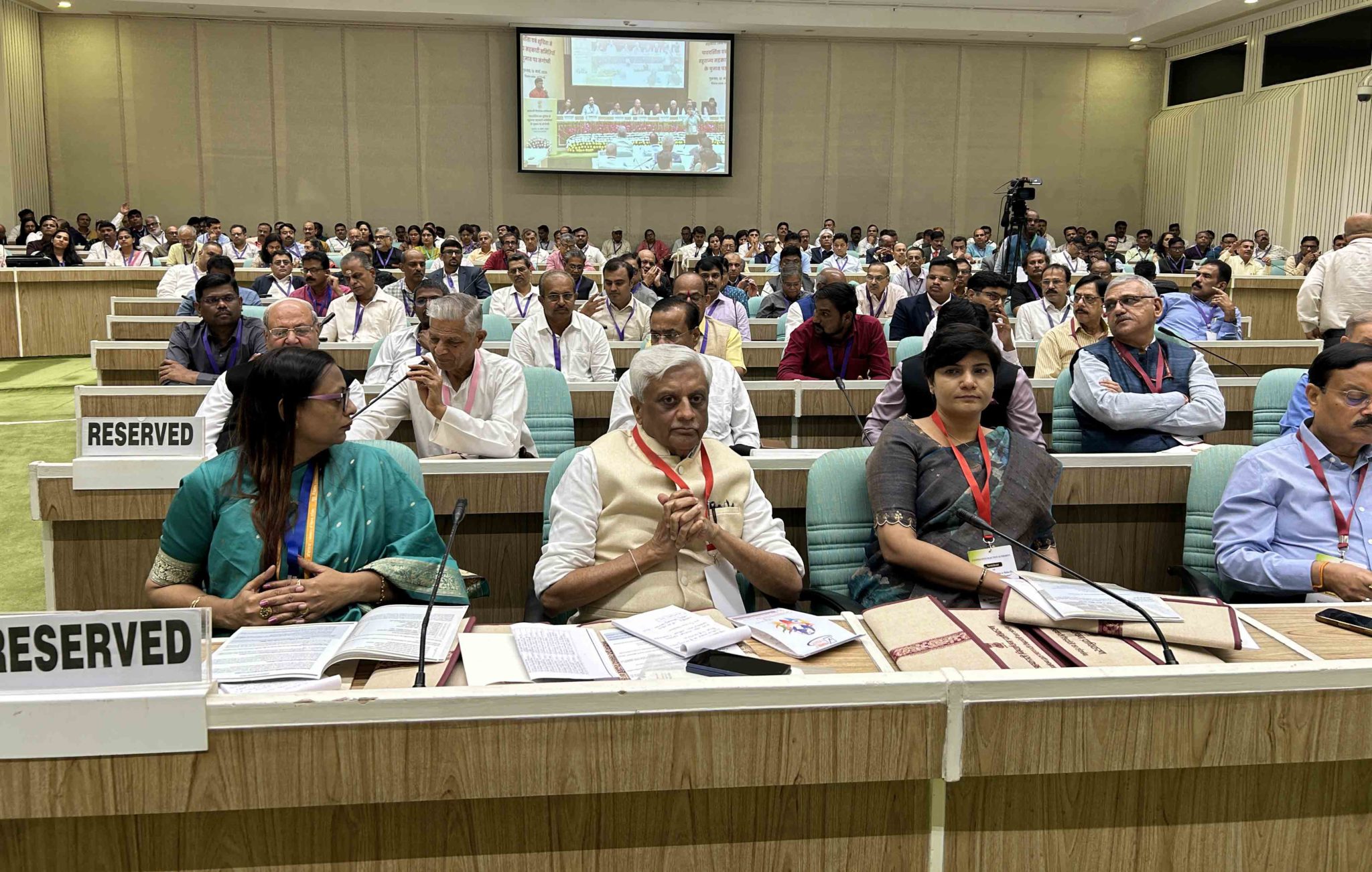
In an effort to strengthen democratic governance in India’s cooperative sector, the Cooperative Election Authority (CEA) under the Ministry of Cooperation organised a technical session on “Promoting Transparency through Elections in Multi-State Cooperative Societies” in New Delhi.
The session brought together senior government officials, cooperative leaders and others to deliberate on improving election systems and addressing structural challenges faced by cooperatives across the country.
Chairing the session, Ashish Kumar Bhutani, Secretary, Ministry of Cooperation, said the cooperative movement has entered an important phase following reforms introduced through the 97th Constitutional Amendment Act, which emphasised democratic functioning and timely elections in cooperative societies.
He noted that India currently has around 1,700 multi-state cooperative societies, but elections have been conducted in only about 240 societies so far by the Cooperative Election Authority. This, he said, highlights the need to further streamline election procedures and remove governance gaps.

He also acknowledged that governance concerns in certain credit cooperatives have affected public confidence. To address this, the Ministry is working towards strengthening audit standards, introducing concurrent audits in large societies and aligning cooperative audits with government norms to improve transparency and accountability.
Speaking at the session, Devendra Kumar Singh, Chairperson of the Cooperative Election Authority, said the body has entered its third year since formation and has already conducted around 240 elections, with seven cases requiring re-elections. He noted that outdated or inconsistent bye-laws often create complications during elections.
In some federations, nominations have even been accepted by CEOs instead of returning officers, creating procedural concerns. Singh emphasised the need for continuous dialogue with cooperative institutions to ensure fairness and transparency in the election process.
Veteran cooperative leader D. K. Krishna said the creation of the Ministry of Cooperation has brought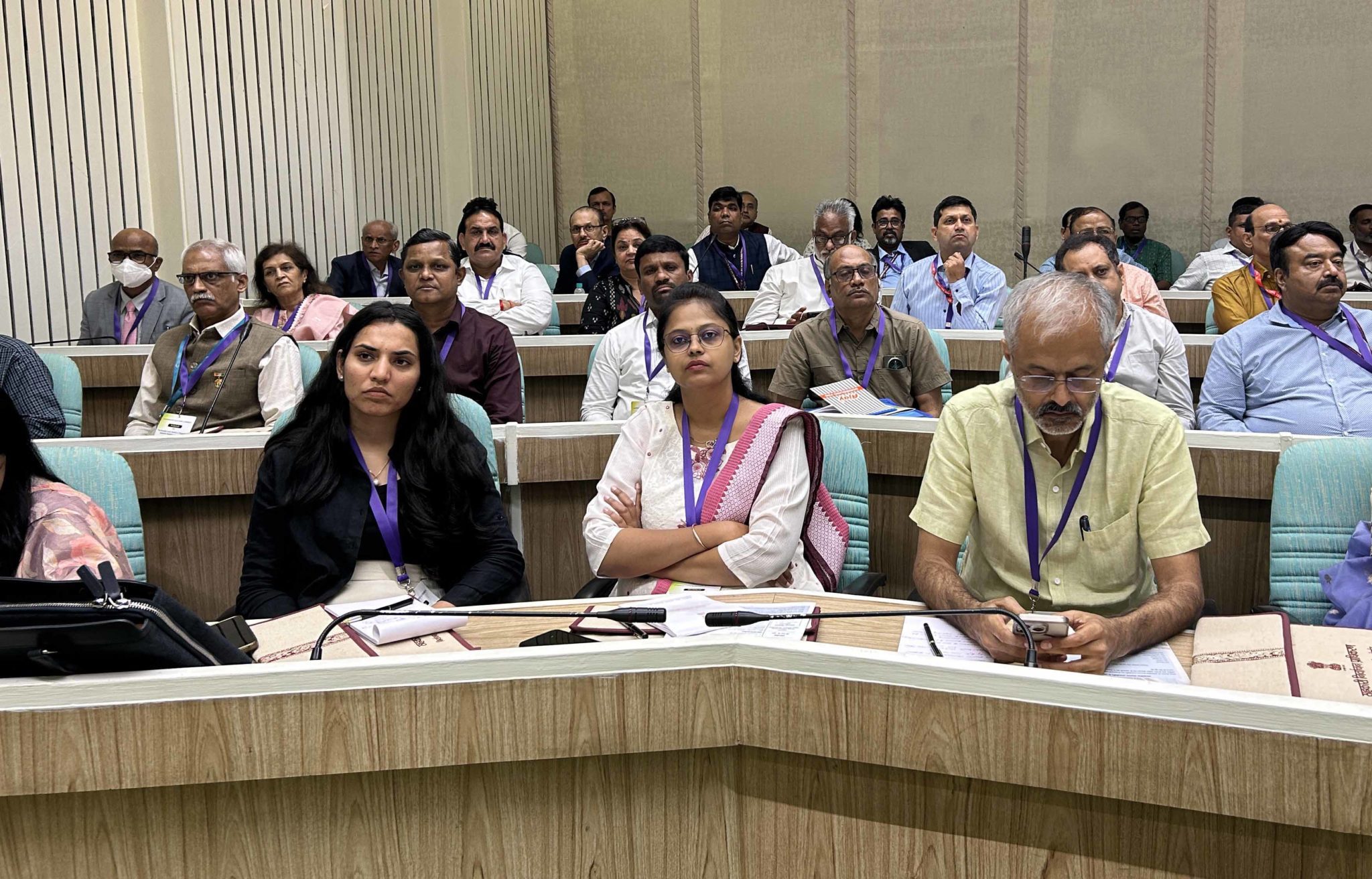

Representatives from the cooperative sector also shared their experiences. Vishal Singh of the National Cooperative Consumers’ Federation of India Ltd highlighted the importance of updating member lists and encouraging active participation of members. Anil Kawade explained that Maharashtra conducts elections for nearly one lakh cooperative societies through an extensive administrative network down to the taluka level, using digital voter lists and monitoring of election expenditure.
Officials also discussed practical challenges such as manpower requirements, cost management and interpretation of bye-laws while conducting elections for large cooperative bodies.
The session concluded with a consensus that updating bye-laws, strengthening election systems and adopting digital technologies will be crucial to ensuring transparency, accountability and stronger democratic governance in India’s multi-state cooperative societies.