
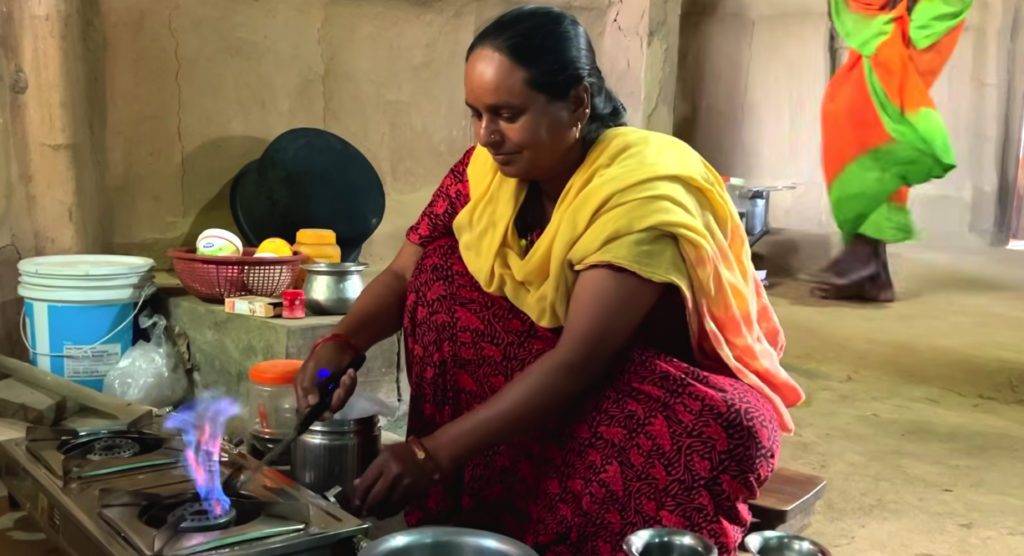
Surat-based Sumul Dairy has emerged as a national model for sustainable rural development by successfully installing 6,543 biogas plants across milk-producing villages in Gujarat.
The initiative is transforming cattle waste into clean cooking fuel while significantly reducing dependence on LPG cylinders among dairy farming households.
Implemented with support from the National Dairy Development Board (NDDB), Gujarat Cooperative Milk Marketing Federation (GCMMF), the Ministry of New and Renewable Energy, and the Gujarat government, the programme is directly benefiting more than 6,500 dairy farmers and over 50,000 rural residents.
The initiative processes nearly 300 metric tonnes of cow dung every day to generate biogas that is being used for household cooking and other domestic needs.
By replacing conventional LPG consumption, the project is estimated to save around 40,000 LPG cylinders annually, reducing fuel expenses for rural families and strengthening energy self-reliance in villages.
Apart from lowering household energy costs, the programme is also delivering significant environmental benefits. Officials associated with the initiative said the biogas units are helping cut nearly 40,000 tonnes of greenhouse gas emissions every year by scientifically processing cattle waste that would otherwise release methane into the atmosphere.
A major by-product of the project is the daily production of around 600 metric tonnes of organic manure from biogas slurry. Farmers are increasingly using this nutrient-rich organic manure in agricultural fields, helping improve soil fertility and reduce dependence on chemical fertilisers. This has also lowered input costs for farmers while encouraging environmentally sustainable farming practices.
Sumul Dairy officials said the initiative reflects the growing integration of dairy farming, renewable energy, and organic agriculture under the cooperative model. The project has been developed around the concept of “Waste to Wealth,” where livestock waste is converted into valuable energy and agricultural resources.
The cooperative believes the programme demonstrates how India’s dairy sector can contribute not only to milk production and rural livelihoods but also to climate action and sustainable development.
With rising focus on clean energy and natural farming, the Sumul model is now being viewed as a scalable example for other dairy cooperatives across the country.
The initiative also highlights the expanding role of cooperatives in driving grassroots innovation, rural prosperity, and environmental sustainability through collective community participation.