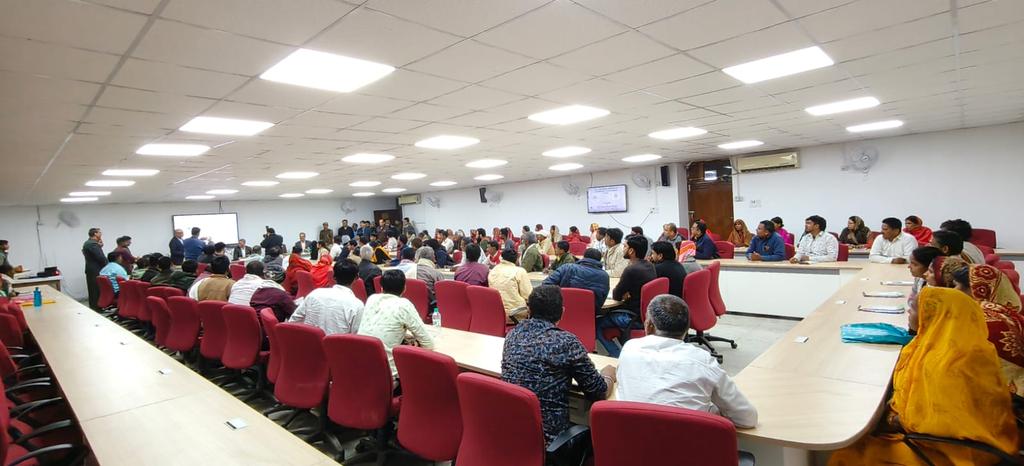
Bihar has moved decisively to reinvigorate its cooperative sector, with Chief Secretary Pratyay Amrit steering a comprehensive reform agenda aimed at restoring cooperatives as credible, farmer-centric and financially viable institutions.
The fifth meeting of the State Cooperative Development Committee was held recently under his chairmanship, during which a series of strategic decisions were taken to strengthen cooperative institutions across agriculture, banking, storage and allied sectors.
Chairing the meeting, the Chief Secretary underscored that cooperatives must once again become central to Bihar’s rural economy rather than remain peripheral administrative structures. He stressed that timely execution, financial discipline and convergence with central schemes were essential to ensure lasting impact.
A key decision taken during the meeting was to initiate the establishment of cooperative sugar mills at Sakri and Raiyam. Pratyay Amrit described the move as a long-overdue step to revive the cooperative sugar sector, improve sugarcane farmers’ incomes and generate employment in rural areas through value addition and local processing.
The Chief Secretary placed particular emphasis on strengthening Primary Agricultural Credit Societies, describing PACS as the foundation of the cooperative system. He reviewed plans to introduce micro-ATM facilities at PACS, noting that this would significantly improve access to banking services in villages, especially for small and marginal farmers.
He also directed that government funds be deposited with cooperative banks, a measure expected to improve their liquidity position and enhance their capacity to lend to agriculture and allied activities.

The meeting also reviewed measures to strengthen credit delivery and business development through cooperatives. Directions were issued to expand loan distribution through PACS while simultaneously improving recovery mechanisms to maintain financial discipline.
The committee also discussed linking Self-Help Groups, Joint Liability Groups and dairy cooperative societies with cooperative banks to widen their business base and deepen rural financial networks.
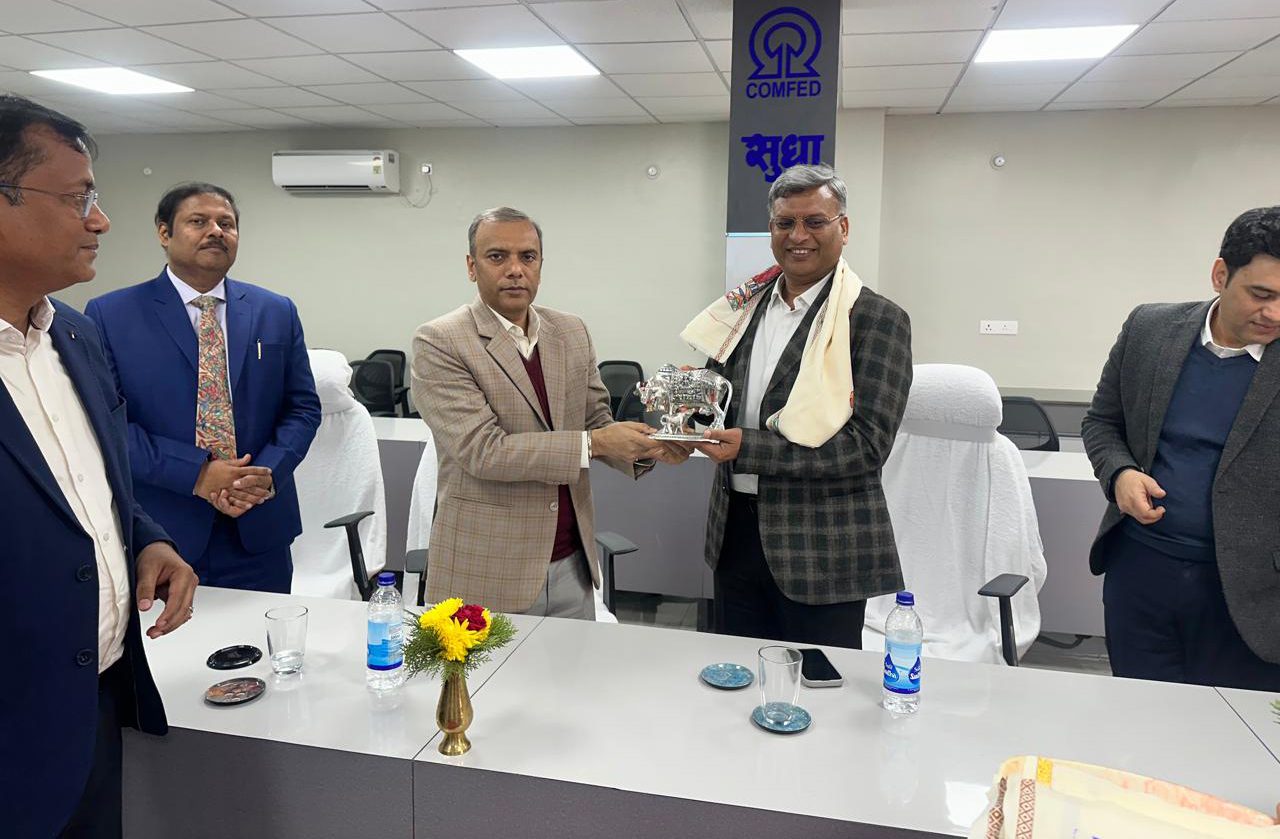
NCDC Managing Director and Additional Secretary in the Ministry of Cooperation, Pankaj Kumar Bansal, who was present in Bihar on the same day for cooperative sector engagements, highlighted the need for immediate registration of dairy cooperative societies that are yet to be formally registered.
He emphasised the role of the National Cooperative Development Corporation in providing financial and technical support to states, noting that NCDC’s instruments could play a crucial role in accelerating cooperative projects in Bihar, particularly in sugar, storage, dairy and PACS modernisation.
The meeting also discussed coordination with central agencies for the next phase of PACS selection and directed that required information be shared promptly with the Government of India. Senior officials from the Department of Cooperation, Finance, Agriculture, Rural Development, Industry, Food and Consumer Protection and other allied departments attended the meeting, reflecting the integrated approach being adopted for cooperative reforms.
The decisions taken at the SCDC meeting underline the Bihar government’s intent to place cooperatives at the heart of its rural development strategy under the leadership of Chief Secretary Pratyay Amrit.
By combining administrative push, institutional reforms and support from national bodies such as NCDC, the state is seeking to build a resilient cooperative ecosystem capable of delivering inclusive growth, stronger farmer incomes and sustainable rural livelihoods.