






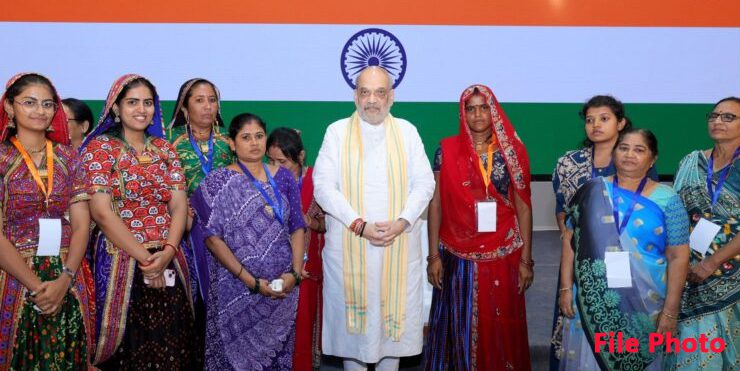
In what many analysts are calling a turning point for India’s cooperative movement, the year 2025 has witnessed unprecedented collaboration between the Government of India and cooperative institutions, marking a concerted effort to reinvigorate and expand the cooperative ecosystem from villages to urban centres.
Under the overarching motto “Sahkar Se Samriddhi”- Prosperity through Cooperation- the cooperative sector has entered a new era of growth and public service, emerging as a pillar of inclusive economic development.
For decades, cooperatives in India have been the backbone of rural economies, from agriculture and dairy to credit and housing. Yet structural challenges such as outdated laws, limited digital integration, and uneven access to finance often restricted their full potential. In 2025, the Government of India and cooperative stakeholders joined hands to tackle these very barriers. At the heart of this transformation is the National Cooperative Policy 2025, a landmark framework designed to modernize, expand, and diversify cooperatives nationwide.
The policy, launched formally in July 2025 by Union Home Minister and Minister of Cooperation Amit Shah, sets out a 20-year vision for cooperatives. It outlines strategies to strengthen governance, enhance inclusivity, and prepare cooperatives to meet future economic challenges across sectors like agriculture, dairy, fishery, housing, and emerging industries such as clean energy and tourism. The policy also emphasises digital transformation and improved access to financial and technical resources.
A central goal of the policy is expansion at the grassroots. Building on the momentum of the International Year of Cooperatives (IYC) 2025, India aims to ensure at least one viable cooperative in every village. This would dramatically expand the cooperative footprint and strengthen primary institutions such as Primary Agricultural Credit Societies (PACS), historically foundational for rural credit and agricultural support.
By late 2025, over 30,000 new cooperative societies have been registered across the country under the Government’s nationwide initiative, in partnership with agencies like NABARD, NDDB, and NFDB. These include PACS, dairy cooperatives, and fisheries societies, demonstrating accelerated growth in sectors that directly impact farmers, women, and rural entrepreneurs.
In states like Uttar Pradesh, membership campaigns resulted in thousands of new accounts with cooperative banks and an influx of fresh members into Multipurpose PACS (M-PACS), a modernised model enabling cooperatives to offer expanded services beyond credit, such as agricultural inputs, digital services, and even public distribution functions.
The Government’s role has not been limited to policy frameworks. Financial backing has been significant. In July 2025, the National Cooperative Development Corporation (NCDC) unveiled a Rs 24,000 crore scheme to directly benefit nearly 29,050 cooperative societies and over one crore members, providing easier access to credit, lower interest rates, and tailored financial solutions for cooperatives across India.
This expansion and financial support were celebrated at various national and state events throughout the year. For instance, in Panchkula, Union Minister Amit Shah inaugurated the Mega Cooperative Conference, highlighting digital and infrastructure projects like new milk chilling centres, flour mills, and digital portals aimed at strengthening cooperative banks and societies. Support measures such as zero-interest loans for PACS were also announced at the event, synergising central and state efforts.
Technological integration has been another priority. Across states like Uttar Pradesh, cooperatives have adopted QR/UPI-based payments and digital record systems, upgrading thousands of cooperatives to provide services like Jan Aushadhi (affordable medicines) and PM Kisan Samriddhi Kendras. This shift has reduced transaction barriers and brought cooperatives into the digital economy.
The cooperative movement of 2025 also saw evolution beyond traditional sectors. Supported by government policy and partnership initiatives, cooperatives are entering new economic arenas:
Taxi and gig economy: The Bharat Taxi cooperative model, supported by the Ministry of Cooperation and leading apex cooperatives, launched a ride-hailing platform in select regions. With tens of thousands of driver-members onboarded, this initiative challenges conventional app-based ride services by offering driver ownership and lower commissions.
Insurance and financial services: Plans for Sahkari Insurance Services aim to provide cooperative-based solutions in health, agriculture, life, and accident insurance, further broadening cooperative reach and social security functions.
These diversified paths reflect the policy’s intent to make cooperatives not just agricultural support structures but comprehensive economic entities capable of serving citizens across sectors while retaining democratic member control.
Capacity building has also been an important theme in 2025. Through training programs for 10,000 new M-PACS members and increased emphasis on youth engagement, the movement is nurturing the next generation of cooperative leaders. Major cooperative universities and institutes have expanded curricula to provide specialised education in cooperative management, governance, and innovation, ensuring the cooperative movement remains professionally managed and future-ready.
While challenges remain, such as ensuring consistent policy implementation across diverse states, protecting depositor interests, and maintaining cooperative autonomy, the collaborative approach in 2025 stands out as a significant achievement. Government-cooperative alliance has brought fresh energy, greater resources, and national focus to the sector, spurring optimism among rural communities, farmers, and cooperative activists alike. Across regions, cooperative leaders emphasise that trust of members, farmers, small entrepreneurs, depositors, is the true capital of cooperatives, and sustaining that trust is central to future growth.
As 2025 draws to a close, India’s cooperative movement stands markedly stronger and more dynamic than at the start of the year. With expanded networks, enhanced digital integration, diversified economic roles, and substantial government backing, cooperatives are poised not just to survive but to thrive, contributing significantly to rural prosperity, urban inclusion, and national economic resilience. The collaborative spirit of “Co-ops and Government Join Hands to Take Co-ops to Pinnacles in 2025” has set a new benchmark for cooperative development in India’s modern economic journey.