





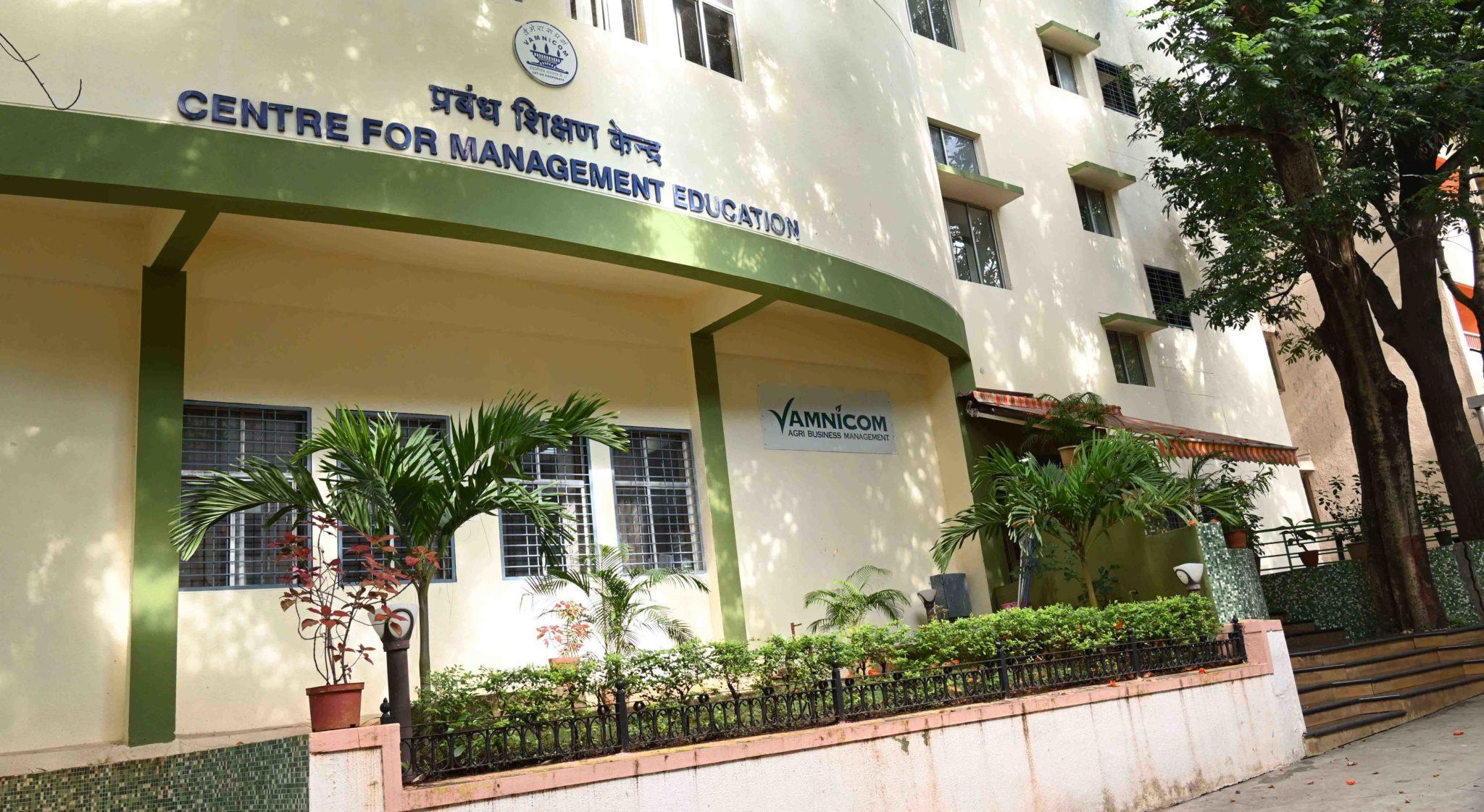
Vaikuntha Mehta National Institute of Cooperative Management (VAMNICOM), Pune, has intensified efforts to strengthen coastal cooperatives by training fishery societies to transition into dynamic multi-purpose cooperative institutions.
Between 7 and 13 November 2025, the institute conducted a series of one-day awareness-cum-training programmes across Maharashtra’s coastal districts, marking a significant step in the Ministry of Cooperation’s national initiative to modernize and diversify existing cooperative structures.
The drive forms a crucial part of the Government of India’s broader mission to transform Primary Agricultural Credit Societies into Multipurpose Primary Agricultural Credit Societies. By extending this vision to fisheries cooperatives, VAMNICOM aims to empower coastal communities with improved income-generating avenues, stronger governance systems, and enhanced access to modern cooperative practices.
The series began on 7 November at Maharashtra District Ekvira Fisheries and Agriculture Cooperative Society in Arnala, Vasai, Palghar. Subsequent programmes were held at Thane District Fishermen Central Cooperative Society Ltd. in Palghar on 8 November; Vasai Fishermen Cooperative Society Ltd. on 9 November; Ajinkya Fishermen Cooperative Society Mariyadit in Mumbai on 10 November; Bhati Fishermen Sarvodaya Cooperative Society Ltd. in Mumbai on 11 November; Satpati Fishermen Various Cooperative Societies Ltd. in Palghar on 12 November; and Mahikavati Mahim Sarvodaya Society in Mumbai on 13 November.
Each session brought together cooperative representatives, fishermen leaders, and sector practitioners eager to understand the scope of multi-purpose functionality.
The modules were developed to help societies evolve from single-activity bodies into integrated, community-centric enterprises. Sessions covered the principles and management of multi-purpose cooperatives, integration of fisheries with allied sectors such as processing, marketing, and input supply, financial literacy, digital empowerment, adoption of model bye-laws, and understanding legal frameworks for Multipurpose Fisheries Cooperative Societies.
Emphasis was also placed on sustainable fishing practices and environmental responsibility, critical for long-term livelihood security along the coast.
A panel of experts enriched the dialogue, including former representative of Maharashtra Rajya Machhimar Sangh Ramdas P. Sandhe; VAMNICOM’s Amit N. Borkar; former Joint Commissioner of Maharashtra Fisheries Department and President of Satpati Machhimar Vividh Karyakari Sahakari Sanstha Maryadit, Vithoba Naik; and senior scientist from the Central Institute of Fisheries Education, Mumbai, Dr. Shivaji Argade. Their interactions encouraged participants to rethink cooperative operations, explore diversification, and adopt models that ensure economic resilience and social cohesion.
The overarching message throughout the week-long programme echoed the national cooperative vision of “Sahakar Se Samriddhi”. By equipping fisheries cooperatives to adopt multi-purpose functions, the initiative aims to enhance income stability, create employment, and strengthen the cooperative economy in coastal regions. Participants engaged in discussions on modern governance, transparency, entrepreneurial thinking, and the importance of professional management in driving cooperative reform.
More than 50 representatives attended each regional session, reflecting strong community interest in adopting new frameworks. Their participation reinforced the growing recognition that well-managed, diversified cooperatives can play a pivotal role in rural advancement, inclusive growth, and sustainable development.
Through these efforts, VAMNICOM continues to work as a catalyst for cooperative transformation, enabling coastal communities to become active contributors to India’s expanding cooperative sector.