





The Executive Council of Tribhuvan Sahkari University, Anand, Gujarat, has been officially constituted with effect from 16th July 2025, in accordance with Statute 8 of the Tribhuvan Sahkari University Statutes, 2025, and Section 22(2) of the Tribhuvan Sahkari University Act, 2025 (11 of 2025).
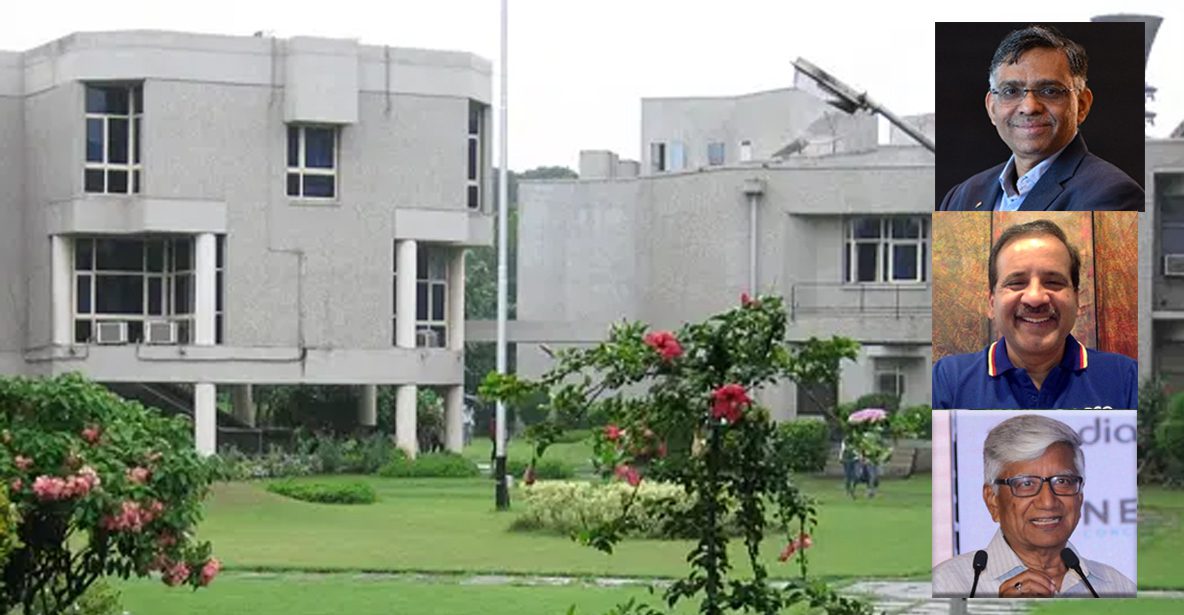
The Council will be chaired by the Vice-Chancellor of the University and also includes domain experts from the cooperative sector, including NAFCUB former Chief Executive D. Krishna, GCMMF Managing Director Jayen Mehta, and ICA-AP Regional Director Balu Iyer.
Other members include senior representatives from the Ministry of Cooperation, Government of India, and key national institutions. These include the Financial Adviser and Secretary, and the Joint Secretary (Cooperation to Prosperity) from the Ministry.
Representatives also include the Managing Director, NCDC; Chief General Manager, Institutional Development Department, NABARD; Dr. S. Kannappan, Senior Executive Director, NFDB; and the Chief General Manager & Principal, College of Agricultural Banking, RBI.
From the University, Prof. Madhavi Mehta and Prof. Seema Singh Rawat have been nominated as members on a rotational basis.
The Registrar of Tribhuvan Sahkari University will serve as the Member-Secretary of the Council. The tenure of nominated members, other than ex-officio members, will be three years.
The Executive Council meets quarterly with a defined quorum and holds wide-ranging powers, including the creation and appointment of academic and administrative posts, management of finances and property (with prior Central Government approval for immovable assets), enforcement of discipline, execution of contracts, institution of scholarships, and establishment of partnerships with industry.
It may delegate powers to university officials or committees and also advise the Central Government on referred matters.
In essence, the Executive Council is empowered to exercise all functions necessary to fulfill the University’s objectives, except those specifically assigned to other authorities under the Act.
Earlier, the Central Government had notified TSU’s Statutes outlining the appointment processes, eligibility criteria, tenure, and powers of key functionaries, along with the overall governance framework of the university.
As per the notification, the Chancellor will be an eminent personality from the field of cooperation, academia, or public administration, to be appointed by the Centre based on a panel recommended by the Ministry of Cooperation. The Vice-Chancellor (VC) will be appointed from a panel of three names recommended by a Search-cum-Selection Committee.
The VC will chair major councils and enjoy full financial authority akin to a Secretary to the Government of India. The Registrar and Finance Officer will be appointed through direct recruitment or deputation for a five-year term, extendable up to the age of 62.
The Governing Board is mandated to meet annually by September 30 to review the university’s performance and finances. The Executive Council, chaired by the VC and comprising senior officials from IRMA, NCDC, NABARD, RBI and others, will handle appointments, revenue, administration, and collaborations.