





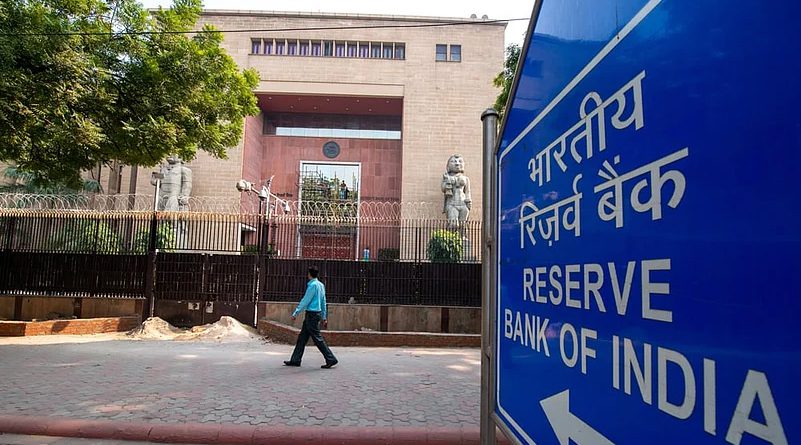
The cancellation of the licence of National Urban Cooperative Bank Ltd. in Pratapgarh by the Reserve Bank of India once again underscores persistent structural weaknesses in India’s urban cooperative banking sector, particularly around governance, capital adequacy and regulatory compliance.
The bank was ordered to cease operations from April 10, 2026, under the Banking Regulation Act, 1949, after the regulator found it financially unviable and incapable of safeguarding depositor interests.
According to the RBI, the bank suffered from inadequate capital and lacked sustainable earning prospects. It also failed to comply with multiple statutory and prudential norms, raising serious supervisory concerns.
The central bank concluded that allowing the institution to continue would erode public confidence in the cooperative banking system, especially as it was not in a position to repay depositors fully. Consequently, it has directed the Registrar of Cooperative Societies in Uttar Pradesh to initiate winding-up proceedings and appoint a liquidator.
While the closure brings uncertainty for account holders, depositors have some protection through the Deposit Insurance and Credit Guarantee Corporation, which insures deposits up to Rs 5 lakh. In this case, nearly 99.76% of depositors are expected to receive their full insured amount, with Rs 14.67 crore already disbursed, offering a degree of reassurance amid the disruption.
This is not an isolated case. In recent years, the RBI has cancelled licences of several cooperative banks across the country due to similar deficiencies. The collapse of CKP Co-operative Bank Ltd in 2020, for instance, was attributed to chronic losses, rising non-performing assets (NPAs) and the inability to raise fresh capital. Likewise, Karad Janata Sahakari Bank Ltd faced licence cancellation after failing to meet minimum capital requirements and demonstrating weak governance standards.
More recently, the licence of Rupee Co-operative Bank Ltd was revoked after years of financial stress marked by high NPAs and erosion of net worth. The case of Seva Vikas Co-operative Bank Ltd further highlighted issues such as poor internal controls, regulatory breaches and lack of transparency. In many such instances, depositors were left dependent on deposit insurance payouts due to the banks’ inability to meet obligations.
A pattern emerges across these cases. The primary reasons behind licence cancellations typically include inadequate capital buffers, poor asset quality driven by unchecked lending, weak governance frameworks, and failure to adhere to RBI guidelines.
Political interference and lack of professional management in some cooperative banks have also compounded risks. Additionally, delayed corrective action often worsens financial stress, leaving regulators with little option but to step in decisively.
The RBI has, in recent years, tightened its supervisory framework for cooperative banks, bringing them under closer scrutiny and aligning regulations more closely with those applicable to commercial banks. However, the repeated failures suggest that deeper structural reforms are still needed, including stronger board accountability, better risk management practices and timely recapitalization.
The Pratapgarh case serves as yet another reminder that depositor protection remains the regulator’s top priority, even if it means taking harsh measures like licence cancellation. It also reinforces the urgent need for cooperative banks to strengthen their financial and governance frameworks to remain viable in an increasingly regulated environment.