






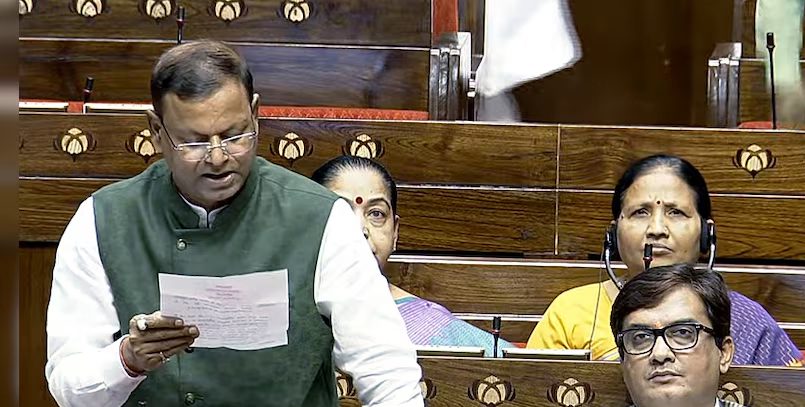
In a written reply to the Lok Sabha on Monday, Union Minister of State for Finance Pankaj Chaudhary revealed that the Reserve Bank of India (RBI) has canceled the licenses of 58 Urban Co-operative Banks (UCBs) since 2020.
This move follows the implementation of the Banking Regulation (Amendment) Act, 2020, which has significantly strengthened the RBI’s authority over cooperative banks. The amendments, effective from June 26, 2020, have introduced stricter regulations concerning management, audits, capital requirements, and bank reconstruction or amalgamation.
Governance and management provisions under Sections 10, 10A, 10B, 35B, and 36AB of the Banking Regulation Act are now applicable to cooperative banks, enhancing regulatory oversight.
To safeguard depositors, the Deposit Insurance and Credit Guarantee Corporation (DICGC) Act ensures an insurance cover of Rs 5 lakh per depositor for all types of bank deposits, including savings, fixed, current, and recurring accounts.
The insurance limit was raised from Rs 1 lakh to Rs 5 lakh, effective February 4, 2020, with future revisions subject to DICGC’s financial position and the interests of the banking system.
In a parallel development on Monday, RBI has imposed monetary penalties on five cooperative banks for non-compliance with regulatory norms. The Gurdaspur Central Cooperative Bank in Punjab was fined Rs 1 lakh for violating provisions under Section 20 read with Section 56 of the Banking Regulation Act, 1949.
The Baramulla Central Cooperative Bank in Jammu & Kashmir faced a penalty of Rs 5 lakh for failing to comply with RBI directives prohibiting the acceptance of fresh deposits. Similarly, the Anantnag Central Cooperative Bank, also in Jammu & Kashmir, was fined Rs 1 lakh for violating RBI’s directive on deposit acceptance.
The Jogindra Central Cooperative Bank in Himachal Pradesh was penalized Rs 1 lakh for contravening Section 20 read with Section 56 of the Banking Regulation Act. Additionally, Janata Sahakari Bank in Gondia, Maharashtra, was fined Rs 1.5 lakh for violating Section 26A read with Section 56 of the Act.
These penalties were imposed under Section 47A(1)(c), read with Sections 46(4)(i) and 56 of the Banking Regulation Act, 1949, reflecting the RBI’s stringent approach toward ensuring compliance in the cooperative banking sector. The crackdown highlights the central bank’s continued efforts to strengthen financial stability and protect depositors amid growing concerns over the governance of cooperative banks.
















































Dual regulation have ended in June 2020. If RBI would have supervised and taken prompt corrective actions , there was no need to liquidation of co- operative banks.
This scenerio have resulted in loss of confidence in co – oparative banking.
SrinivasaDas Congratulations Feedback thank you sir