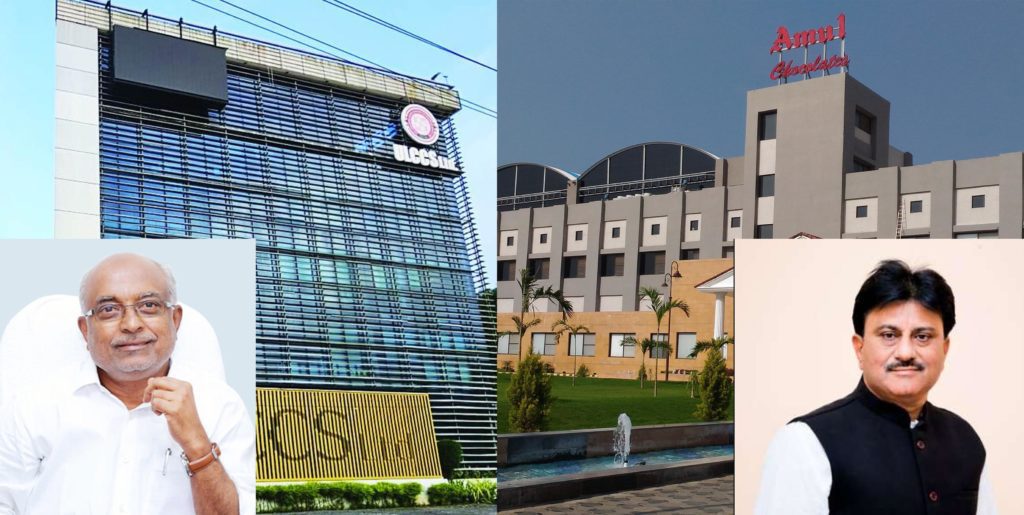
In a landmark global recognition, Kerala’s century-old Uralungal Labour Contract Co-operative Society (ULCCS) has been designated as a Global Cooperative Cultural Heritage Site by the International Co-operative Alliance (ICA). ULCCS shares this rare honour with the Dr. Verghese Kurien Museum of Amul in Gujarat, cementing the country’s proud legacy in the cooperative movement.
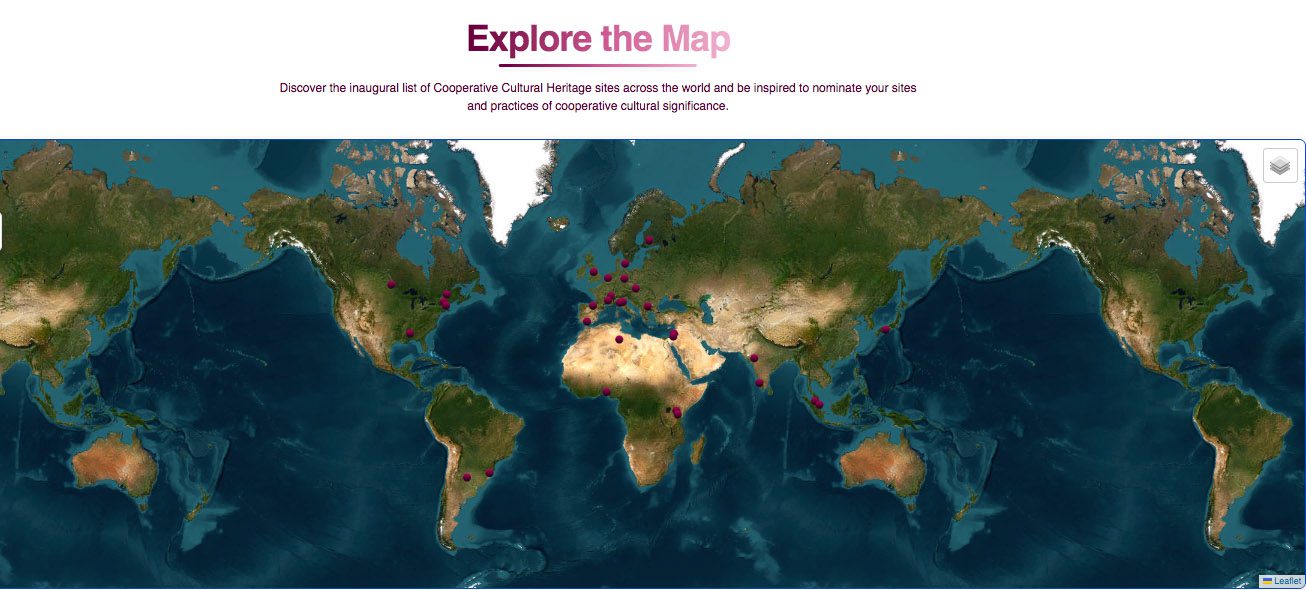
The announcement was made at a high-profile ceremony held at the iconic Itamaraty Palace in Brasília on 13 November 2025, placing ULCCS on the world’s first-ever map of cooperative cultural heritage sites. The map features 31 founding sites across 25 countries, of which only seven are from Asia.
The heritage platform, formally launched by the ICA, is a global initiative to document, safeguard, and celebrate cultural and historical contributions of cooperatives to communities worldwide. Each selected site reflects authenticity, community participation, and a sustained cooperative mission.
Founded in 1925 by social reformers in a rural pocket of Kerala’s Malabar region, ULCCS has grown into one of the world’s most respected labour cooperatives. Today it provides direct employment to over 18,000 people and records an annual turnover exceeding Rs 2,334 crore. Over the past decade, the World Cooperative Monitor has ranked ULCCS as the world’s second-largest cooperative under the Industry and Utilities category for three consecutive years, an extraordinary feat for an organisation rooted in a workers’ collective.
Beyond its infrastructure core, ULCCS has diversified into a wide range of initiatives including UL Cyberpark, the only IT park in the world owned by labourers, UL Technology Solutions, Sargaalaya Arts & Crafts Village, UL Agriculture, UL Education, UL Housing, MatterLab (South India’s largest material testing facility), and multiple skill development and rescue units. The cooperative also runs the Indian Institute of Infrastructure and Construction under the Kerala government’s Labour Department. A string of national awards recognises its contribution in redefining the role of the working class in India’s development narrative.
Introducing ULCCS on the new platform, ICA emphasised that these cultural heritage sites serve as “living classrooms of solidarity.” ICA President Ariel Guarco said the initiative underscores the idea that cooperatives are not just economic enterprises but custodians of collective identity, history, and social transformation. “With this global map, we celebrate cooperation as humanity’s shared heritage,” he said.
The 2025 map includes globally iconic institutions such as the birthplace of modern cooperation in Rochdale (UK), Monumento ao Cooperativismo in Nova Petrópolis (Brazil), Moshi Co-operative University (Tanzania), and the Federation of Southern Cooperatives (USA). ICA Member organisations, the Organisation of Brazilian Cooperatives (OCB) and India’s National Cooperative Development Corporation (NCDC), played a key role in building the platform.
Márcio Lopes de Freitas, President of OCB, described the sites as milestones of global unity: “They show that cooperation is both history and horizon, a cultural force shaping fairer societies.”
Pankaj Bansal, Managing Director of NCDC, said India’s participation reflects its deep cooperative roots, adding that NCDC provided technical support for developing the global platform and documentation process.
The launch also marks the beginning of a global nomination cycle through which cooperatives, federations, researchers, and communities may propose new heritage sites and living traditions. Each nomination will be reviewed against criteria defined in the Charter on the Recognition of Cooperative Cultural Heritage Sites, ensuring authenticity, sustainability, and strong community participation. Approved sites will receive the ICA–CCH Label and be featured on the global map with a formal recognition statement.
Building on this momentum, the ICA announced the 2026 launch of the Intangible Cooperative Heritage List, which will catalogue oral traditions, rituals, and living practices that reflect the spirit of cooperation. This next phase aims to acknowledge cultural narratives that exist beyond physical structures.
The heritage initiative is closely linked to ICA’s contribution to UNESCO’s MONDIACULT 2025 platform, where cooperatives were highlighted as key advocates for cultural rights, diversity, and decent work.
For ULCCS, this global recognition reinforces its evolution from a small rural collective to an international symbol of cooperative excellence. As one of the world’s oldest labour-driven cooperatives, its inclusion signals India’s enduring contribution to the global cooperative story, where shared ownership and collective effort continue to inspire sustainable development models across the world.