





The All India Conference of Principals and Directors of Cooperative Training Institutes (CTIs), organised by the Centre for Professional Excellence in Cooperative (C-PEC) at the Bankers Institute of Rural Development (BIRD), Lucknow, concluded on August 22 with thought-provoking deliberations on the future of India’s cooperative movement.
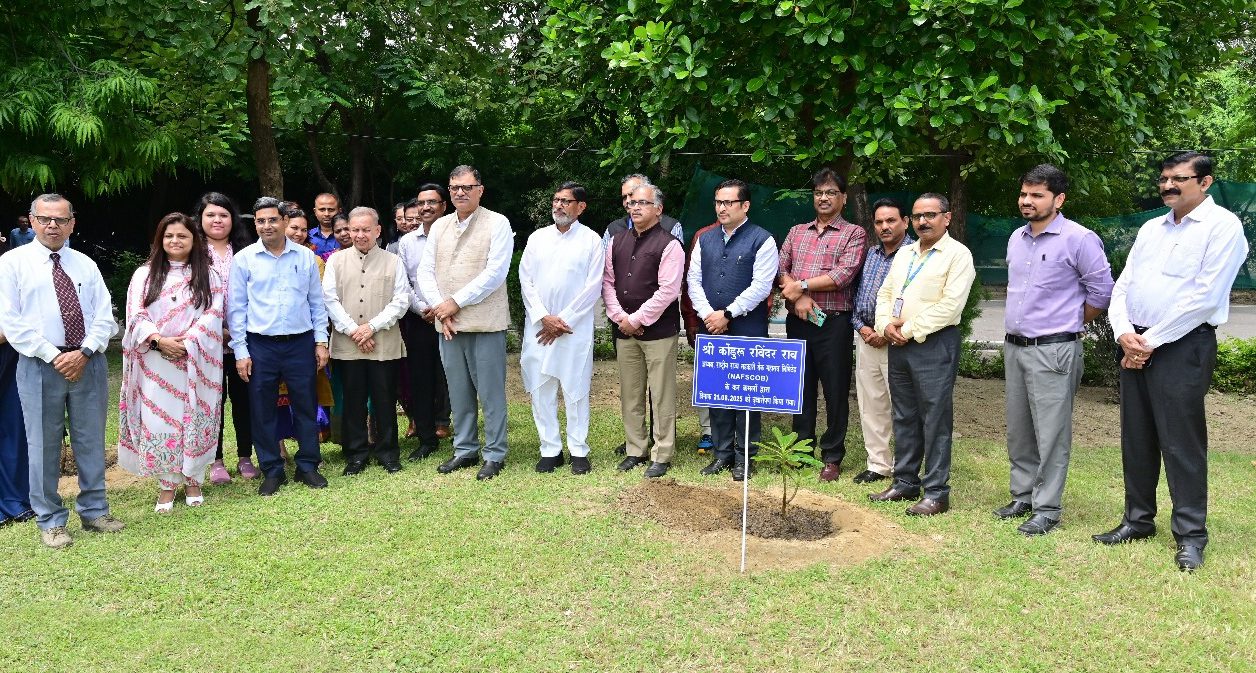
The two-day event, held in the backdrop of the United Nations’ declaration of 2025 as the International Year of Cooperatives, witnessed the participation of CTI heads from across the country along with senior officials from NABARD, BIRD and the Ministry of Cooperation.
The keynote address was delivered by Satish Marathe, veteran cooperator, thought leader and Member of the Central Board, Reserve Bank of India. His address, titled Reimagining Cooperatives in Amrit Kaal, was the highlight of the conference, setting the tone for the deliberations that followed.
Marathe underlined that cooperatives are distinct from other economic entities due to their unique ownership structure and their responsibility to balance economic enterprise with social objectives.
He clarified that while cooperatives must generate a financial surplus, the purpose of this surplus is not profit maximisation but rather to provide adequate returns to members on their risk capital, reinvest in growth, and strengthen the broader cooperative ecosystem.
“Cooperatives stand apart because they create social capital alongside financial capital. This social capital formation is essential in building resilient communities and fostering inclusive growth,” Marathe noted.
He stressed that cooperatives have a bright future if they adapt to the changing needs of society and explore emerging areas beyond their traditional domains. Sectors such as tourism, electricity distribution, water resource management, primary health and transport, he argued, hold significant potential for cooperative expansion in the years to come.
Marathe also touched upon structural challenges, including India’s comparatively low Credit-to-GDP ratio, and highlighted the triad of Capital, Technology and Governance outlined in the New National Cooperative Policy as the three pillars for sustainable cooperative growth. He urged training institutions to prepare a new generation of cooperative leaders equipped with these competencies.
Earlier, Dr. Nirupam Mehrotra, Director of BIRD, in his welcome address stressed the vital role of CTIs in imparting professional training and practice-oriented governance at the grassroots level. He emphasised the sixth pillar of the New National Cooperative Policy, which calls for standardised, high-quality cooperative-focused courses and the creation of authoritative content to shape young minds for cooperative growth.
Other speakers included K. Ravinder Rao, Chairman of NAFSCOB, who shared the success story of the Karimnagar District Central Cooperative Bank, and Ms. Minu Shukla Pathak, Secretary, NCCT, who called for synergy between training institutions like VAMNICOM, BIRD and CTIs to achieve the goals of Sahkar se Samriddhi.
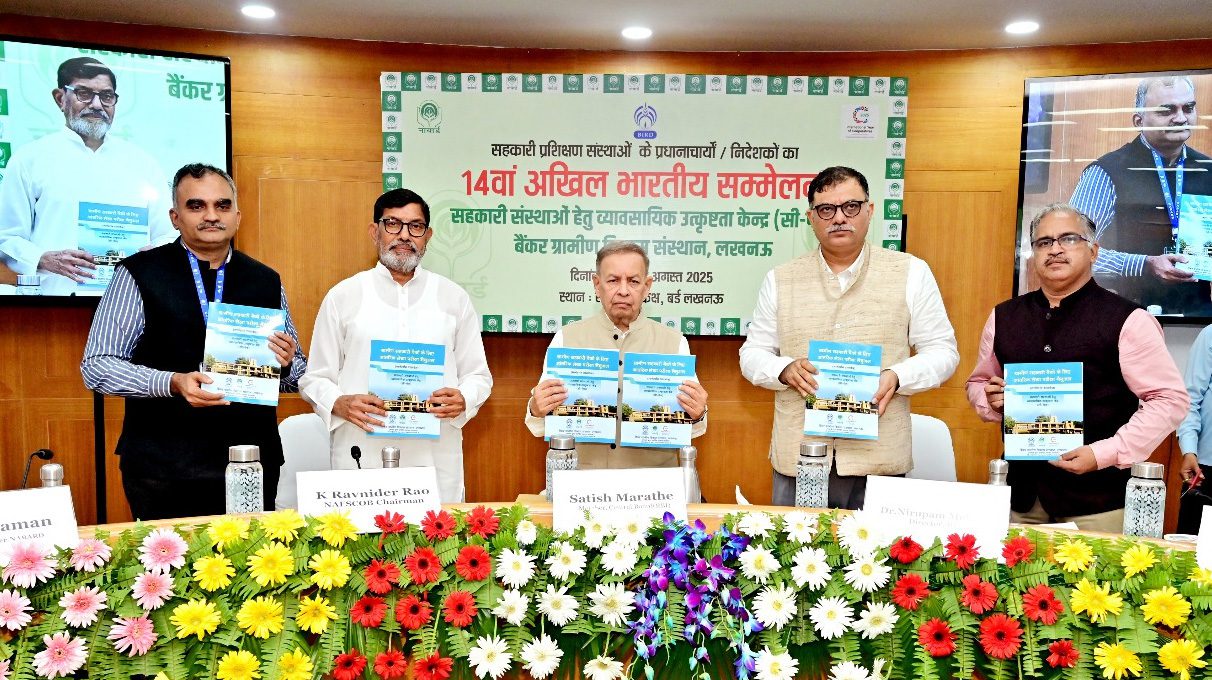
The conference also featured a panel discussion on strengthening governance in cooperatives, recognition of seven CTIs for their outstanding success stories, and the unveiling of the Hindi version of the Internal Audit Manual for Rural Cooperative Banks. On the second day, participants visited the Hazipur Barsendi PACS in Ayodhya district to study its operations and best practices.
By emphasising surplus generation for reinvestment, social capital formation, and venturing into emerging sectors, Marathe’s keynote has provided a blueprint for India’s cooperative movement to remain relevant and vibrant in Amrit Kaal.