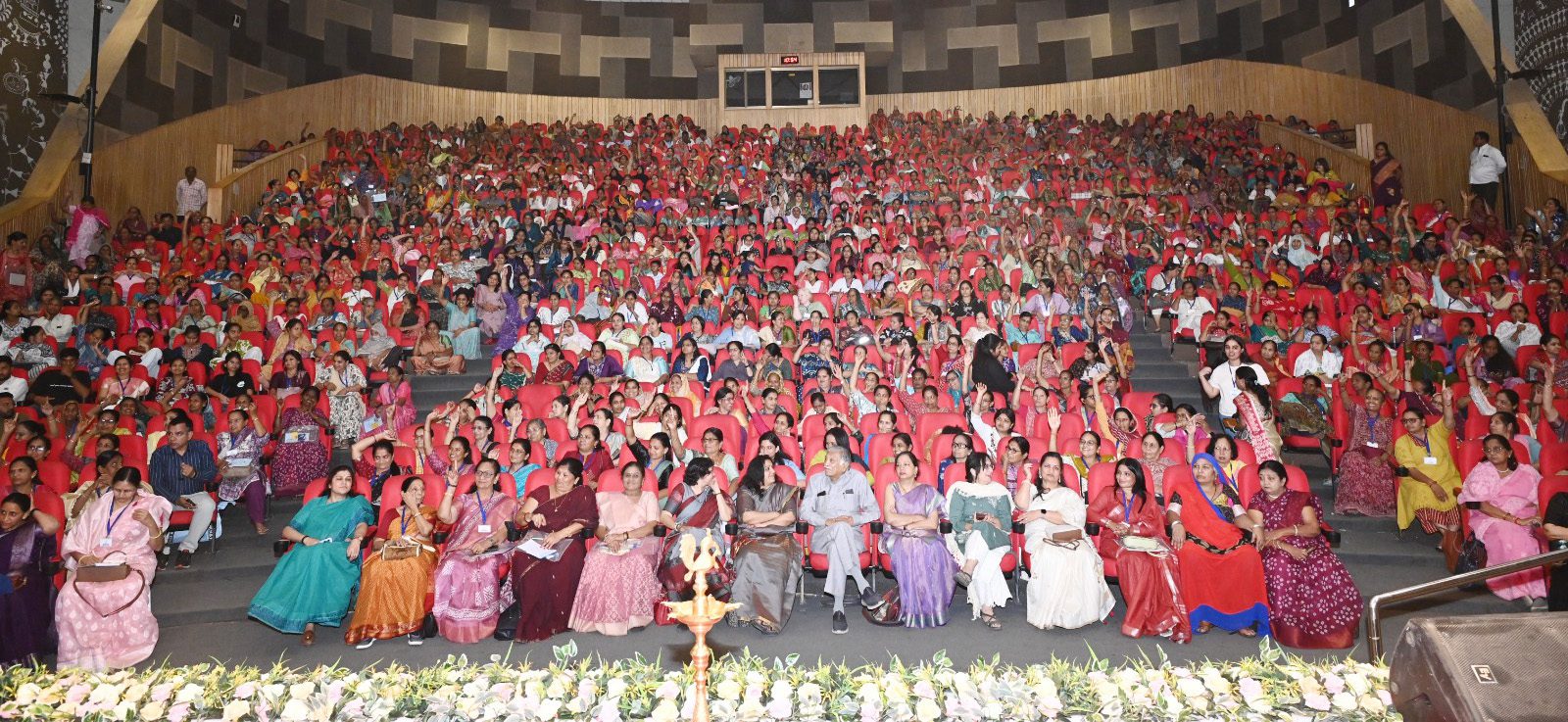






A State-level seminar on women’s empowerment through cooperatives brought together nearly 1,000 participants in Ahmedabad, highlighting the growing role of women in driving inclusive economic growth and contributing to the vision of Atmanirbhar Bharat.
Organised by the Gujarat State Cooperative Union on the occasion of International Women’s Day, the “State Level Women Cooperative Seminar – 2026” focused on strengthening women’s participation in the cooperative movement.
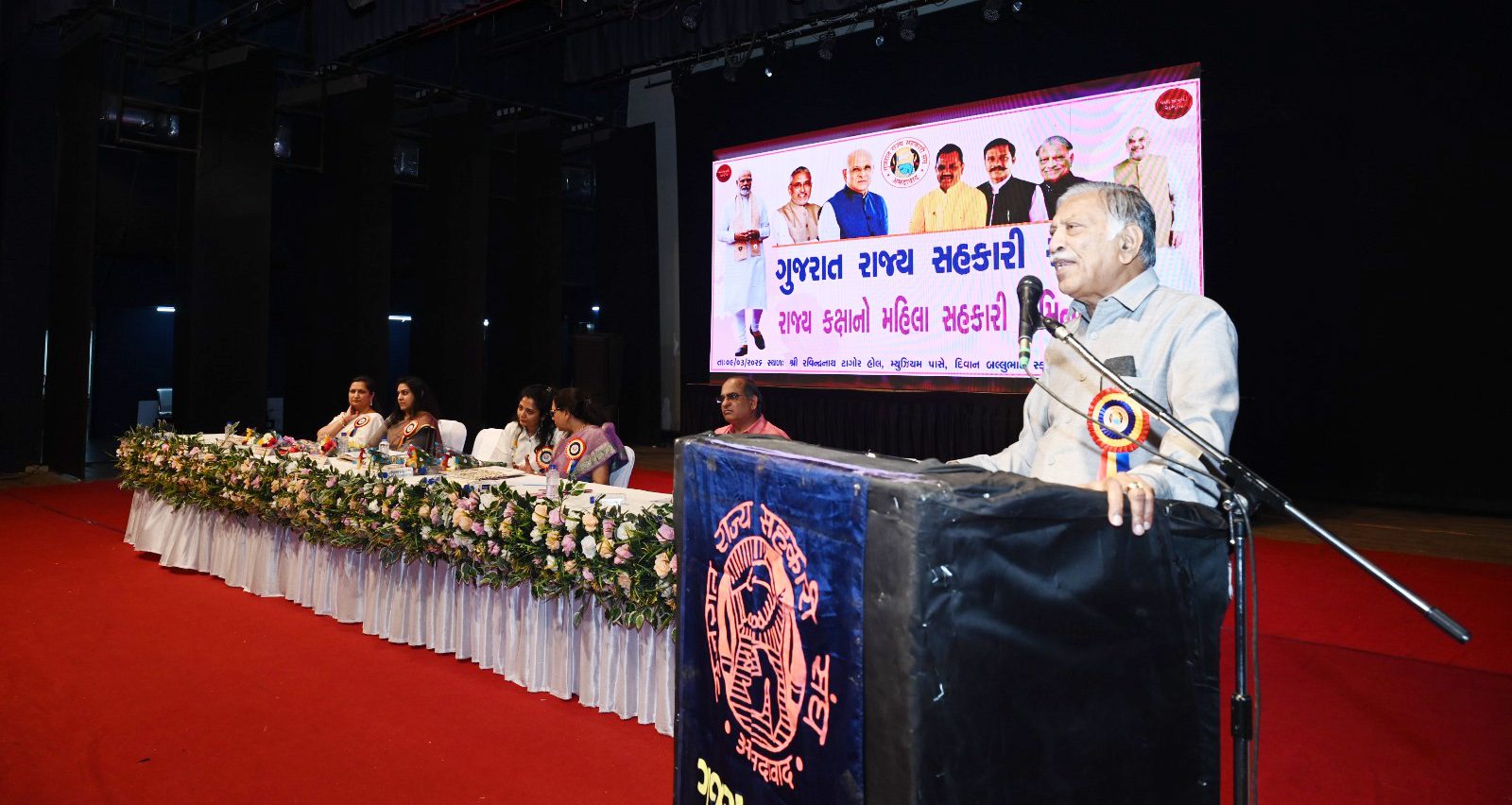
Held at the Rabindranath Tagore Hall in Paldi, the seminar was chaired by Ghanshyam Amin, who emphasised that cooperatives provide one of the most effective pathways for women to achieve dignity, equality, and economic independence. He underlined that empowering women with meaningful social and economic status is best accomplished through collective action within cooperative institutions.
According to him, the cooperative movement, now active in over 100 countries, continues to expand as a model for inclusive development, offering women equal opportunities to participate and lead.
Inaugurating the seminar, Pratibha Jain highlighted the importance of awareness and participation in government-backed cooperative schemes aimed at prosperity and self-reliance. She noted that women today are no longer confined to traditional roles but are emerging as leaders across sectors, overcoming barriers with determination.
 She urged participants to understand and disseminate information about “Prosperity through Cooperation” initiatives, stressing that economic empowerment through cooperatives can significantly improve livelihoods and generate employment opportunities for women at the grassroots level.
Delivering the keynote address, Amin traced the historical evolution of International Women’s Day, linking it to early 20th-century labour movements and the global push for women’s rights.
He noted that the observance, formally recognised by the United Nations in the 1970s, continues to serve as a platform for advocating gender equality and encouraging women’s active participation in socio-economic development. He reiterated that cooperatives uniquely combine economic benefits with social empowerment, enabling women to build collective strength while addressing individual challenges.
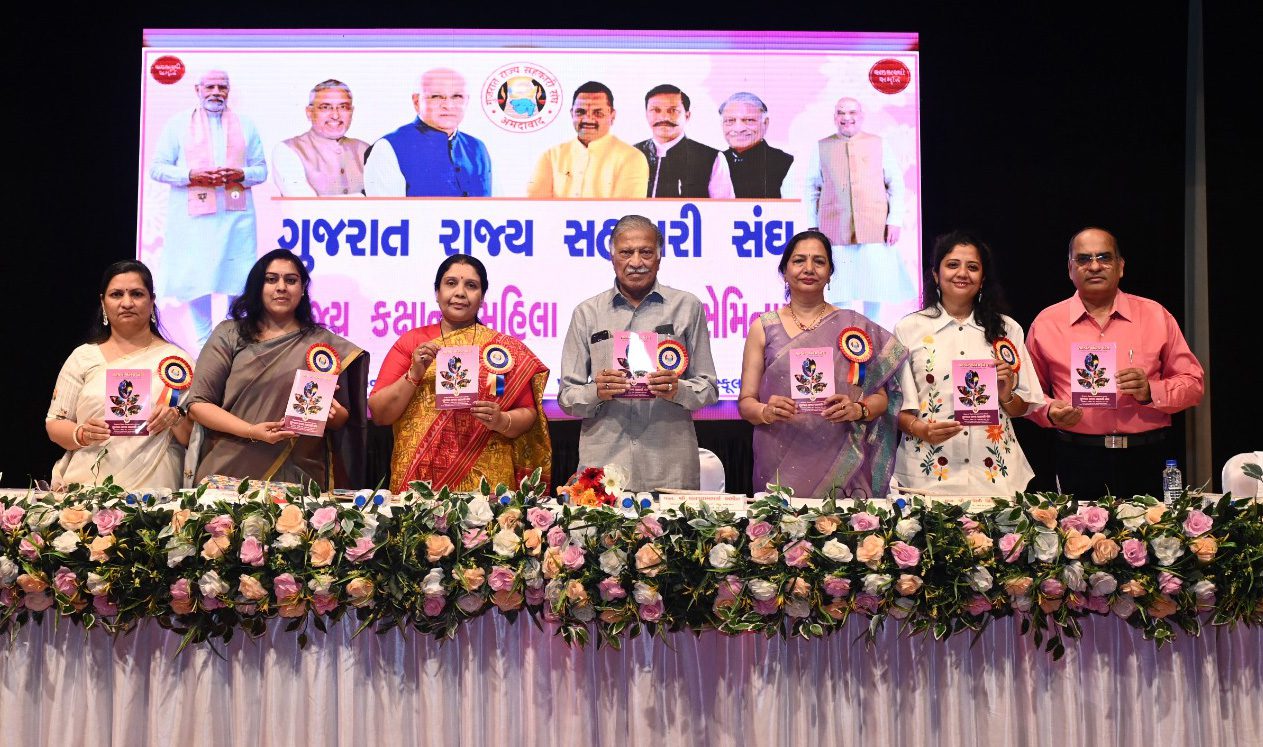
As Chief Guest, Savitri Singh released a booklet titled “Sahkar Se Mahila Uday” and stressed that true empowerment stems from awareness of rights and self-confidence, not merely financial gains or education.
She praised the Gujarat cooperative sector for consistently promoting women’s leadership and described the annual seminar as a model initiative for the rest of the country. She also commended Amin’s leadership for nurturing talent and encouraging women to take on greater responsibilities within cooperative institutions.
Another Guest, Jalpa Jain, called for increased representation of women in cooperatives and emphasised the need for financial literacy and digital awareness. She encouraged women to actively engage in cooperative governance and decision-making processes, noting that knowledge of modern tools and systems is essential for sustained empowerment.
Special Guest Jigisha Mehta highlighted the pioneering work of the Self Employed Women’s Association in promoting women-led cooperatives, sharing examples of how collective enterprises have improved income security and social standing for women workers. Other speakers, including representatives from dairy cooperatives and government departments, discussed employment generation, access to schemes, and legal awareness, particularly in areas such as consumer rights and protection against domestic violence.
The seminar also recognised grassroots achievements, honouring women entrepreneurs and cooperative members for their contributions to economic empowerment. Their success stories reflected how small financial support, when combined with cooperative structures, can lead to sustainable livelihoods and upward mobility for families.
With participation from women across diverse cooperative sectors, including dairy, credit societies, and self-help groups, the event reinforced the importance of collective enterprise in achieving gender equity. Speakers consistently highlighted that cooperatives not only enhance income but also build confidence, leadership, and community resilience among women.
The programme concluded with a call for expanding women-led cooperatives and strengthening institutional support systems to ensure that more women can benefit from the movement. The large turnout and active engagement reflected a growing recognition that women’s empowerment through cooperatives is central to building a more inclusive and self-reliant economy.