





Primary Agricultural Credit Societies (PACS), the backbone of India’s rural cooperative credit structure, now cover more than 93% of the country’s Gram Panchayats (GPs), according to the National Cooperative Database (NCD). Out of 2,69,230 GPs, 2,51,872 are covered by PACS as of June 30, 2025, leaving 17,358 still uncovered.
The government’s larger vision, however, goes beyond PACS alone. The NCD shows a much wider gap in other sectors: 1,84,387 GPs remain without dairy cooperatives, while 2,39,710 lack fishery cooperative societies.
Recognizing this, the Centre in February 2023 approved a plan to establish two lakh multipurpose cooperative societies, including PACS, dairy, and fishery cooperatives, to reach every panchayat and village.
Since January 2021, 7,768 new PACS have been established across states and Union Territories. Rajasthan leads with 1,968 new societies, followed by Odisha (1,540), Gujarat (641), Uttar Pradesh (552), and Uttarakhand (550).
Northeastern states also saw notable additions: Meghalaya (276), Assam (254), Arunachal Pradesh (127), and Tripura (202). However, some regions show limited progress, Kerala added only three PACS, Punjab nine, and Telangana nine, while Union Territories like Chandigarh, Lakshadweep, and Delhi reported none.
The Ministry of Cooperation, working with NABARD, NDDB, NFDB, and state governments, has launched a Standard Operating Procedure (Margdarshika) to guide this expansion. Released in September 2024, it directs stakeholders to identify uncovered and underserved areas, particularly in northern and eastern India, where cooperative penetration remains uneven.
To ensure effective rollout, a multi-layered monitoring system has been set up. At the top, an Inter-Ministerial Committee chaired by the Cooperation Minister provides policy oversight, while a National Level Coordination Committee under the Secretary, Cooperation Ministry, manages implementation across departments.
At state and district levels, Cooperative Development Committees headed by Chief Secretaries and District Collectors, respectively, supervise progress. States have also formed Joint Working Committees at the district level for local execution.
The expansion drive reflects the government’s effort to integrate PACS with other schemes like the National Programme for Dairy Development and PM Matsya Sampada Yojana. The aim is to transform PACS into multipurpose entities providing not only credit but also dairy, fishery, and other rural services.
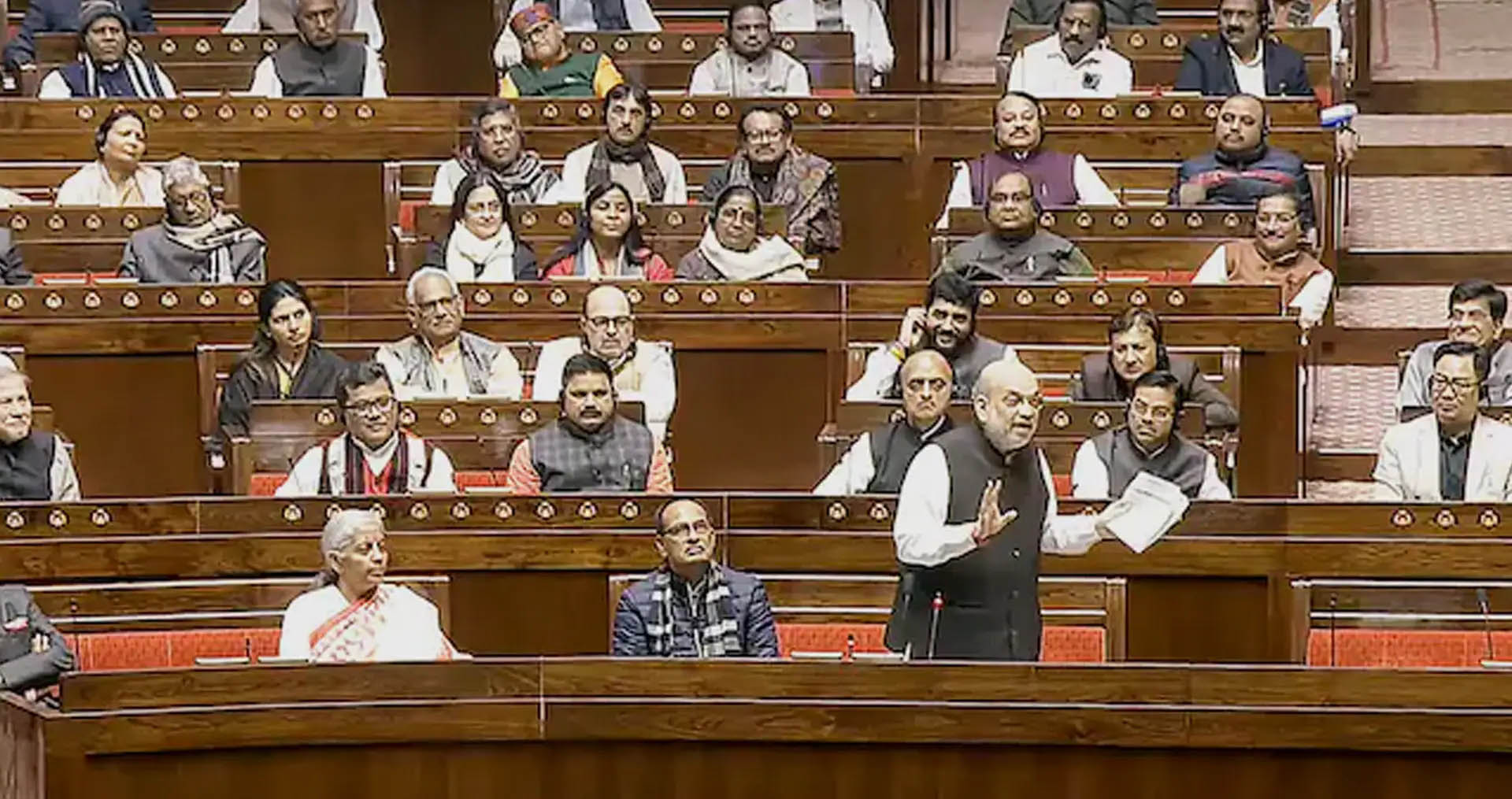
Minister of Cooperation Amit Shah, in a written reply to the Rajya Sabha, emphasized that the initiative would deepen the cooperative movement, bring equitable access to financial and livelihood resources, and empower rural households.
With more than 93% coverage already achieved, the challenge now lies in bridging the gaps in the remaining 17,000 Panchayats and accelerating the spread of dairy and fishery cooperatives.