
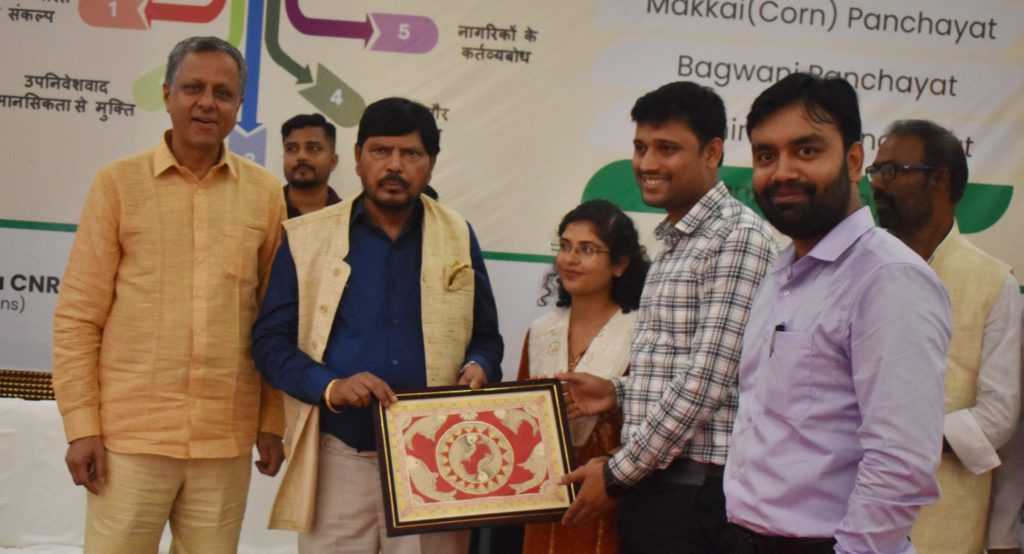
A new chapter in India’s cooperative movement was written in the cultural heart of Mithila at Mithila Haat, Madhubani, where Union Minister Ramdas Athawale launched five multistate cooperatives with over 50% representation from SC, ST, OBC, women, and minority groups.
This landmark event marked the rise of a grassroots model for inclusive development, led by the World Cooperation Economic Forum (WCOOPEF) and its founder, Binod Anand. Calling the initiative a “people’s movement,” Anand emphasized that empowerment must go beyond price support (MSP). “Real justice happens when farmers become shareholders, women become leaders, and youth become the drivers of change,” he said.
Each of the five cooperatives addresses a major development gap:
Har Khet Ko Pani Cooperative tackles the challenge of rainfed farming by promoting community-based watershed development, micro-irrigation, and equitable water access, furthering the LiFE movement and water sustainability.
Biofuel Maize Cooperative helps maize farmers in Bihar, who typically earn just a fraction of the market value, join the ethanol economy through aggregation, processing, and carbon credit trading. This supports India’s 20% Ethanol Blending Program and aligns with global biofuel trends.
Mithila Makhana Mahila Cooperative transforms women’s roles in the Makhana value chain. It empowers SHGs to lead processing, branding, and export of the GI-tagged superfood, tapping into a global market estimated at $1.5 billion.
Horticulture Export Corridor Cooperative supports small farmers in the fruits and vegetables sector. With less than 2% of India’s produce reaching international markets, this cooperative builds cold chains, processing units, and export clusters, especially benefiting Eastern India.
Gramin Urja Cooperative promotes decentralized clean energy in rural areas. It turns villages into producers and consumers of solar, biogas, and compressed biogas energy, contributing to the global energy transition from SDGs to ESGs.
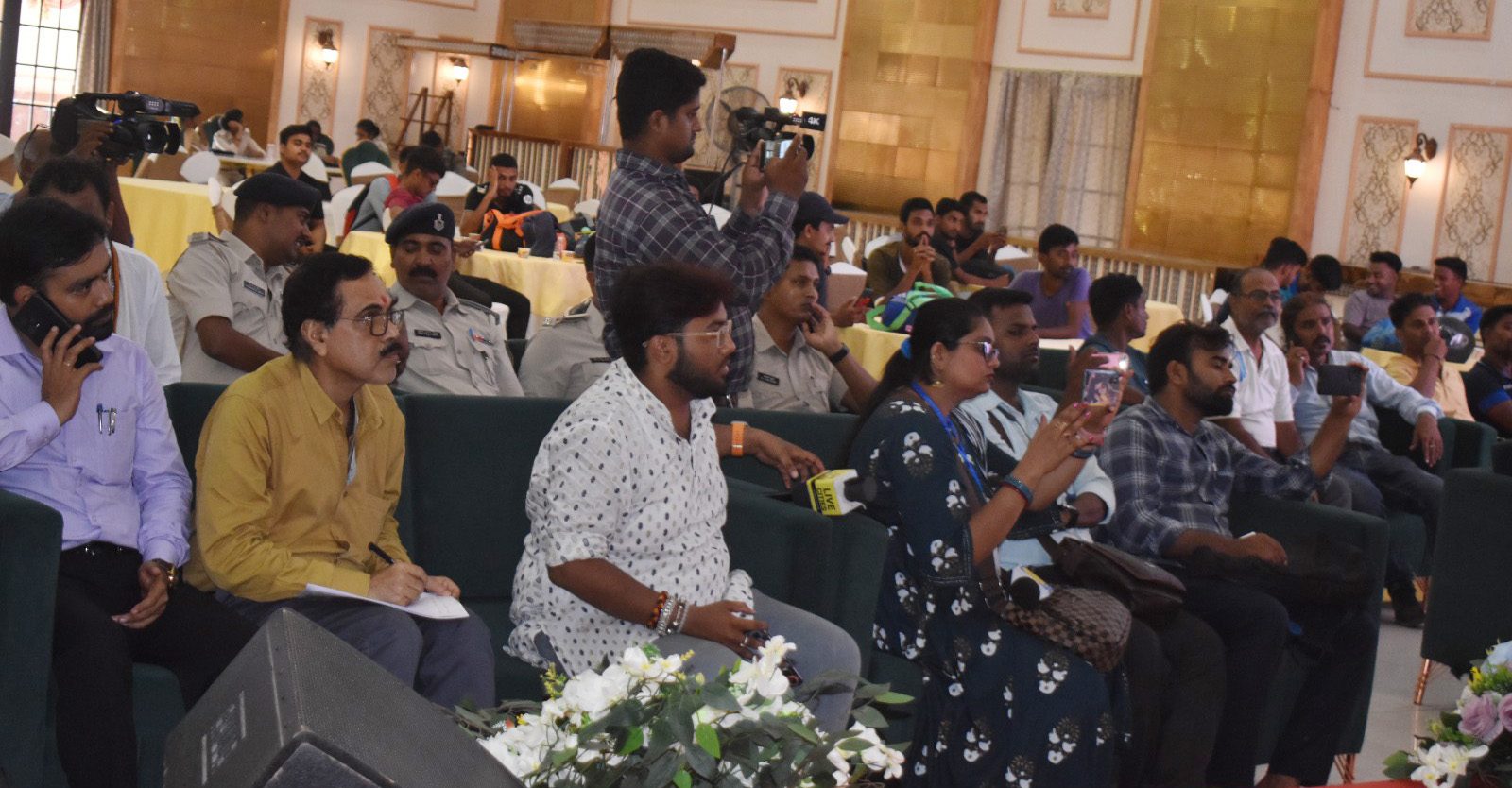

The gathering culminated in five sector-specific Panchayats, serving as grassroots policy platforms. These discussions lay the foundation for a Cooperative Economic Zone with federated clusters, innovation hubs, and integrated regional planning.
“This isn’t just a development model, it’s a constitutional duty,” said Anand. “It’s not charity, but justice, equality, and dignity in action.” What began in Mithila is now a national template for Viksit Bharat@2047—where the village does not follow the nation but leads it.