




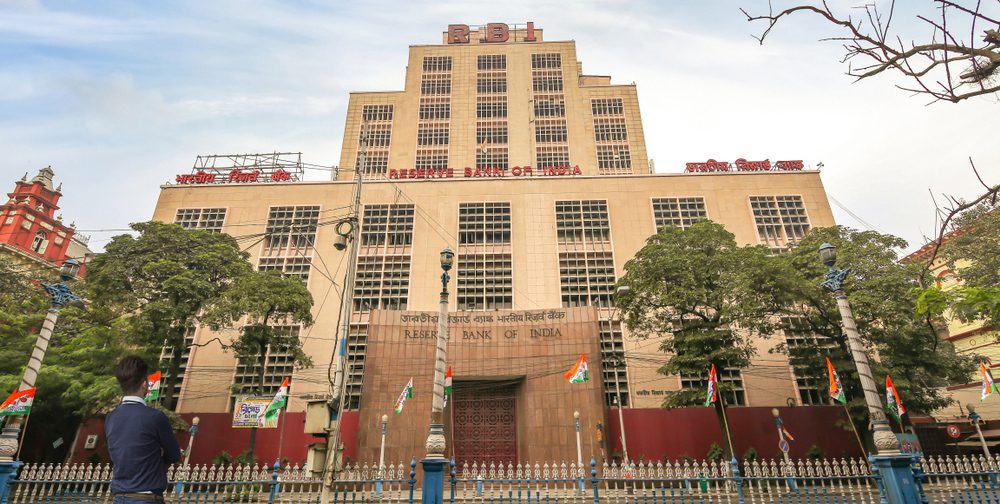
The Reserve Bank of India has urged Urban Co-operative Banks (UCBs) to directly submit their concerns on the Daksh portal, following a representation by the Maharashtra Urban Co-operative Banks’ Federation seeking relief from mounting valuation stress in government securities.
In a brief but significant response, RBI stated, “Thank you for the inputs. Request that you may request the UCBs to also submit inputs on RBI’s Daksh portal.” The move indicates that the central bank is keen to gather granular, bank-level feedback before taking a regulatory call.
The federation had flagged that rising yields in the Government Securities (G-Sec) market have triggered mark-to-market (MTM) losses in Statutory Liquidity Ratio (SLR) portfolios under the Available for Sale (AFS) category. This, it warned, could weigh on UCBs’ FY26 financials, impacting profitability, capital adequacy, and ratings.
Invoking COVID-era regulatory relief, the federation has requested a one-time permission to shift investments from AFS to the Held to Maturity (HTM) category at book value. Such a dispensation, it argued, would shield banks from volatility and help stabilise balance sheets.
The RBI’s response signals a consultative approach, with a potential policy review hinging on broader industry inputs.
Rising bond yields have translated into substantial valuation losses for UCBs, with sources telling Indian Cooperative that data from Maharashtra points to a sharp erosion in profitability due to investment depreciation provisioning.
Indicative estimates suggest that a group of UCBs in the state, with combined pre-provision profits in the range of Rs 450-470 crore, may be required to make provisions of around Rs 350-380 crore on their government securities portfolio, potentially eroding a significant portion of their earnings.
For several smaller and mid-sized banks, these losses could even push net results into negative territory, underscoring the severity of stress in their SLR investment books.